Staying active and independent as we age can make a huge difference in everyday life. Functional mobility—our ability to move around safely and easily while performing common daily activities—is an area where many older adults look for support. Dynamic functional mobility workshops are designed specifically for aging populations to help improve balance, coordination, strength, and confidence through practical, real-world movements. In this article, I’ll share why these workshops matter, what to expect, and tips for choosing or leading a workshop that offers real value for older adults.
Why Functional Mobility Matters as We Age
Mobility isn’t just about getting from point A to point B, it covers everything from standing up after sitting, walking up stairs, picking objects off the floor, and steadying ourselves if we trip. Functional mobility focuses on these practical movement patterns that help people live independently and avoid injury.
As I’ve seen in different community and healthcare settings, mobility limitations tend to increase with age. According to the Centers for Disease Control and Prevention (CDC), one in four Americans aged 65 and older fall each year. Reduced mobility often leads to a loss of independence, lower self-esteem, and higher medical costs from injuries like hip fractures. Regular movement practice and strength exercises can help many people avoid this decline.
Dynamic functional mobility workshops help attendees build skills in a supportive group environment. They mix strength, flexibility, and balance work, and often include cognitive challenges, all of which can help older adults adapt to daily tasks with more ease and safety. The group setting creates a sense of camaraderie, offering opportunities to share tips and provide encouragement to one another, building interpersonal bonds that extend beyond the workshop.
Maintaining strong functional mobility allows older adults to keep doing what they love as they age, whether it’s gardening, playing with grandchildren, or traveling. The confidence gained by attending workshops leads to more willingness to get out, try new things, and stay socially connected—an important piece of healthy aging that’s often overlooked.
What to Expect in a Dynamic Functional Mobility Workshop
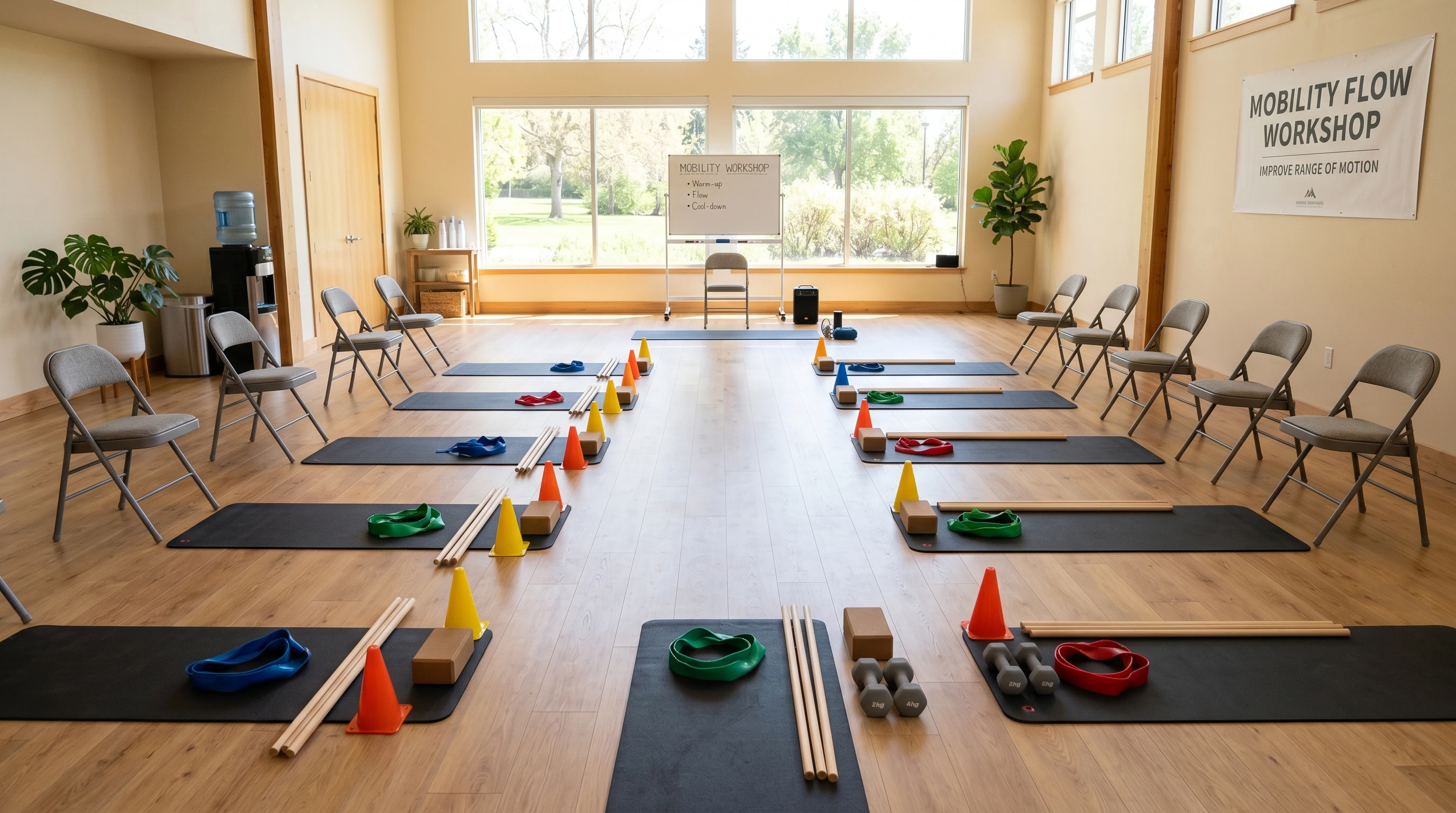
Functional mobility workshops provide hands-on experiences. Unlike traditional exercise classes that mostly focus on individual muscles or repetitive aerobic exercise, these workshops use whole body movements based on real-life needs. Here’s what a typical workshop might include:
- Warm-Up Activities: Gentle range of motion exercises to prepare the body for movement.
- Balance Drills: Standing on one leg, stepping in different directions, or using gentle obstacles helps challenge balance in safe ways.
- Strength Building: Bodyweight moves like sittostand from a chair, wall pushups, and functional squats help maintain everyday power.
- Gait Training: Walking over different surfaces or practicing turns helps with confidence and control.
- Scenario Practice: Simulated real-life situations, such as picking up objects or reaching overhead, promote practical skills.
- Coordination Exercises: Using balls, resistance bands, or cones, workshops often add handeye tasks to keep both body and mind sharp.
Sessions usually last from 45 to 60 minutes and are led by trained professionals, often physical therapists or certified fitness instructors experienced in senior care. Most workshops focus on safety and group support, making it easier for people to try new movements without fear or embarrassment.
Getting Started: How to Join or Launch a Workshop
Whether you’re looking to attend or organize a dynamic functional mobility workshop, getting started is easier than you might think. Local community centers, retirement organizations, and hospitals often offer these sessions as part of their wellness programs.
For those looking to start a workshop, here are some steps I’ve found helpful based on my work with older adults:
- Assess Your Group’s Needs: Ask participants about their movement challenges, daily activities, and comfort levels.
- Find Qualified Instructors: Seek leaders who have experience in senior fitness or rehabilitation. A credentialed physical therapist or geriatric exercise specialist often brings extra value.
- Secure a Safe, Accessible Space: Make sure there is adequate lighting, nonslip floors, and sturdy furniture available for balance support.
- Gather Simple Equipment: Chairs, resistance bands, small weights, and cones are helpful but not strictly required. Even a workshop without equipment can be effective if structured well.
- Promote the Event: Use flyers, community boards, and wordofmouth to track down neighbors and friends in the area who might benefit.
Starting small is perfectly fine. Even a group of five to ten people can create a lively, supportive environment. If inperson isn’t possible, virtual workshops can be a solution—consider video conferencing platforms to help people participate safely from home.

Common Challenges and How to Handle Them
I often hear concerns about physical limitations or fear of embarrassment when joining a movement class. These feelings are common and absolutely valid. Here are a few hurdles that may show up along with some practical ideas for addressing them:
- Fear of Falling: Reinforcing a no-pressure, supportive environment helps people take small steps at first. Having chairs or support bars available provides extra assurance.
- Health Conditions: Chronic illnesses like arthritis or heart disease should be factored in. Instructors can offer modifications and encourage everyone to work at their own pace.
- Motivation: Setting group goals, tracking progress, and celebrating small wins can help attendees stay involved over time.
- Access or Transportation: Partnering with local transport services or hosting workshops in places already visited by older adults, like senior centers, makes things more doable.
Fear of Falling
This concern is especially common. I focus on offering gradual progressions, such as starting seated or holding onto stable surfaces while practicing balance. As confidence grows, many people find they can try more challenging tasks. Consistent encouragement, and a nonjudgmental setting, help break through fear.
Chronic Conditions
Adapting exercises for various physical abilities isn’t as tough as it seems. Giving options, such as seated variations or using lighter resistance, means everyone gets a workout without feeling left out or at risk. Working with healthcare providers to screen participants beforehand adds another layer of safety.
Motivation and Engagement
Keeping things fresh by rotating exercises and occasionally adding a social component—like group coffee after class—can make workshops more than just physical activity. People are much more likely to keep coming back if they enjoy the social connections as well as the movement. Adding friendly challenges or rewarding consistent attendance with small prizes adds a fun twist and keeps spirits high.
Taking Your Mobility Skills Further: Advanced Tips
Once the basics have been established, there are plenty of ways to add challenge and keep things interesting in functional mobility workshops.
Changing the Environment: Practice movements in different settings, like outdoors or on various floor surfaces, to mimic reallife challenges.
Adding Cognitive Tasks: Layering in memory games or dualtask activities, such as walking while reciting days of the week, helps train both mind and body together.
Increased Resistance: Integrate small weights or resistance bands for extra strength training once basic moves feel comfortable.
Progressive Balance Drills: Try tandem walking (heel to toe walking), gentle obstacle courses, or carrying objects while moving for extra coordination and confidence. Incorporating music or rhythmic cues can further support timing, balance, and enjoyment.
These ideas can be added gradually, always letting each person advance at their own pace. The main thing is keeping sessions interesting, enjoyable, and relevant to everyday life so everyone feels motivated to come back week after week.
Practical Benefits of Functional Mobility Workshops
In daily life, the abilities built in functional mobility workshops quickly turn into more independence and safety. From my experience, participants often report feeling stronger, standing taller, and having more energy to tackle shopping, gardening, or daily walks. The mental benefits are just as strong—participants tell me they feel more confident and optimistic about staying active as they age.
- Fall Prevention: Improved balance and awareness reduce the risk of trips and falls, which are one of the most common causes of injury for older adults.
- Better Independence: Making daily activities easier means people can stay in their homes longer and keep up the hobbies they love.
- Improved Mood: Regular movement in a group setting can help ease isolation and boost overall mood and confidence.
For example, someone struggling to stand from a low chair may find that, after just a few weeks of practice, this simple task becomes much less daunting. This sort of progress not only brings physical rewards but also a real psychological lift and a higher sense of selfreliance.
Other perks include improved sleep, better appetite, and a sharper mind. For many people, workshops also provide a safe space to ask questions and share concerns about aging and mobility with peers and trusted instructors.
Frequently Asked Questions
Below are a few common questions that show up about dynamic functional mobility workshops:
Question: How is a functional mobility workshop different from a standard fitness class?
Answer: Functional mobility workshops focus on practical, whole body movements that mimic daily life tasks, while standard fitness classes might concentrate on cardio or isolated muscle strength. The mobility approach offers more practical value for everyday living.
Question: What should I wear or bring to a workshop?
Answer: Comfortable movementfriendly clothing and supportive shoes are pretty much all that’s needed. Sometimes, a water bottle or towel comes in handy. Equipment like resistance bands or small weights is usually provided by the organizer.
Question: Can these workshops help people with existing health conditions?
Answer: Yes, most exercises are modifiable for various abilities and health levels. Checking with a doctor before starting is always a good idea. Trained instructors can help adapt movements as needed, and it’s always smart to mention any concerns at the start of a session.
Question: What if I have trouble keeping up?
Answer: Every workshop encourages participants to work at their own pace and offers plenty of variations. The goal isn’t to be perfect but to keep moving in a way that feels safe and comfortable. If you’re unsure, the instructor can suggest modifications that work best for you.
Final Thoughts
Dynamic functional mobility workshops provide hands-on, practical help for older adults looking to move better and feel more independent. Whether you join as a participant or help lead a group, these sessions nurture stronger, more confident movement that shows up in every part of your daily life. Building functional mobility offers a smart investment in both present wellbeing and future independence, and the group element adds social connection and extra motivation. With supportive leadership, simple gear, and a welcoming spirit, anyone can get started on the road to better movement, confidence, and a higher quality of life.