

Improving joint flexibility has changed the way I feel and move every day. Yoga, in particular, has played a major role in keeping my body comfortable and mobile. Whether someone is new to flexibility training or looking to expand their routine, yoga gives practical tools for maintaining healthy joints. I’ve found that regular practice keeps my muscles supple, reduces stiffness, and helps me avoid many of the aches I used to experience in my daily routine. My goal with this article is to explain the basics of using yoga to improve joint flexibility so anyone can get started and see steady progress.
Why Flexibility Matters for Joints
Joints connect bones and allow my body to move. When I don’t stretch or move enough, joints can stiffen and get sore from inactivity or repetitive motions. Flexibility training targets muscles and the tissues around my joints, keeping everything moving smoothly. Many people deal with stiffness or soreness from long hours at a desk, standing at work, or even from intense workouts. Over time, limited range of motion can lead to discomfort and, in some cases, injuries.
Joint flexibility supports everyday activities, from walking to bending and reaching. Keeping my joints supple lowers my chances of strains and makes moving through different activities easier. According to medical sources like the Mayo Clinic, gentle stretching through yoga can support joint health and mobility by improving circulation and increasing the range of motion (Mayo Clinic). If you want to boost energy and keep yourself feeling active as you age, loosening up those joints through yoga is an approachable way to get started and stick with it for the long run.
Getting Started with Yoga for Joint Flexibility
Yoga has many styles, but not all are designed for flexibility. I focus on gentle and accessible poses that encourage movement through all major joints. It’s best to start slow and listen to what my body is telling me, especially if I’m new to stretching or haven’t exercised for some time. I find that even short sessions can make a noticeable difference if I stick with them regularly.
Some popular yoga styles for flexibility include:
- Hatha Yoga: This slowpaced style uses basic poses and stretches, making it easy for beginners to follow.
- Yin Yoga: Poses are held for several minutes, targeting the connective tissues around joints.
- Vinyasa Flow: Although more dynamic, it synchronizes movement with breath, gently encouraging full body flexibility.
I usually start my routine with easy stretches, gradually moving into deeper poses. The key is to avoid pain and never force a position. Instead, I focus on steady, comfortable movement. Props like yoga blocks or folded blankets make many positions more accessible and help support healthy range of motion.
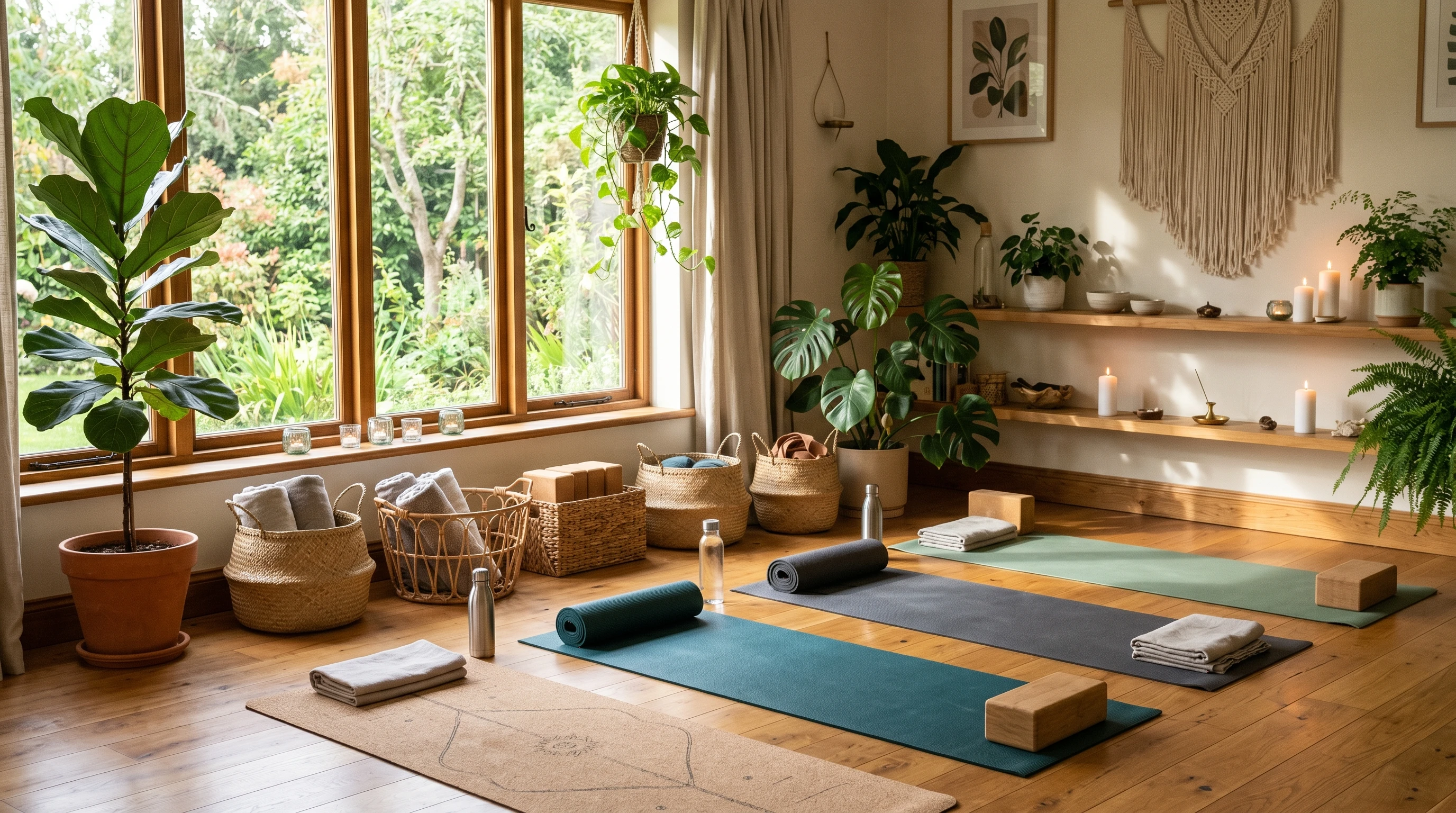
If you’re not sure how to begin, try following short online videos or signing up for a local class designed for beginners or people seeking jointfriendly practices. Surroundings matter, too—a quiet, uncluttered space can help you relax and focus during sessions.

Yoga Poses That Support Joint Flexibility
Not every pose works for every joint, but my favorite routines include a blend that targets most areas of my body. Here are some poses that have helped my flexibility the most:
- Cat-Cow Pose (Marjaryasana/Bitilasana): This flowing movement gently warms up my spine and awakens the joints in my back and shoulders.
- Child’s Pose (Balasana): Stretches the lower back, hips, and knees. I use it to gently open my hips and let my joints settle after longer days.
- DownwardFacing Dog (Adho Mukha Svanasana): Encourages flexibility in my wrists, shoulders, spine, and hamstrings. I avoid locking my knees or elbows and let the stretch feel comfortable.
- Seated Forward Bend (Paschimottanasana): A deep stretch for my hamstrings and lower back. I keep a bend in my knees at first for less strain.
- Happy Baby Pose (Ananda Balasana): Opens up my hips and relaxes my lower back, helping my joints unwind gently.
- Thread the Needle: I use this pose to increase mobility in my shoulders and upper back, which helps fight stiffness from sitting or using computers.
These poses support movement in every part of the body, but I choose just a few for shorter routines. I hold each stretch for at least 30 seconds, breathing steadily and pausing longer if I feel extra stiff. As flexibility builds, expanding your practice with other jointfriendly stretches like gentle twists or low lunges can add variety without overdoing it.
Basic Steps for Making Progress Safely
Safe progress is really important when improving flexibility for joint health. Here are the main things I follow:
- Warm Up Gently: I start with easy movements like rolling my shoulders, circling my wrists and ankles, or a few minutes of light walking to warm up my muscles and joints.
- Move Slowly and Mindfully: Every stretch needs to feel steady and even. Quick, jerky movements increase risk for strains or tweaked joints.
- Use Props When Needed: Blocks, straps, or blankets bring the floor closer or ease tension in tight muscles, which supports healthy alignment.
- Breathe Deeply: I focus on slow inhales through my nose and steady exhales. Breath helps relax my muscles and keeps my nervous system calm.
- Stay Consistent: Even just 10-15 minutes a day makes a difference over weeks or months.
Some days, my flexibility feels a lot better than others. I’ve learned that progress is not always linear. Long-term consistency gives real and lasting results. I avoid comparing one session to the next and focus instead on how I feel overall.
A few tips I’ve picked up: wear comfy clothes that let you move freely. Drink water before and after yoga sessions to help with recovery. And take note if you feel discomfort—using positive selftalk and patience will help you skip setbacks and keep going strong.
What to Watch Out For: Common Challenges
Working on flexibility can have some hurdles. Awareness of these helps me adapt and avoid frustration:
- Tight Muscles or Old Injuries: Past injuries or naturally tight muscles mean I need to approach certain poses more carefully. Using props and adjusting intensity makes a difference in my comfort and safety.
- Time Constraints: Finding time for a regular routine can be tough. Short sessions of 5-10 minutes every day sometimes work better for me than long, infrequent ones.
- Overstretching: Pushing too hard can do more harm than good. Any pain or sharp discomfort means I need to back off immediately. Gentle effort always brings better results.
- Lack of Motivation: Starting small and tracking little improvements, like sitting with less tightness or being able to move more easily in daily life, helps keep me motivated.
Checking with a healthcare provider or a certified yoga instructor gives additional peace of mind if I’m unsure about starting a new routine, especially when dealing with existing health issues or chronic pain. Journaling your feelings about flexibility or joining a group for collective encouragement can help stick with your plan.
How I Stay Motivated for Lasting Flexibility
Staying consistent comes down to a few habits that work well for me:
- I set aside a specific time of day for yoga, like right after waking up or before bed.
- Tracking small wins in a notebook reminds me that my work is adding up, even if the changes are gradual.
- Using online yoga videos or following a guided app adds structure when I’m not sure what routine to follow.
I’ve also learned that yoga is more enjoyable when the environment feels inviting. Lighting a candle, putting on soft music, or using a comfortable mat makes me look forward to stretching each day. Sometimes, inviting a friend to join or sharing progress with an online group can add another layer of accountability and fun.
Practical Benefits of Flexible Joints in Everyday Life
Flexible joints play a key role in everyday activities. Carrying groceries, reaching high shelves, tying shoes, or getting up from the floor all rely on healthy movement. Before yoga, I sometimes experienced aches after standing for long hours or trouble getting comfortable when sitting. Now, I notice smoother transitions between movements and less tension in my body.
Improved flexibility can even help with posture. When I sit at my desk, flexible hips and shoulders make it easier to sit up straight. Consistent stretching also helps prevent the stiffness that builds up after travel or long periods of inactivity. Over time, yoga supports joint health, which can reduce the risk of injury as I get older. Several health authorities, including Johns Hopkins Medicine (Johns Hopkins Medicine), stand behind yoga as part of a plan to keep joints healthy and pain-free. Feeling agile allows me to enjoy hobbies like gardening, hiking, and dancing with less effort and more confidence. Family activities become easier as my mobility improves, and everyday aches that used to slow me down are far less common.
Frequently Asked Questions About Yoga and Joint Flexibility
Common questions often come up as people consider adding yoga to their routine. Here are some I hear most frequently:
Question: Can anyone practice yoga for flexibility?
Answer: Most people can practice yoga, but it’s always wise to start slow and talk to a doctor if there’s a history of injuries or chronic health conditions.
Question: How soon can I expect results?
Answer: Consistency delivers the best results. Some people notice less stiffness within a week, while bigger changes can take several months.
Question: What if I’m especially stiff to start with?
Answer: Modifications and props make yoga accessible for any level. Slow progress is totally normal, and patience is important for lasting improvements.
Question: How often should I practice to see benefits?
Answer: Even short, daily sessions benefit joint flexibility. I aim for 3-5 days a week, adjusting based on how my body feels.
Question: Are there risks to practicing yoga for flexibility?
Answer: When I avoid pushing into pain and use good form, the risks are low. Checking with a qualified instructor or healthcare provider is a good idea if there are medical concerns.
Bringing Yoga Into Your Flexibility Routine
Making yoga part of my flexibility routine has made everyday movement feel much easier. By focusing on slow progress and listening to my body, I have built joint health that supports my daily life. Good habits, consistent effort, and some patience go a long way. With plenty of resources online and support from the yoga community, anyone can begin improving their joint flexibility and comfort for years to come. So, grab a mat, find your favorite relaxing playlist, and jumpstart your own adventure into simple, jointfriendly yoga stretches—you’ll be glad you did!