

Sit at a desk for eight hours a day and your hips tighten, your thoracic spine rounds, and your shoulders learn a shorter range than they used to have. Train for a marathon or compete in masters tennis and your knees, ankles, and lower back take on load they didn’t carry a decade ago. These look like two different problems. They aren’t. Both are a joint losing the range and control it once had, and both respond to the same kind of work done consistently over time.
That’s the premise behind this Hub: a joint mobility and flexibility program built for the full range of bodies that actually need one, not just the ones already comfortable on a yoga mat or already injured enough to need a physical therapist.
Rehab and Performance Are the Same Conversation
A physical therapist rebuilding a stiff shoulder after surgery and a strength coach protecting a 55-year-old runner’s knees are solving variations of the same question: how much usable range does this joint have, and how much control does the surrounding muscle have over that range. Rehab tends to ask that question after something has already gone wrong. Performance training asks it before anything does. The underlying mechanics, tissue adapting to load, nervous system learning new ranges, joints staying lubricated and stable through motion, don’t change depending on which room you’re standing in.
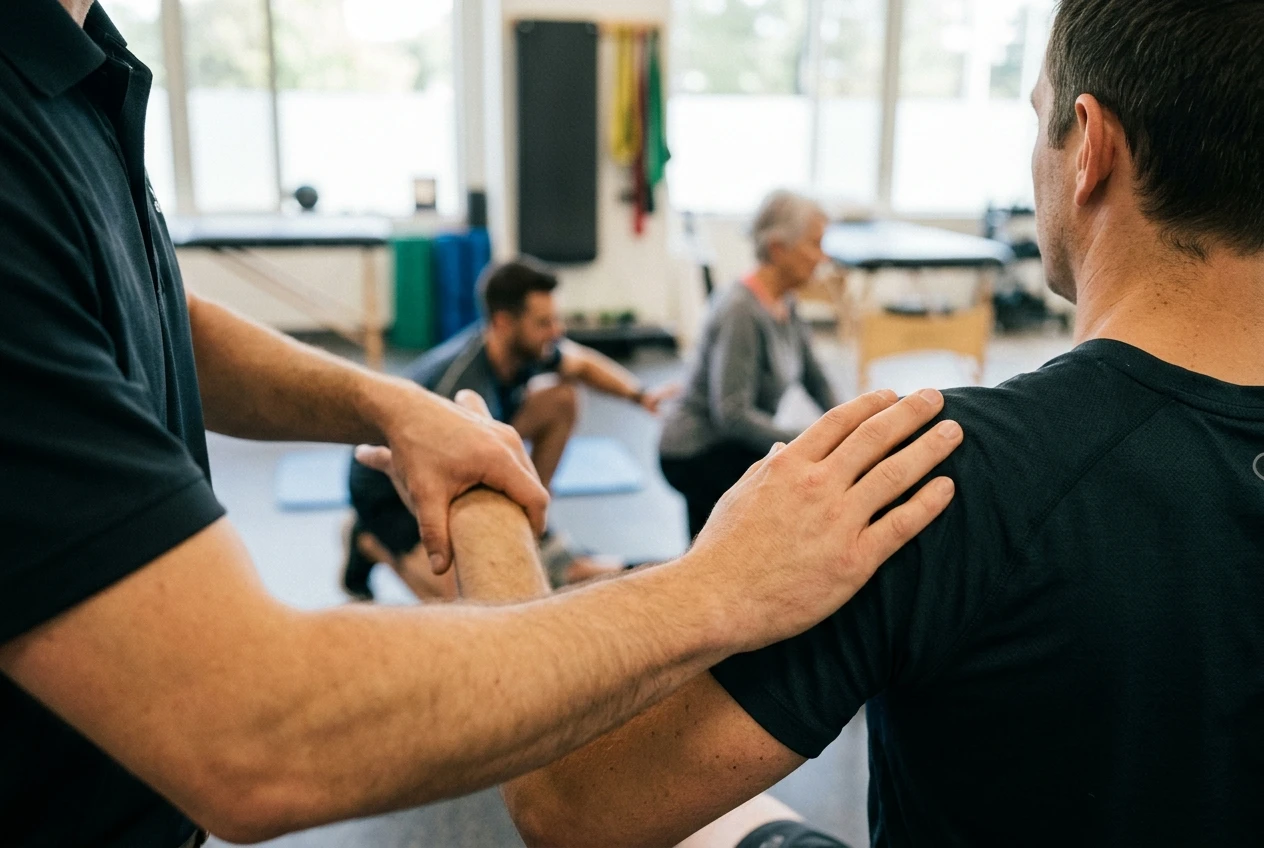
That’s why this Hub treats a desk worker’s frozen shoulder and an athlete’s hip impingement as points on the same line rather than separate disciplines. The tools overlap: controlled stretching, loaded mobility work, and consistent practice that teaches a joint to trust a range it hasn’t used in a while.
Who This Hub Is Built For
This Hub is for people whose joints have stopped doing what they used to do, for whatever reason. That includes:
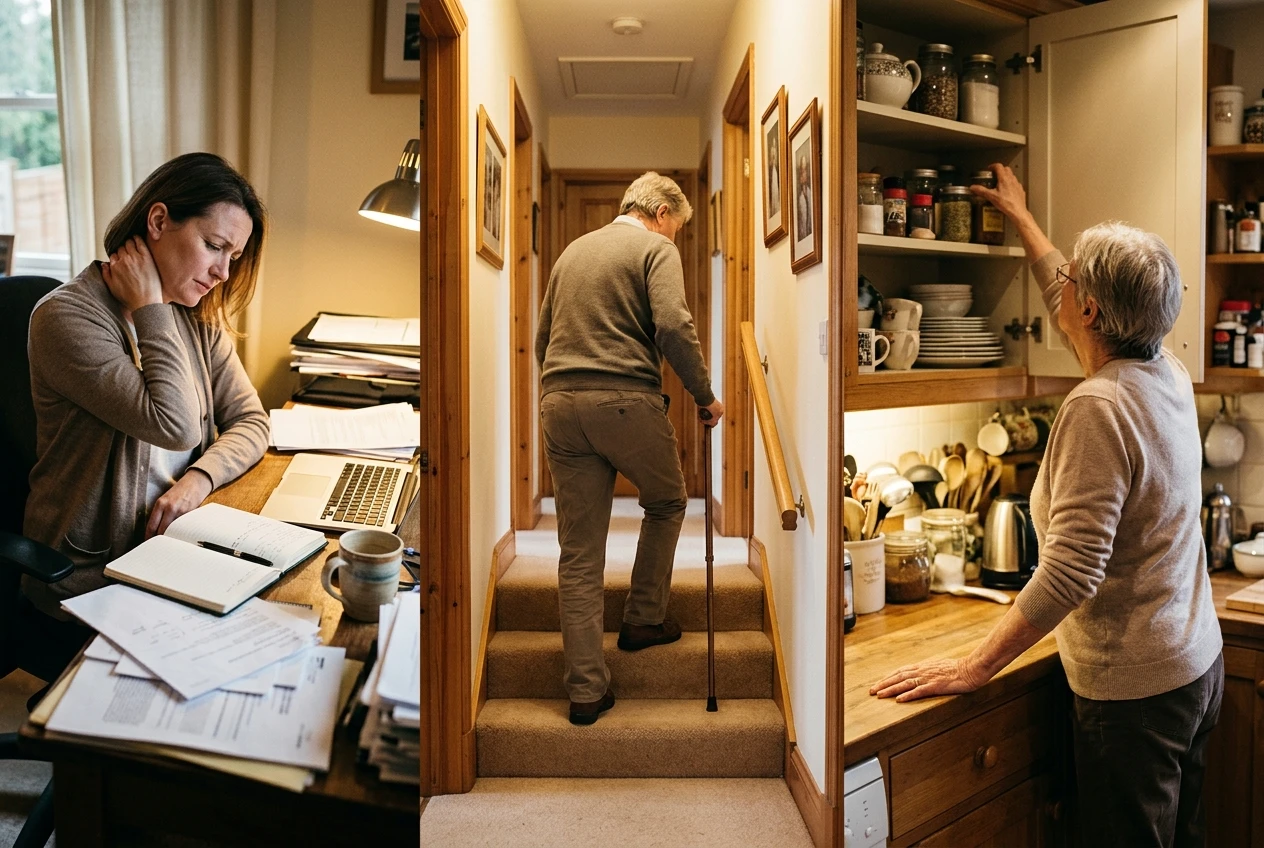
- Desk-based professionals dealing with tight hips, rounded shoulders, and a stiff neck by mid-afternoon
- People recovering from injury, surgery, or a long period of inactivity
- Lifelong athletes and masters competitors trying to keep training without breaking down
- Anyone noticing that stairs, floors, or overhead reaches feel harder than they did a few years ago
None of those groups need a different philosophy. They need a program that meets their joints where they actually are.

Three Ways to Start, Depending on Where You’re Stiff or Stuck
If you’re new to this whole area and the words “mobility” and “flexibility” sound interchangeable, they aren’t, and the difference changes what you should do first. Start with Mobility vs Flexibility: A Comprehensive Guide for Beginners to get the distinction straight before you pick a routine.
If you’re already training, lifting, running, or playing a sport, the most common way people get hurt isn’t the workout itself. It’s skipping or rushing the preparation beforehand. Inadequate Warm-Up Leading to Injury Risk covers what a joint actually needs before it’s asked to work hard.
If age is the factor driving your stiffness, whether that’s a knee that complains more than it used to or a shoulder that’s lost overhead reach, The Impact of Age on Mobility and Flexibility explains what’s changing in the tissue and what still responds to training at any age.
Inside the Hub: Programs, Science, and Weekly Practice
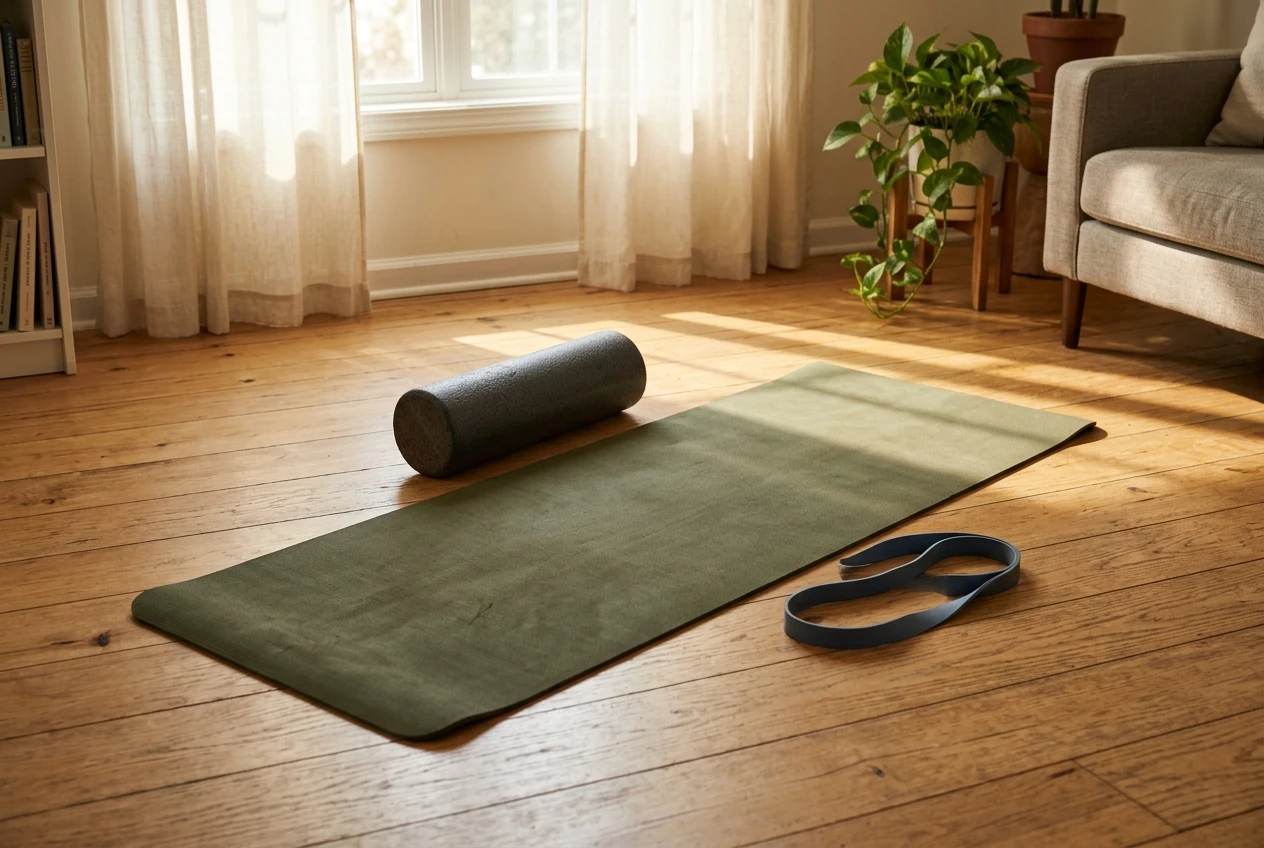
Beyond those three starting points, the Hub holds a full library built around how people actually get stuck: muscle imbalances that quietly limit a joint’s range, flexibility gains that plateau despite consistent effort, small improvements that are real but too subtle to notice day to day. There are stretching routines, yoga-based sessions, hybrid strength and mobility work, and programs built specifically around a desk job or around aging well. Some pieces focus on the science underneath the practice, so the work isn’t guesswork.
The goal isn’t a single program everyone follows the same way. It’s a set of tools you select based on which joint is giving you trouble and what your week actually allows.
Why Sustainable Beats Fast
A stretching routine that produces a dramatic range-of-steps increase in two weeks and then gets abandoned has produced nothing. A joint adapts on the timeline tissue adapts on, not the timeline motivation lasts on. The programs here are built to fit into a week you’ll actually repeat: short enough to do on a busy Tuesday, structured enough that doing them consistently produces a joint that moves better in three months than it does today.

That’s a slower promise than most fitness content makes. It’s also the only version of this that holds up once the initial motivation wears off, which it will, for everyone, eventually.
Start With the Path That Matches Your Body Today
You don’t need to read everything on this Hub before you start. Pick the path in the section above that matches where you’re stiff or stuck right now, whether that’s a basic understanding of mobility versus flexibility, a warm-up that’s been too short for too long, or joints that have changed with age, and move straight into that article.