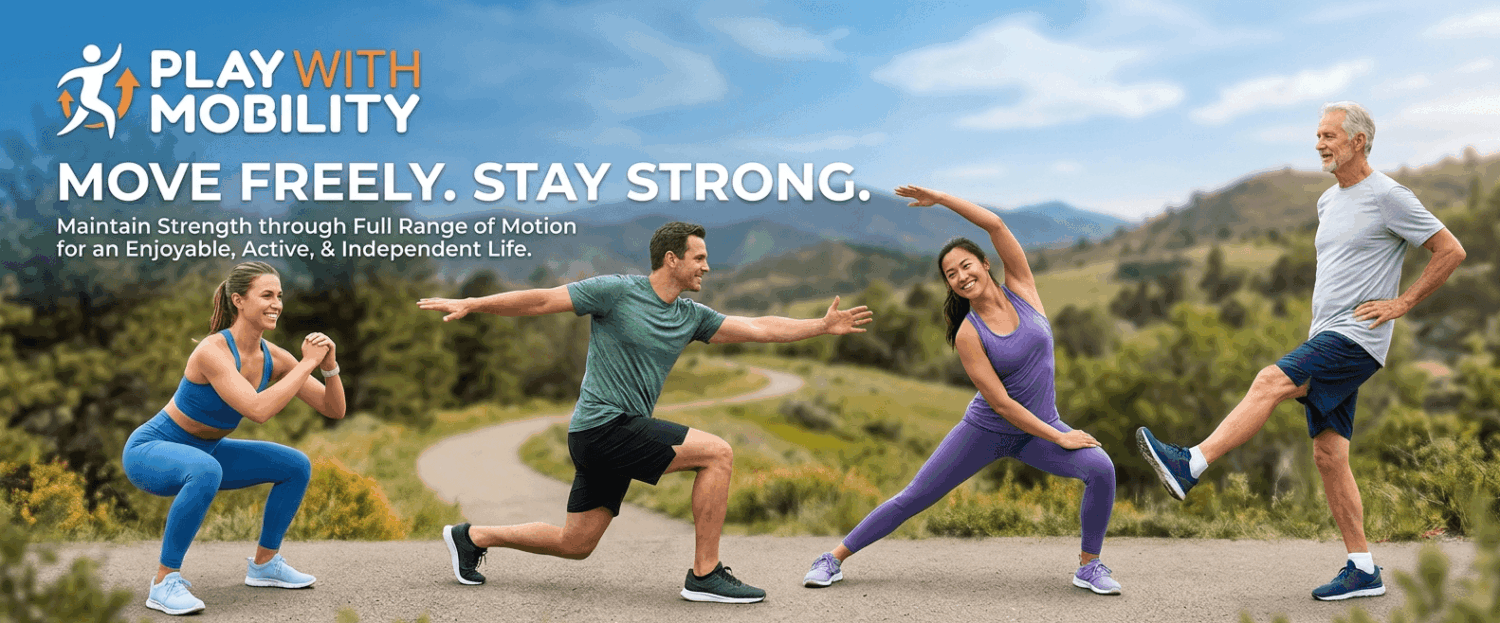
Hybrid yogastrength mobility sessions offer an approachable and effective way to improve movement and develop a more balanced, adaptable body. These routines blend traditional yoga poses with targeted strength exercises and dynamic mobility work. I have found that including both flexibility and strength in a single session supports overall body health and makes daily movement easier and smoother. I’m going to share my experiences and practical tips for building these sessions into your weekly routine, whether you’re new to mobility work or an experienced mover looking for a fresh challenge.
Why Include Both Yoga and Strength in Your Mobility Training?
Combining yoga and strength training elements brings together the best of both worlds. While yoga focuses on breath, flexibility, body control, and mindfulness, strength training helps increase muscle power and joint stability. I often see that when only one approach is used, something gets left out. Relying solely on yoga may lead to flexibility without enough support in certain movements, while traditional strength routines can sometimes make people feel stiff and tight.
Hybrid yogastrength mobility sessions help address both these issues. For example, I’ve noticed that combining moves like deep lunges with loaded carries or active core engagement gives me more balance and stability than when I used to practice each style alone. This approach is really helpful for anyone wanting to reduce injury risk, move better in sports, or just feel more comfortable climbing stairs or reaching overhead.
This training style is growing in popularity as more people realize the value of crosstraining and varied movement patterns. Research often points out that well-rounded routines that include flexibility, balance, and muscle control can be helpful for active aging, injury prevention, and athletic performance (source).
Key Components of a Hybrid YogaStrength Mobility Session
Building a balanced session requires a thoughtful mix of exercises. Here’s a breakdown of the core elements I use and recommend:
- Dynamic WarmUp: I start with light movement that wakes up the body, like gentle shoulder circles, standing twists, or cat cow variations. This helps joints and muscles prepare for deeper work.
- Mobility Drills: These moves, like hip openers, spinal rotations, and dynamic hamstring stretches, get the body ready for bigger rangeofmotion efforts. I include movements that match what’s coming up in the session.
- Yoga Flow: Flowing through sequences such as sun salutations, warrior poses, or balancing postures adds flexibility and body awareness. I focus on control and mindful breathing.
- Strength Movements: Bodyweight squats, lunges with twists, planks, and singleleg bridges are among my favorites. Sometimes, I add light resistance bands or small weights for an extra challenge.
- Integration Work: Combining moves, like a lunge to a twist or a squat to an overhead stretch, encourages coordination and smooth transitions between positions.
- CoolDown and Breathwork: Gentle stretching and mindful breathing help calm the system, lower stress, and lock in the benefits of the session.
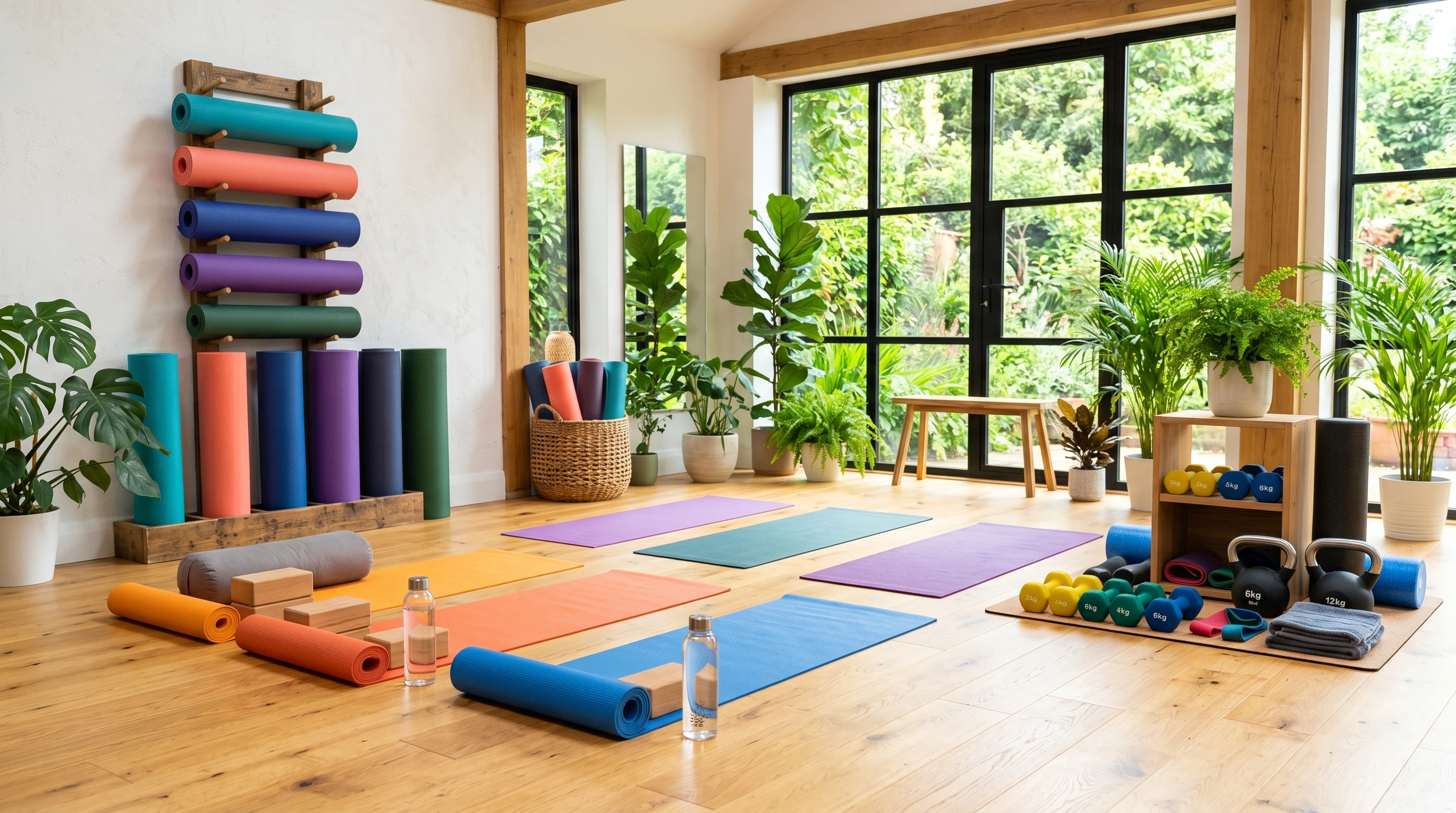
This mix doesn’t take much equipment, usually just a yoga mat and a set of resistance bands, making it accessible for people training at home or in small spaces.
Step-by-Step Guide: How I Structure a Hybrid Session
When I design a session, I pay attention to sequencing so that the body warms up well and finishes with a sense of accomplishment. Here’s how my typical session flows:
- Gentle WarmUp (5 minutes): Marching in place, arm swings, easy side bends, and neck circles to ramp up circulation and get the mind focused.
- Targeted Mobility (5-7 minutes): Movements like alternating spiderman lunges, deep squats with reaches, shoulder sweeps, and ankle circles. I perform each exercise for around 30 seconds to one minute.
- YogaStrength Circuit (20-30 minutes): This is the main part of my session. I include circuits mixing yoga poses and strength moves.
- For example: a set of Warrior II pose transitions, followed by loaded split squats or resistance band rows.
- Balance postures such as Tree Pose, paired with singleleg deadlifts (with or without weights).
- Dynamic planks blended with Downward Dog pushups for core control and shoulder strength.
- Integration Flows (5 minutes): Short flows that link strength and mobility, like stepping from plank to lunge to twist, before returning to plank.
- Reset and CoolDown (5-10 minutes): Gentle, static stretches, such as reclining hamstring holds, child’s pose, or spinal twists, followed by slow breathing while lying on the mat.
This structure keeps my body feeling challenged but not overwhelmed. I appreciate how movement variety and controlled breathing keep fatigue levels lower than with pure strength or cardio circuits.
Common Challenges and Simple Solutions
As someone who has coached others and experimented with my own routines, I know that adopting hybrid mobility training can raise a few everyday challenges. Here are a few I see often, along with some practical suggestions:
- Lack of Space: Most movements need less than two yoga mat lengths of space. I move furniture if needed, or modify wide stances in tighter spots.
- Limited Equipment: Bodyweight exercises make up most of my routine. Simple props like yoga blocks, resistance bands, or a light dumbbell are easy to store at home.
- Tightness or Stiffness: If I feel stiff, especially after sitting a long time, I take more time with slow mobility drills and start with gentler flows.
- Balance Struggles: For singleleg moves, I position myself near a wall or sturdy chair for support. This makes it easier to focus on form until my balance improves.
- Coordination Issues: Slow, mindful transitions make all the difference. I practice linking two movements at a time before adding more complexity.
Building consistency works better than seeking perfection each session. Scheduling regular times during the week and rewarding myself for showing up helps keep me on track, even when progress feels slow.
Practical Tips for Hybrid Mobility Success
Sticking with a hybrid yogastrength program is easier when I follow some practical tips drawn from experience and research:
- Prioritize Consistency Over Intensity: Short, frequent sessions (even 20 minutes) make a bigger impact in the long run than occasional marathon workouts.
- Pay Attention to Breath: Steady, deep breathing keeps my body calm and gives a boost to focus. I use my breath as a guide to adjust my effort level.
- Individualize Poses and Exercises: Modifying poses with props or adjusting stance allows me to work around sore joints or minor injuries.
- Track Progress: I jot down any improvements or challenges after each session, which helps motivate me and spot areas that need more attention.
- Stay Curious: Regularly adding new variations, flows, or equipment (like sliders or kettlebells) helps keep my mind and body interested.
According to the American Council on Exercise, mixing flexibility and strength routines can help manage chronic pain, improve posture, and encourage lifelong fitness (source). I often see clients move better in sports and daily life after just a few weeks of this approach. If you’re just starting out with hybrid mobility, don’t be afraid to try short, simple routines. Gradually building confidence and skill matters much more than pushing yourself too hard too soon.
Real-Life Benefits: Everyday Applications
I notice the benefits of hybrid yogastrength mobility sessions in real life more than in the gym. I feel steadier when climbing stairs, bending to reach low shelves is easier, and carrying groceries or gardening puts less strain on my back. Friends and colleagues often comment that they feel more energetic after mixing stretching and strength in one workout rather than splitting them up.
- Improved Balance and Stability: Challenging my balance during moves like lunges and singleleg stances trains my body to react better to unexpected switches during hiking or even just walking down the street.
- Better Recovery: Including gentle flows and mobility drills supports muscle recovery after more demanding strength days, so soreness is less disruptive.
- Posture and Core Support: Integrating planks, twists, and mindful stretching improves my posture at my desk and reduces neck and shoulder pain.
I also find that my mood and focus improve after these sessions, thanks to the mindful, stress-reducing effects of yoga-like breathing and movement variety. Little wins such as easier movement and less pain really add up. Over time, this makes daily living smoother and more enjoyable.
Frequently Asked Questions
I hear similar questions from people interested in hybrid yogastrength mobility:
Question: Is this training only for athletes or advanced movers?
Answer: Hybrid sessions can work for all levels. Moves can be simplified or made more challenging depending on experience and comfort.
Question: How often should I add hybrid mobility sessions to my routine?
Answer: I aim for 2-4 sessions per week, adjusting intensity and exercise selection to fit alongside other activities or workouts.
Question: What’s the main difference between regular yoga and hybrid sessions?
Answer: Hybrid sessions add focused strength work and practical, dynamic mobility exercises to the usual mix of yoga poses and flows, making the routines more wellrounded and adaptable to different movement needs.
Getting Started with Your Own Hybrid YogaStrength Mobility Routine
Starting with hybrid mobility training doesn’t require anything fancy. A yoga mat, some floor space, and maybe a resistance band are plenty. I recommend setting aside regular times each week and choosing 3-5 of your favorite yoga poses and pairing them with basic strength moves. Keep workouts short at first and adapt movements as your comfort and control improve. As you build confidence, try adding new poses and gradually increase session length.
Making these sessions a regular part of my week has paid off in smoother, more comfortable movement and better overall body awareness. I encourage everyone to give hybrid yogastrength mobility routines a try; they offer practical, lasting benefits that carry into every part of daily life. Stick with it and you’ll quickly see improvements, both in your movement and your overall sense of well-being.