
Improving my mobility through stretching has changed the way I move and feel every day. When I spend just a few minutes stretching each day, I notice less stiffness and more freedom of movement whether I’m heading up the stairs, playing with my kids, or just working at my desk. Stretching is about more than just touching my toes. It actually helps my body stay comfortable, reduces my risk of injury, and increases my quality of life. Here, I’m sharing practical stretching techniques and tips that have helped me improve my mobility and feel better all around.
Why Stretching Matters for Mobility
Mobility is all about how easily each of my joints moves through its full range. When my muscles are tight, my joints don’t move as freely, which affects posture, balance, and even basic activities like walking. Stretching regularly keeps my muscles and the tissue around my joints more flexible. This helps me move without discomfort and keeps activities like squatting, reaching, or turning smooth and easy.
There are different types of stretching. Static stretching involves holding a position for a period of time, while dynamic stretching uses movement to get my body ready for action. Both techniques serve different needs. For improving mobility, I focus on stretches that target large muscle groups and areas where I tend to feel stiff, such as my hips, shoulders, and back.
I used to think stretching was only something athletes needed, but now I know it’s for everyone. If you sit at a desk all day, stretching can help ease the tension that builds up in your hips or lower back. If you spend a lot of time on your feet, stretching your calves, hamstrings, and back can make a noticeable difference in your comfort and endurance. No matter your age or fitness level, stretching is a habit that pays off over time.
Getting Started with Stretching for Mobility
Starting a stretching routine is easier than I first thought. I pick a time each day when I feel relaxed but not too tired, usually after a quick warmup like a short walk or light jog. This helps my muscles get warm, which is really important for both safety and effectiveness. Here are some basic terms I learned which make following routines much easier:
- Static Stretching: Involves holding a muscle in a stretched position for about 20-30 seconds.
- Dynamic Stretching: Uses controlled movement to gently take my joints and muscles through their full range.
- Active Stretching: I use my own muscle strength to hold the stretch without any outside help.
Understanding these terms means I can follow routines safely and know what my body needs most on any given day.
When I was starting out, I found it helpful to pick just two or three stretches and do them consistently rather than trying to master a long list. As I got comfortable, I slowly added more variety to keep things interesting and address different areas of stiffness.
Step-by-Step Guide to Effective Stretching
I started getting real results when I followed a simple process for each stretch. Here’s what that looks like for me:
- Warm Up First: I always start with some gentle movement. Marching, climbing stairs, or swinging my arms helps warm my muscles up and makes stretching feel better.
- Focus on Major Muscle Groups: Tightness in my legs, hips, chest, and back impacts my mobility the most, so I started there.
- Use Slow, Controlled Movements: I stretch slowly, never forcing anything or bouncing. This prevents muscle strain.
- Breathe Deeply: I focus on relaxing and breathing steadily, which actually helps my muscles let go of tension.
- Work Both Sides Equally: If I stretch my left leg, I always stretch my right, too, to keep my range of motion balanced.
Following these steps, I noticed less soreness, better posture, and easier movement within a few weeks.
Common Stretching Mistakes and How I Avoid Them
Getting the most out of stretching means doing it right. Earlier, I struggled with a few common errors that made stretching less effective and even a little uncomfortable. Here’s what I learned:
- Skipping Warmups: Stretching cold muscles often left me feeling stiff or even sore later. Now, I stick to a short warmup before stretching.
- Bouncing or Forcing Stretches: Trying to go too deep too quickly, especially with bouncing, only made things worse. I now stay patient and let my body ease into new positions.
- Holding My Breath: Holding my breath built up tension. Deep breathing relaxes me and makes the stretch easier to hold.
- Ignoring Pain Signals: A stretch can be uncomfortable, but real pain is my body’s way of telling me to stop. I adjust whenever I notice sharp or shooting pain.
Warming Up Before Stretching
Warming up used to sound unnecessary to me, but it actually makes stretching safer and more effective. I spend about five minutes marching in place, gently swinging my arms, or doing easy hip circles. This raises my heart rate and warms my muscles, so they’re ready for safer and more comfortable stretching.
Knowing the Difference Between Discomfort and Pain
There’s a real difference between the mild pull of a stretch and actual pain. Learning to pay attention to how my body feels helps me avoid injury. I always stop if I feel anything beyond mild discomfort, especially sharp or pinching pain.
Stretching Techniques That Boost My Mobility
Having a few reliable stretches in my daily routine has made a big difference. Here are some techniques I rely on and why each helps with better mobility:
- Hip Flexor Stretch: I kneel on one knee and gently press my hips forward, feeling a stretch in the front of my hip. This is great for relieving tightness from sitting a lot.
- Hamstring Stretch: Lying on my back, I gently pull one leg toward me while keeping it straight. This stretches the back of my thigh and helps with bending and reaching.
- Couch Stretch: With one foot on the floor and my opposite knee against a wall or edge of the couch, I stretch the front of my thigh and hip. This is my go-to after a long day sitting at work.
- Shoulder Cross Body Stretch: I pull my arm across my chest with my other hand to stretch my shoulder. This makes reaching and lifting easier, especially if I’ve done a lot of computer work.
- Seated Torso Twist: I sit with my legs out and twist gently to one side. This stretch keeps my spine flexible and helps with turning and rotating my upper body.
I keep each stretch gentle and hold it for about 20-30 seconds, repeating on each side. Gradually, I notice my range of motion improving.
Occasionally, I incorporate new stretches to target areas I may have overlooked, such as my ankles or wrists, which can help with balance and grip. Listening to my body and mixing things up ensures my stretching routine stays effective and keeps me interested.
Tips That Have Made Stretching Easier for Me
Sticking to a stretching routine gets easier with a few simple changes. Here are the best tips I’ve learned along the way:
- Consistency Over Intensity: A little stretching each day works better for me than one long, intense session. I build the habit by connecting it to something I do every day, like after brushing my teeth or before bed.
- Track What Works: I write down which stretches make me feel great and which ones seem to do less. This helps me adapt my routine so I enjoy it more and notice progress.
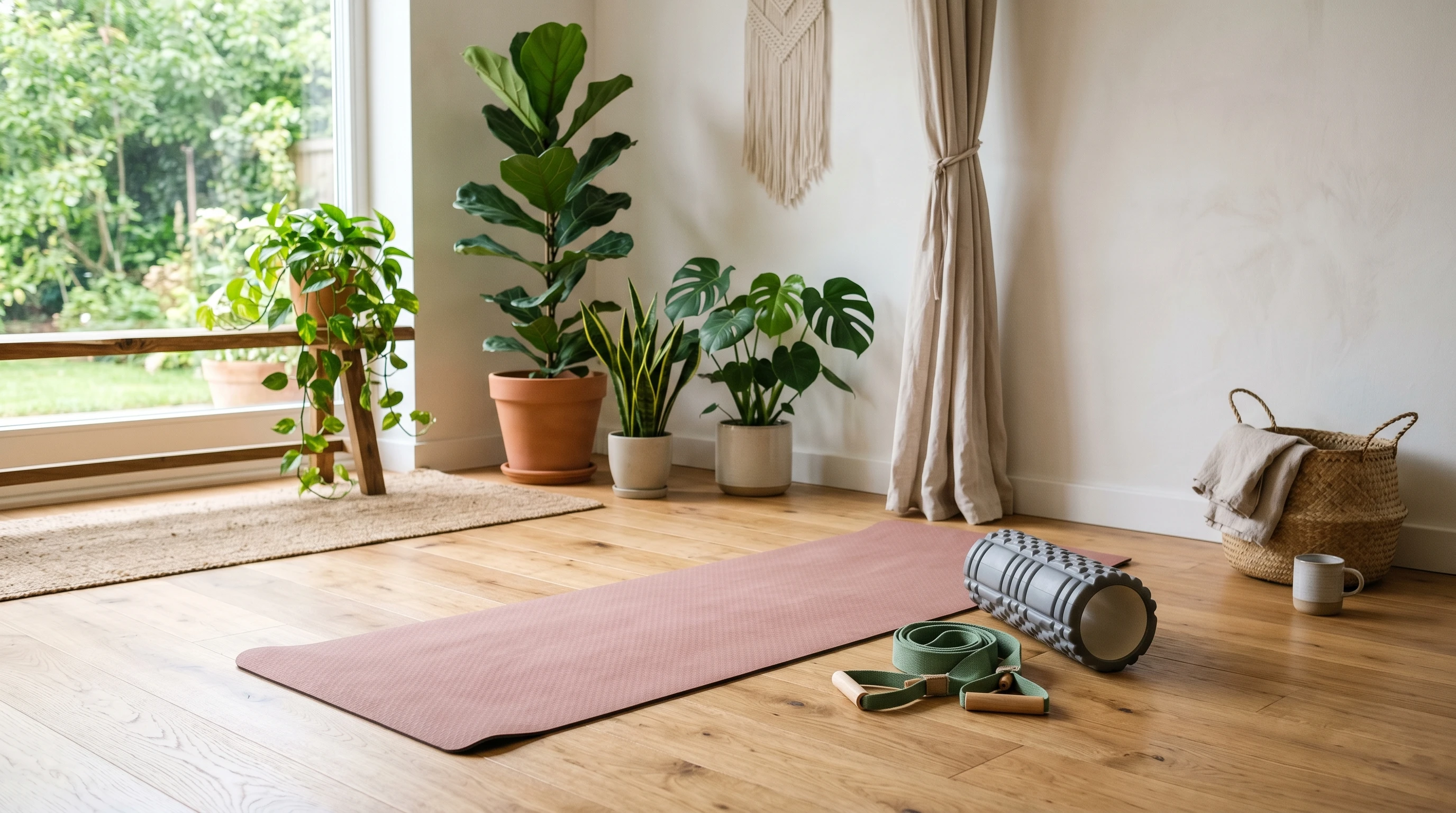
- Use Props When Needed: Foam rollers, yoga straps, or sturdy chairs help me get into positions that might otherwise be tough, making stretching safer and more comfortable for my body.
- Create a Comfortable Space: I set aside a quiet area with enough room to stretch. Putting on relaxing music or soft lighting helps make stretching more enjoyable and helps me focus.
Through experimenting and paying attention to my own body, stretching has become something I look forward to because I like how loose and strong it makes me feel.
Frequently Asked Questions
Here are some common questions people ask when starting to stretch for better mobility as part of their everyday lives.
Question: How often should I stretch for better mobility?
Answer: Daily stretching works best for me, even if just for five to ten minutes. Fitting it into my routine keeps my joints moving freely and helps me notice progress sooner.
Question: What type of stretching is best before exercise?
Answer: I use dynamic stretches before physical activity since they warm up my muscles using movement, which gets my body ready for action without making my muscles feel overly loose or tired.
Question: Is stretching enough to improve overall mobility?
Answer: Stretching is a good start for improving mobility, but I notice even better results when I add strength and balance exercises. Building muscle in addition to staying flexible keeps my joints stable and moving well.
Question: Should I stretch before or after my workout?
Answer: Dynamic stretching is ideal before exercise to get your body ready. After a workout, I switch to static stretches to gently wind down and relax my muscles. Mixing the two approaches gives the best results.
Ways Stretching Improves My Everyday Life
Since making stretching a regular habit, I enjoy small but meaningful improvements in my day-to-day life. Getting out of bed feels easier, and long hours at the desk don’t leave me nearly as tight or sore. I feel more comfortable when exercising too. Whether I’m trying something new at the gym or playing catch outside, stretching gives me a simple way to relax, tune in to my body, and prevent injuries before they start.
With a little consistency and patience, stretching techniques for better mobility offer a real return on the time I invest. Each stretch, even the small ones, helps me unlock better movement, comfort, and confidence in everything I do.