

Measuring small joint mobility gains can be really satisfying, especially when I notice positive changes that reflect hard work in therapy or rehabilitation. Still, tracking these tiny gains accurately can be tricky. Whether I’m dealing with fingers, toes, or other small joints, getting an honest picture of improvement is important for motivation and treatment decisions. In this article, I’ll check out the reality of monitoring small joint changes, including why it can be difficult, what tools exist, and some helpful tips for making the most of each measurement session.
Why Tracking Mobility in Small Joints is Tough
Checking for progress in small joints isn’t as straightforward as it might seem. Joints like those in my fingers, toes, or wrists have smaller physical movements, and these changes can be subtle. Even after weeks of dedicated stretching or strengthening, the improvement might only be a few degrees. Noticing these small shifts often requires sharp eyes, good tools, and lots of consistency in how I measure.
Several things make this process tough. First, tiny joints tend to have less range of movement compared to larger joints like knees or elbows; this makes any changes harder to spot. Put simply, when the difference between good and poor movement is just a few millimeters, even experienced therapists might miss or overestimate progress if the process isn’t precise.
On top of that, swelling, pain, or even the way a joint is positioned on a particular day can influence results. I notice that some days my finger feels stiffer or more relaxed, which changes what I record. Finally, human error can creep in, particularly if different people take my measurements or I don’t maintain the same posture or technique each time.
Understanding the Tools for Small Joint Measurement
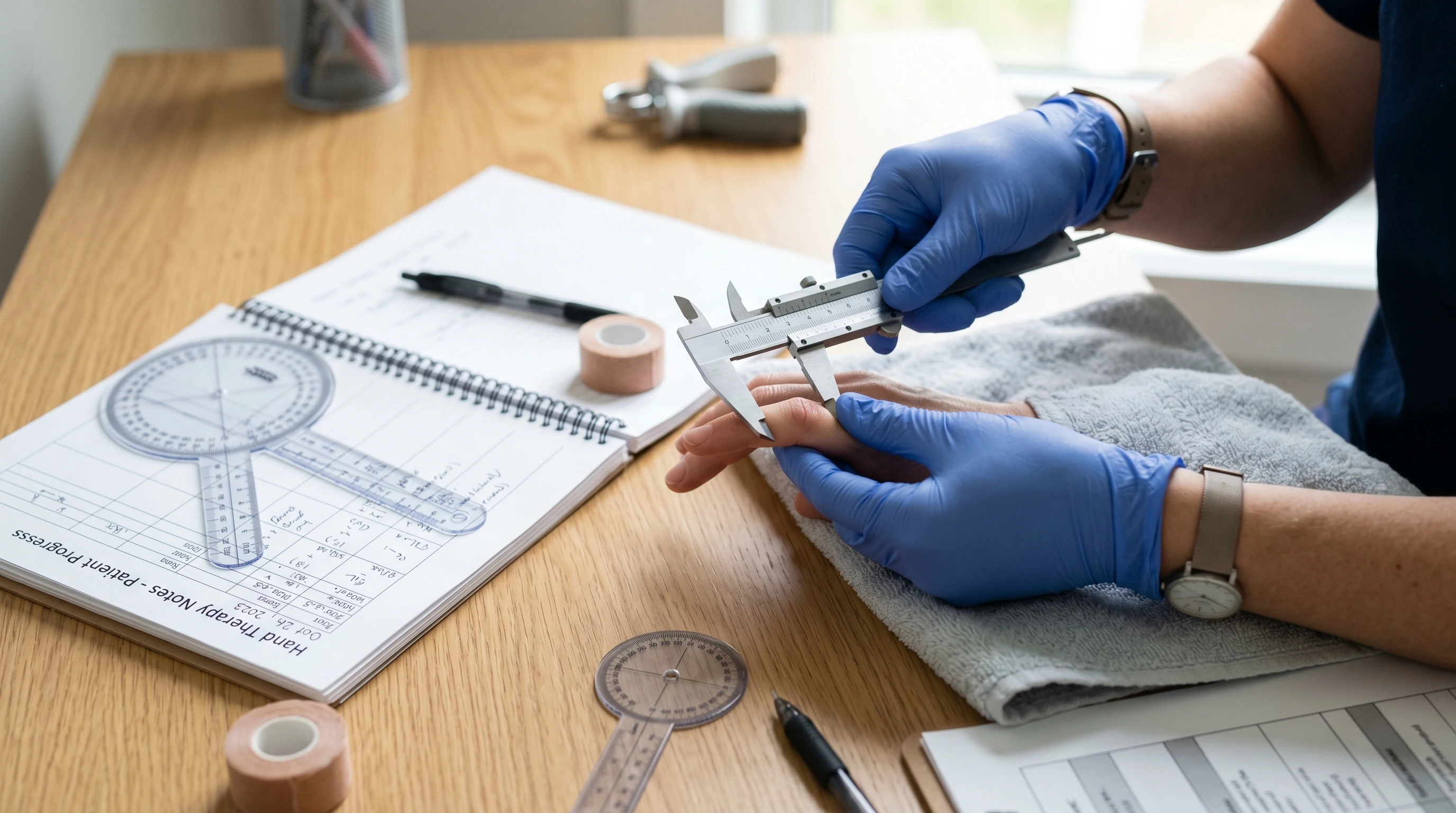
Measuring small joint mobility requires the right instruments. The most common tool is a goniometer. This device measures the angle of joint movement, and I often see them in clinics. For larger joints, even small errors don’t make a big difference, but with finger or toe joints, a difference of two or three degrees becomes more meaningful.
- Goniometer: A plastic or metal protractor-shaped device with two arms. By lining up the goniometer arms with the bones above and below the joint, I can get a reading of how much the joint bends or straightens. A standard goniometer usually measures bigger angles, but finger goniometers are smaller for this precise work.
- Inclinometer: This tool measures the tilt or “incline” of a body part. It sometimes gives more precise measurements because it accounts for gravity and doesn’t depend as much on lining up arms perfectly.
- Visual Estimation: This approach is used sometimes in busy clinics, but it’s usually less accurate. Trained clinicians can estimate changes, but these estimates often vary and can miss subtle gains.
- Photography or Video: Taking consistent photos or videos during movement can help reveal small changes over time. When I compare images taken in the same way and angle, it becomes easier to spot gradual improvements.
Most experts recommend goniometers for regular tracking, but each approach comes with challenges. Consistency is key, both in the way I place the joint and how I use the tool each time I check it.

Tips for Getting Reliable Measurements
There are small strategies I follow to improve the accuracy of joint mobility tracking. Here are some tips I’ve learned over time:
- Stick With One Method: If I use a goniometer to begin, I keep using it every time. Swapping between tools or techniques makes it hard to spot real trends.
- Use Landmarks: I look for bony landmarks, such as knuckles or toenail edges, when lining up measurement devices. This serves as a reference point. Making sure I use the same spot each time helps keep measurements honest.
- Record the Position: Writing down or photographing my starting position helps me set up the same way at every session. That way, I’m less likely to describe progress that’s really just a change in how I’m sitting or holding my hand.
- Measure at the Same Time of Day: My joints feel different depending on activity, fatigue, or temperature. Measuring at the same time and under similar conditions provides more reliable data.
- Have One Person Measure If Possible: Differences between how people read goniometers or line up joints can create confusion. I try to have the same physical therapist or helper do all my checks if I can.
By controlling these variables, I make it more likely that any changes I pick up actually reflect genuine joint gains or losses. This becomes really important when I’m tracking improvements after injury, surgery, or with ongoing therapy. Keeping careful records for comparison helps my healthcare providers, too.
Common Issues When Tracking Small Joint Progress
Even with careful techniques, several issues crop up regularly. Here are some that I’ve experienced or seen in others:
- Swelling or Inflammation: Swollen joints make it harder to place measurement tools accurately, and can reduce available movement more than pain alone.
- Pain Limiting Movement: Discomfort sometimes prevents me from moving to my real limit. This makes it tricky to know if poor results come from joint stiffness, or simply hurting on that day.
- Fatigue: After exercise or therapy, joints and supporting muscles may be tired. Tiredness sometimes restricts range, especially at the end of a rehab session.
- Day-to-Day Variability: Some days are just better. I’ve had sessions where my finger felt looser after a warm shower, or stiffer in cold weather. This variability can mask true long-term improvement. Keeping a log of conditions can help me notice patterns.
- Human Error: I might misread the goniometer or forget the exact angle from the last check, introducing small mistakes over time.
Recognizing Real Gains vs. Measurement Error
Whenever I see changes of just a few degrees or millimeters, I ask myself whether this really shows progress, or just reflects normal daily ups and downs. Some research suggests that only changes larger than five degrees are likely to be meaningful when using a goniometer on small joints, though this can depend on the specific joint and person. If I see the same improvement two or three sessions in a row, it’s a stronger sign that it’s real rather than a one-off result. Comparing recent results with earlier records helps reinforce trends, giving me more confidence in my progress.
Examples Where Precise Small Joint Tracking Matters
There are several situations where careful measurement becomes really important. If I’m recovering after finger surgery, my doctor needs to know whether my therapy is bringing actual progress, or if adjustments are needed. For people managing chronic conditions like rheumatoid arthritis, tracking small joint mobility can flag flares or worsening disease before other symptoms show up.
- Hand Therapy: After a tendon repair or fracture, my therapist uses frequent goniometer checks to make sure that scar tissue isn’t blocking my finger movement or that splints are working as planned.
- Rheumatology: In autoimmune diseases, joint measurement helps gauge response to medication and therapy. Slow, steady gains over weeks may signal that treatment is working, even if the pace feels slow. Careful records of even gradual improvement may help the doctor adjust medicines just right for me.
- Sports Injuries: Jammed fingers and sprained toes are common in sports. Checking improvement every week helps guide return-to-play decisions and helps identify when healing has plateaued, so we know when to switch up the rehab plan or try a new approach. This regular feedback keeps athletes and their teams informed and safe.
Frequently Asked Questions
Here are a few common questions I get from people struggling to monitor small joint progress:
Question: How do I know if a change is real?
Answer: Look for changes that are consistent across a few sessions. If measurements are up and down, consider averaging several readings or asking your therapist to double-check.
Question: What if I don’t see progress?
Answer: Small joint gains can take longer than I like, and sometimes changes are too subtle to show week to week. Consider using videos or photos, and celebrate other markers of success, such as reduced pain or improved strength.
Question: Are there digital tools that help?
Answer: Some digital goniometers or smartphone apps can increase accuracy and track results over time, but they still require consistent technique. Paper charts or simple spreadsheets are also useful for keeping track.
Small Joint Mobility Gains are Worth Tracking
Tracking small joint movement takes patience, the right approach, and honesty about what the numbers mean. Consistent measuring helps me spot genuine improvements and share progress with healthcare providers. Even small positive changes add up to meaningful progress in daily life and function. Keeping a journal of exercise routines and symptoms can add depth to the numbers and show encouraging patterns over time.
For anyone trying to improve finger, toe, or wrist mobility, sticking with a reliable measurement process helps motivate and guide next steps in therapy. And no matter how slow progress feels, a few degrees in the right direction can make a real difference in what I can do every day. If you’re not seeing results right away, be patient and remember that small gains often lead to big benefits in the long run.