
Wearable sensorbased flexibility tracking offers athletes new ways to measure and improve their movement. By using lightweight devices that capture range of motion and stretch, I’m able to see a clearer picture of my flexibility and how it changes over time. Tracking flexibility with wearable sensors isn’t just about gaining numbers; it’s about gaining insights I can use to avoid injuries, step up recovery, and boost my overall athletic performance. In this article, I’ll guide you through how this technology works, why it matters, and how athletes like me can get the most out of these tools.
Understanding Wearable SensorBased Flexibility Tracking
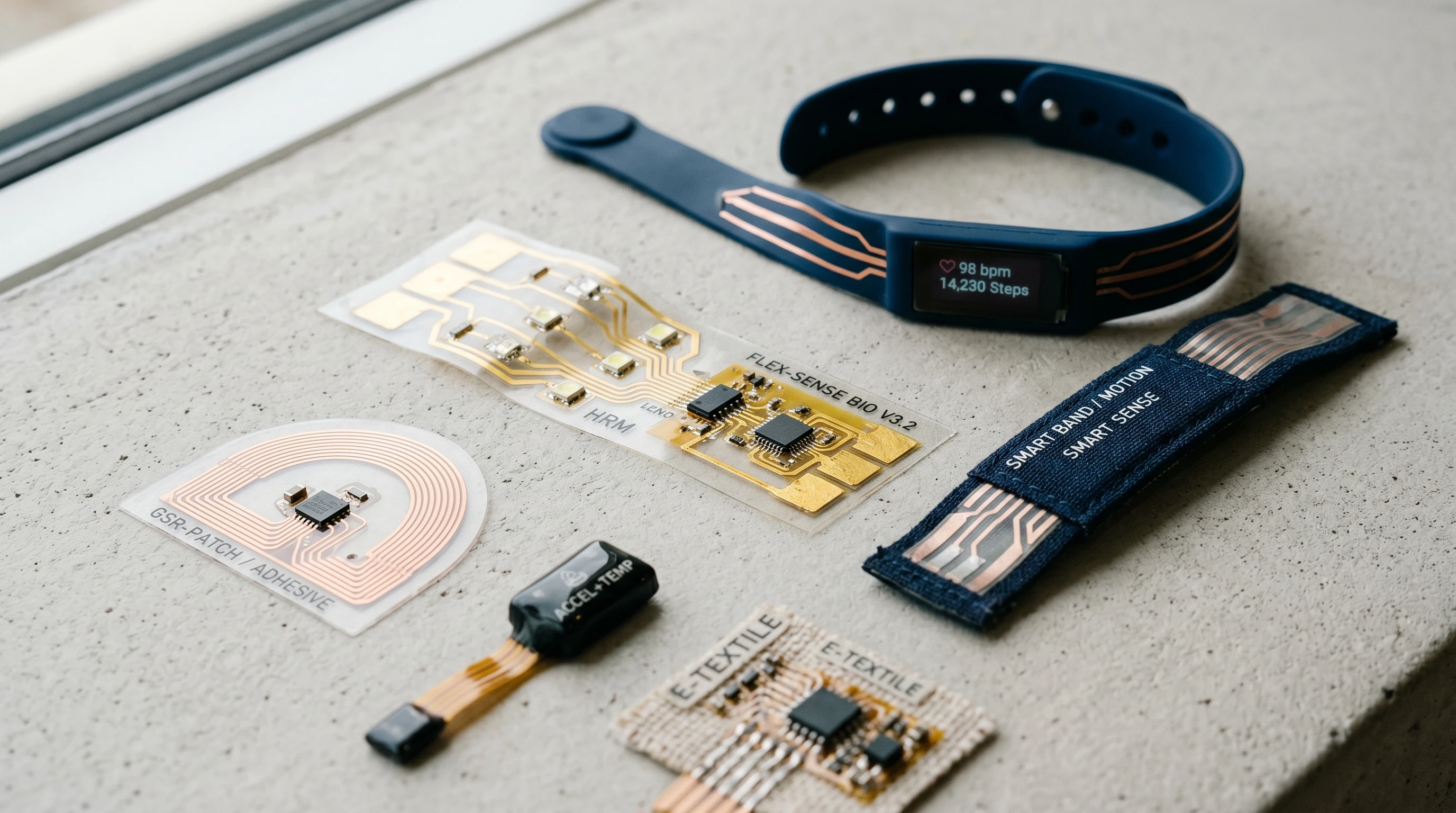
Wearable technology for flexibility tracking has become more available and practical in recent years. These devices are designed to stick to, wrap around, or clip onto the body to measure how much and how fast my joints and muscles move. I find this particularly useful because flexibility plays a major role in almost every sport, from running and cycling to gymnastics and martial arts.
Flexibility is typically measured by how far a joint moves and how easily that movement happens. In the past, this meant using static tools like goniometers in labs or clinics. Now, wearable sensors use accelerometers, gyroscopes, and sometimes even soft stretch sensors to get data in real time while I’m moving naturally, on the track, on a yoga mat, or during a training session.
The wearables send all this information wirelessly to my phone or sports watch. I can then use the companion app to see graphs, trends, and specific moments where my range of motion either improves or starts to dip. This helps me check out exactly where I need to focus my stretching or mobility routines. Plus, it feels pretty eye-catching to watch the changes unfold week after week.
Key Features of Flexibility Tracking Wearables
The best flexibility trackers for athletes come with features that go beyond basic data collection. Here are some features that have made a big difference for me and others:
- RealTime Feedback: I get immediate results, so I always know if I’m pushing too hard or not moving a joint through its full range.
- Historical Tracking: The app saves my past data. This really helps me spot longterm improvements or changes that might signal overtraining or risk of injury.
- Customizable Reminders: Some devices remind me to stretch or do mobility exercises at times I set myself. Consistent reminders help me build good habits.
- Multijoint Monitoring: Some systems allow me to monitor my shoulders, knees, hips, or multiple joints at once, giving me a complete flexibility profile.
When I use these tools, I don’t just rely on how I feel or remember my routines. The objective data helps guide my practice more clearly than before, and with trends right on my app, I’m able to track down improvement areas or issues that need attention.
Getting Started With Flexibility Trackers
Jumping into wearable flexibility tracking isn’t complicated, but I found it helpful to follow a few specific steps to make the most of it:
- Choose the Right Device: Not all wearables offer the same flexibility tracking. I look for those aimed at athletes or rehab, rather than basic fitness or step counters.
- Read the Manual: Setup matters. Following manufacturer instructions ensures the sensors sit properly on my body, so the data is accurate.
- Calibrate Before Use: Most devices need a simple calibration movement before sessions. It’s a quick way to reset and make sure all readings match my own movement patterns.
- Set Clear Goals: I get the best results when I have specific flexibility or injuryprevention goals in mind, like touching my toes, opening my hips more, or recovering after an ankle sprain.
These initial steps help me keep my data meaningful and make adjustments to my training without unnecessary guessing. If you want to jumpstart your flexibility journey, starting with clear steps and realistic goals makes all the difference.
Factors to Consider Before Using Wearable Flexibility Trackers
Adding a new piece of technology requires thinking ahead. Here are a few things I consider:
- Device Comfort: I pay attention to whether a sensor feels intrusive, especially during dynamic movement. If it’s uncomfortable, I’m less likely to use it regularly.
- Data Accuracy: Not all trackers are equally reliable. Reading independent reviews and scientific assessments helps me pick something trustworthy.
- Wear and Tear: Sweat, rain, and frequent washings can wear down the sensors. Devices that are waterresistant or offer replacement adhesive patches last longer in my routine.
- Privacy and Data Security: Since I’m uploading performance data, I always check how the brand handles privacy and whether I can control where my info goes.
Careful choices in these areas make my experience smoother and let me focus on athletic progress instead of tech headaches. Plus, having a comfortable, accurate device means I’m more likely to build a lasting habit and see benefits over the long term.
Comfort and Fit
A wearable that digs into my skin or causes redness can become distracting. I’ve found that soft, fabricbased sensors or flexible bands tend to be the most userfriendly during longer training periods. It’s a small factor on paper, but in practice, a good fit is what keeps me coming back every week.
Battery Life and Charging
Frequent recharging can be a hassle, so I value wearables that can last at least several sessions per charge. Devices with easy wireless charging or USBC ports fit best into my routine. If you train often, check battery life details before choosing your tracker to avoid disruptions midworkout.
Integration With Other Health Metrics
Devices that work with my other wearables or training apps give me a more complete picture of my health and performance. This helps when coaches or healthcare providers want all the data in one place. With integration, I can check out how my flexibility links up with my heart rate, sleep patterns, or workout intensity.

Tips to Get the Most From Flexibility Tracking
Once I’m used to the basics, a few tricks help me see bigger benefits:
Use Regular Baseline Measurements: I make time each week to run a short flexibility test with my sensor. Comparing these results helps me see real progress instead of relying on memory alone.
Pair Flexibility With Other Performance Metrics: When I track flexibility alongside strength and endurance, I spot connections. For example, stiffness after heavy training often shows up first in my flexibility data.
Share Results When Needed: I sometimes send my flexibility data to my physical therapist. Real data can lead to small changes in my rehab plan or training load, making my recovery smoother. Over time, this lets me check out trends and fine-tune my training to stay ahead of injuries.
How Wearable Flexibility Trackers Are Used in Sports
I’ve seen athletes in many sports benefit from flexibility tracking, including:
- Soccer and Football: Players monitor hip and hamstring flexibility to help prevent muscle strains.
- Running: Runners track ankle and knee mobility to manage overuse injuries and maximize stride length.
- Yoga and Pilates: Instructors use sensors to keep an eye on progress in challenging poses, helping clients progress safely.
- Rehabilitation: Physical therapists use stretch sensors to measure recovery after joint injuries, letting them see improvement in real time.
These examples show just how flexible these tools can be for both highlevel competition and everyday fitness routines. For athletes and fitness enthusiasts alike, stumbling upon the right tracker can be a gamechanger.
Frequently Asked Questions
Question: How accurate are wearable flexibility trackers?
Answer: Device accuracy varies. Reviews and some peerreviewed studies have shown that highquality models offer close accuracy compared to lab methods if fitted properly. Checking the manufacturer’s validation papers helps confirm this. If you want the best, make sure to dig into how the accuracy stacks up before buying.
Question: Can I use flexibility trackers without a smartphone?
Answer: Most devices require an app for at least setup and syncing, but some allow for limited tracking and later data download on a computer or watch. Many apps are compatible with both Android and iOS. Be sure to check device specs before purchasing to match your preferred workflow.
Question: Are these trackers suitable for kids or older adult athletes?
Answer: Many wearable sensors are lightweight and adjustable, making them usable by a wide range of people. Several physical therapy clinics even use them with younger and older clients to monitor safe movement and improve mobility. It’s important to start at a comfortable pace and grow from there.
Real-World Examples of Wearable Flexibility Tracking Benefits
I recently worked with a running group where several of us used flexibility trackers before and after our stretching routines for a month. The realtime feedback helped us see that static stretching improved range of motion temporarily, but dynamic mobility work offered longerterm improvements. Several runners avoided overstretching because the wearable buzzed whenever their movement went beyond a safe limit, keeping injuries at bay.
Another friend training for a martial arts tournament used sensors on her shoulders and hips. By identifying limited mobility early, she added targeted exercises, which helped her move with greater agility and power during matches. Tracking progress in numbers boosted her confidence and let her coach adjust drills based on actual gains, not just gut feeling.
Adding wearable flexibility tracking changed how I approach my warmup, recovery, and even strength training. It makes a real difference by giving me feedback I can use to get better, stay safer, and feel more in control of my own progress. If you’re looking for an easy way to check out your flexibility and step up your athletic routine, these tools are definitely worth tracking down.