

If you’ve spent any amount of time in a gym or reading about fitness, you know people like to talk about the benefits of strength training. But if you’re like me, you’ve probably wondered if lifting heavy weights gets in the way of flexibility or joint mobility. I wanted a clear answer, so I dug in to really understand how these two elements, strength training and joint mobility, fit together.
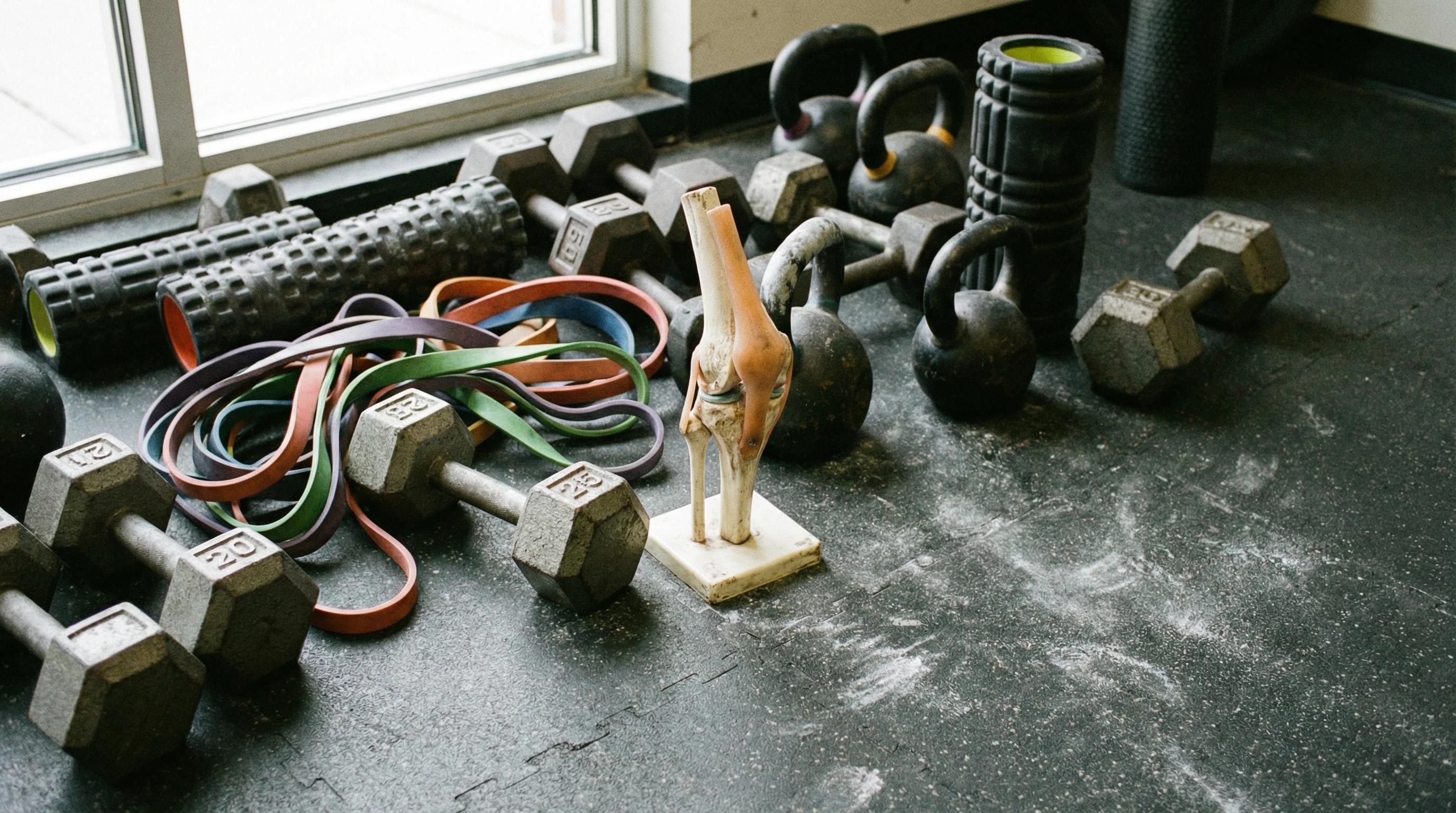
What Is Joint Mobility?
Joint mobility refers to how freely a joint can move through its intended range. Each joint in the body has a particular movement pattern and range it’s designed for. For example, your shoulder can circle in many directions, while your knee mainly bends and straightens. If mobility is low, joints feel stiff or restricted, and everyday movement becomes uncomfortable. Good joint mobility supports pain-free living and lowers the risk of injury, especially while exercising.
Mobility should not be confused with flexibility. Flexibility describes stretching of soft tissues, like muscles, while mobility is about how a joint moves as a whole. I find it’s helpful to remember that someone can be flexible but still have limited mobility if the joint itself is stiff.
How Strength Training Affects Joint Mobility
I used to believe that regular strength training would make me less mobile, but research tells a different story. Proper strength training, especially when exercises use a full range of motion, seems to benefit joint mobility. When I use fullrange movements in exercises like squats or shoulder presses, I’m training both muscles and the joints to become stronger and more adaptable.
When lifting weights with an intentionally controlled movement from start to finish, not only do muscles become stronger but joints experience positive stress. Over time, this can increase the joint’s ability to move comfortably.
- Improved Joint Health: Movement with load helps circulate synovial fluid in the joint. This special fluid keeps the joint lubricated, which reduces friction and helps cartilage stay healthy.
- Muscle Balance: A balanced strength routine helps support joints. Weak or tight muscles can pull joints out of alignment, so building even strength around a joint is really important.
- Range of Motion Gains: Studies have shown that strength training through a full range of motion can actually increase flexibility and joint mobility, not reduce it.
Some extra benefits come from strength training as well. Training with resistance can help maintain bone density, which supports joint health in the long term. Also, learning good technique and form reduces joint stress, making your workouts safer and more effective overall.
Key Principles For Safe and Effective Strength Training
When my goal is to boost strength without sacrificing how my joints move, a few principles keep things on track. They’ve worked for me and many others I’ve worked with as a coach.
- Focus on Full Range of Motion: Move each exercise from start to end of your range. Don’t cut a squat short or skip the last bit of a bicep curl.
- Progress Weight Gradually: Challenging your body is good, but big jump in weights can put strain on joints or tendons before they’re ready. Slow increases give both muscle and connective tissue time to adapt.
- Balance Strength: Train muscles on all sides of a joint. For example, work on both your chest and your back to help balance your shoulders.
- Warm Up Properly: Active warmups that involve gentle, dynamic movement help prep joints for heavier lifting later in the session.
If you’re new to strength training, consider starting with lighter weight and using bodyweight exercises first. These allow you to master the movements and establish healthy joint and muscle control before adding more resistance. Making sure to rest adequately between sessions lets your joints and tissues recover, building resilience in the process.
Common Myths About Strength and Mobility
I run into a lot of confusion and outdated advice around strength training and mobility. Here are a few myths I hear most often, along with what I’ve learned to be true.
- Myth: Lifting weights always makes you stiff.
Reality: If you train with proper form and full movement, lifting can actually make you more mobile. Stiffness typically comes from incomplete range movements or not moving enough outside of the gym. - Myth: Only stretching leads to better mobility.
Reality: Stretching is helpful, but combining it with joint movement under resistance can deliver better results for both strength and mobility. - Myth: Strength athletes don’t need to worry about mobility.
Reality: Lack of mobility can cause long-term injuries or limit performance. Most experienced athletes include mobility drills in their routines to keep joints working well.
It’s also sometimes said that age makes it impossible to improve joint mobility, but the reality is that both young and older adults can see progress in joint range and comfort with regular strength and mobility training.

Sample Strength Exercises That Support Joint Mobility
Based on what I’ve learned and practiced, some strength exercises are particularly helpful for keeping joints happy. They train both strength and range of motion at the same time. Here are a few that have earned a spot in my weekly routine:
- Goblet Squats: Holding a weight at your chest while squatting deep helps open up hips and knees, training them to move through their full range while loading the muscles for strength.
- Overhead Presses with Dumbbells: Doing overhead presses with dumbbells forces each shoulder to work independently, encouraging better shoulder joint movement.
- Romanian Deadlifts: This movement stretches and strengthens the hamstrings while training hips to hinge efficiently, which is great for overall hip mobility.
- Split Squats: Focusing on one leg at a time allows you to work on balance, hip opening, and deep knee flexion. I notice this one helps my hips and knees feel smoother during daily movement.
You can also add in simple bodyweight moves like glute bridges, wall slides, and arm circles. These exercises, even without added resistance, help keep your joints moving well and add variety to your workout plan.
Challenges And Solutions For Maintaining Mobility While Strength Training
Like many people starting strength work, I hit a few speed bumps in keeping my joints moving well. Common challenges are muscle tightness, soreness, and sometimes joint discomfort. Here’s how I handle these hurdles now:
Dealing With Muscle Tightness
When I start a new strength routine or increase my weight, sometimes muscles get tight. I add a short mobility sequence before each workout, focusing on moves like arm circles, hip swings, and active lunges. This helps get the joints and muscles moving freely.
Preventing Soreness and Joint Discomfort
I used to push as hard as possible every session, which sometimes led to achy joints the next day. Now, I stick to sensible weight progression and allow at least one full rest day each week for recovery. If any particular joint feels off, I spend extra time warming up with light, joint-specific movements, and I don’t hesitate to ease up on weight or reps.
Mixing In Mobility Work
I blend short mobility drills into my lifting sets. After a heavy strength move, I’ll do a dynamic stretch like a deep lunge twist. This keeps muscles loose and joints prepared for the next exercise.
Integrating Mobility and Strength for Everyday Life
Building both strength and mobility isn’t only for athletes or gymgoers. In my daily life, carrying groceries, playing with my kids, or sitting for long stretches is easier when my joints feel good and my muscles feel strong. Strong, mobile joints also help me avoid common injuries like strains, sprains, or back pain.
- Example from my week: I like to do simple mobility routines on rest days. Things like ankle circles, thoracic rotations, and hip openers give my body a break from heavy lifting but still keep my joints moving in every direction. I find that these routines, paired with regular strength workouts, make daily tasks more comfortable and pain-free.
Even if your day doesn’t include a workout, getting up to stretch and move joints through their range a few times can help counteract long hours at a desk or sedentary activities.
Frequently Asked Questions
Here are a few questions I see or get from friends whenever we talk about strength training and joint mobility.
Question: Can I improve my mobility if I already have stiff joints?
Answer: Yes, you might need to focus more on fullrange strength exercises and regular mobility work. Progress can be gradual, but most people see improvement over time.
Question: Do I need to do both mobility exercises and strength training separately?
Answer: Combining both in one session can be really effective. You can also dedicate some sessions to strength and others to mobility, depending on your schedule and needs.
Question: Will strength training eliminate the need to stretch?
Answer: Stretching is still helpful, especially after workouts or on days when you feel stiff. A mix of both keeps muscles loose while developing strength.
Bringing It All Together
Understanding how strength training and joint mobility go hand in hand helps me feel and move better every day. With fullrange movements, smart progression, and a dose of targeted mobility work, my joints feel healthy even as my strength goes up. Staying consistent with both pieces of the puzzle leads to longerlasting results for both gym goals and daily comfort.