
If you spend a lot of time sitting at a desk, working on a computer, or driving, chances are you’ve felt some tightness or discomfort in your upper back. I’ve dealt with this myself, especially after long workdays. Thoracic spine mobility can make a big difference in how your body feels and in your overall posture. In this guide, I’m going to share practical exercises and tips you can use to loosen up your thoracic spine and support better posture day to day.
Why Thoracic Spine Mobility Matters for Posture
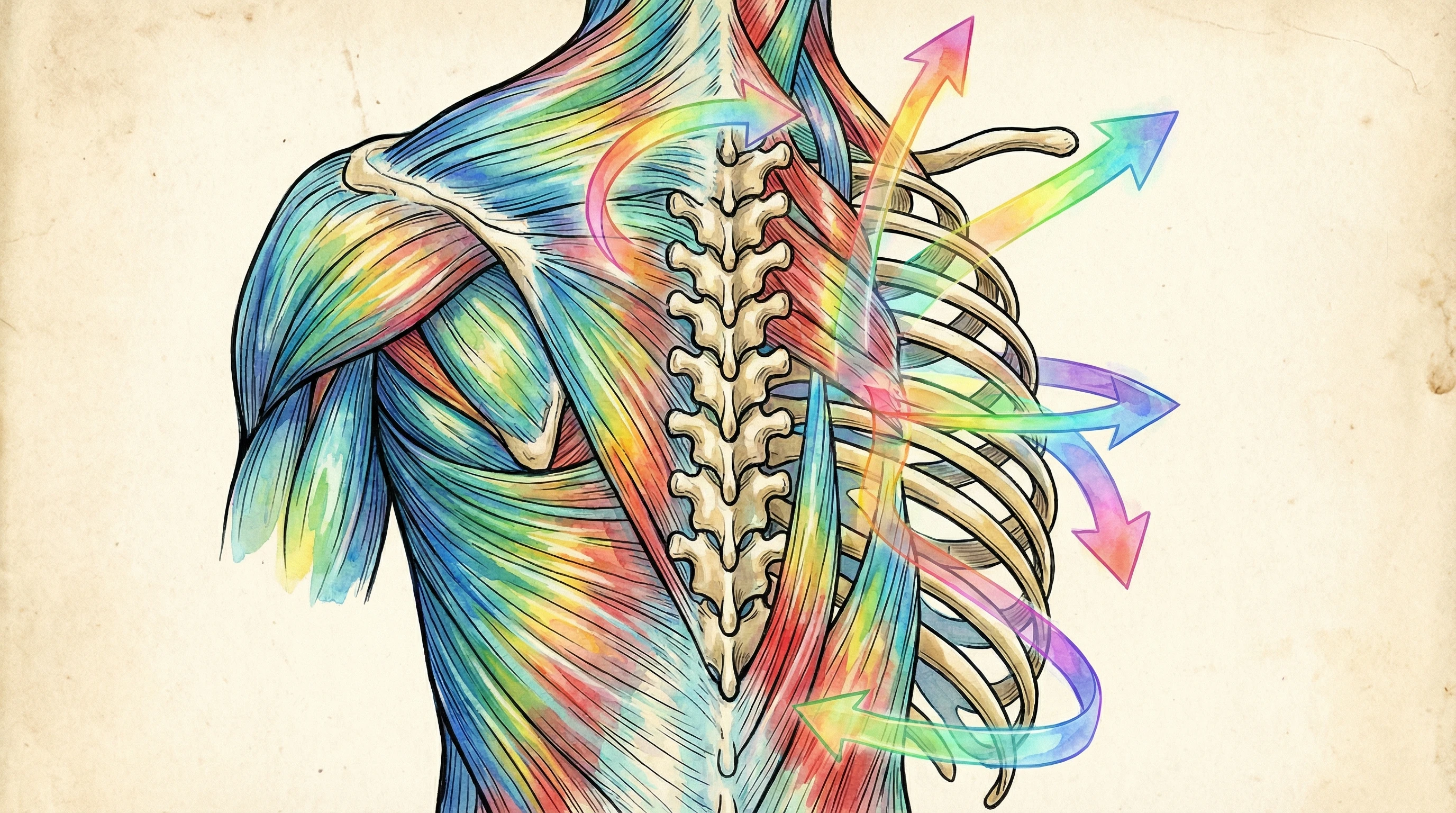
The thoracic spine is the middle segment of your back, sitting between your neck and lower back. It supports your rib cage and plays a big role in how your shoulders and upper body move. When this area gets stiff, I notice that my posture easily shifts forward; shoulders round, and my chest collapses. This is a really common problem for anyone who sits a lot or does repetitive work.
Poor mobility in the upper back can cause chain reactions. For me, stiff thoracic joints can lead to neck pain, tight shoulders, or even limit my ability to take a deep breath. By keeping this area mobile, I find it easier to sit and stand upright, look more confident, and avoid unnecessary aches.
Various studies, like this one from the National Institutes of Health, highlight that limited upper-back movement is closely linked to postural issues and can even contribute to shoulder injury risk.
Understanding the Thoracic Spine and Its Movements
Your thoracic spine, made up of twelve vertebrae labeled T1 through T12, allows your back and ribs to twist, flex (bend forward), and extend (arch backward). Over time, certain daily habits, especially excessive sitting and device usage, restrict these movements. I’ve noticed that when I don’t move my upper back enough, it feels much harder to look over my shoulder or straighten up after long periods of slouching.
The main movements to focus on are:
- Extension: Arching your back or lifting your chest.
- Rotation: Twisting your upper body sidetoside.
- Lateral flexion: Bending sidetoside.
Improving these motions can directly help your posture. I’ve found that just five to ten minutes of targeted exercises a few times a week can loosen up my upper back and keep me feeling more upright.
Simple Thoracic Spine Mobility Exercises
I’ve tried many exercises over the years, and these moves stand out for their simplicity and effectiveness. You don’t need special equipment. Sometimes I just use a rolledup towel or a foam roller, but even bodyweight versions work well. Here are some of my goto drills for opening up my thoracic spine:
- Thoracic Extensions on a Foam Roller: I lie down with the foam roller under my upper back, feet flat and knees up. Gently arching my upper back over the roller, I move up and down by a few inches, repeating the arching motion five or six times at each spot. This one feels especially good if I’ve been at my desk all day.
- Open Book Stretch: Lying on my side with knees bent, I extend my arms straight out from my chest, palms together. I slowly move my top arm across my body, opening my chest as if turning a page in a book, then bring it back. I do this eight to twelve times, then switch sides. I love this for chest and side body opening.
- Quadruped Rotations: On hands and knees, I take one hand behind my head and twist slowly to bring my elbow up toward the sky, then back down. I repeat eight to ten reps per side, going slow and breathing.
- Thread the Needle: Also from hands and knees, I reach one arm under my body and across to the other side, letting my shoulder drop toward the floor. I hold for a few seconds, then return and repeat. This helps target rotation when I’m stiff.
- Seated CatCow: Sitting with feet flat, hands resting on my knees, I alternate arching and rounding my upper back, exaggerating movement through my thoracic area for ten to fifteen reps.
Consistency is really important here. I notice the biggest difference when I include these moves in my warmup or as a desk break.
Tips for Making Mobility Training Work for You
I’ve learned a few things about staying consistent and making thoracic mobility part of regular selfcare:
- Doing these exercises before or after my regular workouts helps my body get the most out of strength training.
- Tying mobility practice to an everyday habit (like brushing my teeth or morning coffee) helps keep me on track without much extra effort.
- Focusing on small changes and listening to my body works best. Some days I only do one or two moves, other days the full routine.
Mobility isn’t just about the upper back; sometimes I need to check in on tight hips, shoulders, or my neck too. I use mobility days as a reset after intense training or heavy work sessions. Paying attention to all areas means I move and feel better overall, even beyond my thoracic spine.
What to Watch Out For: Common Challenges and How to Adjust
Everyone’s body is a little different, so it’s really important to listen to what your own joints and muscles are telling you. Here are some common bumps in the road I’ve run into, along with how I get around them:
- Discomfort or Pinching: If any of these moves cause nerve pain, pinching, or sharp discomfort, I stop right away. Usually, this just means adjusting my position or making the movement smaller. If pain persists, I check in with a physical therapist.
- Tightness in Other Areas: Sometimes when my thoracic spine is stiff, nearby areas like my lower back or neck try to compensate. Keeping my movements slow and controlled helps target the right spot. If tightness isn’t improving, I add some gentle stretches for my lats or chest.
- Overdoing It: I used to go hard on mobility drills, thinking more was always better. Now, I focus on quality of movement, not just quantity, and take rest days when needed.
Red Flags
If you notice new tingling, numbness, or loss of control in your arms or legs, stop the exercises and reach out to a healthcare provider. Most minor aches resolve with simple movements, but it’s really important to get medical advice if you have symptoms that don’t feel right.
How Thoracic Mobility Supports Daily Activities
Having a mobile upper back isn’t just about posture. I notice improvements in many other areas when I stick to mobility work:
- Better Breathing: With less restriction through my upper spine and ribs, I find it easier to take full, deep breaths. This makes a real difference during exercise or even casual walks.
- Fewer Shoulder and Neck Issues: Keeping my thoracic area moving well prevents strain elsewhere, cutting down on the headaches and tension I sometimes get after a long day. My neck feels less tight, and my shoulders don’t ache as much at the end of the week.
- Improved Strength and Sports Performance: I feel more stable in overhead lifts and can rotate further during activities like swimming or golf when my upper back is loose. Plus, everyday movements, from picking up groceries to playing with kids, just feel easier.
A mobile thoracic spine often means fewer injuries and less discomfort overall. Studies support these experiences, showing that thoracic mobility can influence both posture and athletic movement quality (PubMed study).
Everyday Equipment for Home Mobility Routines
I keep things straightforward with homefriendly tools. Here’s what usually works best when I want to step up my routine:
- Foam roller; affordable and great for spinal extensions.
- Yoga blocks; help support the body and step up stretches.
- Bands or straps; useful for deepening some rotation stretches.
- Rolledup towel; works in place of a foam roller, especially if you’re just starting out.
Most days, I just use a mat and a towel or my hands. No need for fancy gear unless you want to invest in longterm support equipment. Doing these routines at home makes it easy to stick with them and see steady progress over time.
Frequently Asked Questions
Here are a few questions I’m often asked when it comes to thoracic mobility exercises:
Question: How often should I do thoracic spine mobility exercises?
Answer: I find that three to five times per week works well for general maintenance. On days I’m really tight, even a quick routine helps.
Question: Should I stretch or strengthen my upper back?
Answer: Both are important. Mobility exercises improve movement, but pairing them with some basic upper back strengthening moves, like band pullaparts or rows, helps support good posture.
Question: Can these exercises help with pain?
Answer: Many people, myself included, feel less tightness or discomfort after a week or two of consistent practice. If pain is sharp or doesn’t get better, talk to a professional.
Bringing Thoracic Mobility Into Your Routine
When I make thoracic spine mobility a regular habit, I notice I carry myself straighter, my shoulders sit back more naturally, and I have less pressure building up in my upper back. Small, regular sessions add up to a noticeable difference. Even if I only have a couple minutes, doing one or two mobility moves can help me reset after a long meeting or a busy day.
If you’re new to these exercises, start slow and pay attention to your body. Try a few movements, keep what feels good, and build up over time. Your upper back will thank you, and your posture will reflect these changes before long. Consistency really pays off, and taking care of your thoracic spine gives a boost to how you feel every single day.