
Getting my hips ready for weightlifting sessions is something I never skip. Hip mobility plays a huge part in achieving depth for squats, staying stable during deadlifts, and moving safely through Olympic lifts. If I don’t do a solid warm-up, I end up feeling stiff and my performance drops. Over time, I’ve learned that a dynamic hip opening warm-up sets the foundation for strong, pain-free lifting. Here, I’m going to walk you through why hip mobility matters, which dynamic exercises work best, how I sequence my warm-up, and useful tips for sticking with the routine.
Why Hip Mobility Is Really Important for Weightlifters
When I started lifting heavier weights, I realized my hips weren’t moving as freely as I needed. Tightness restricted my squat depth and made certain movements feel awkward. The hip joint is a ball and socket joint, which can allow multidirectional movement if it’s mobile and stable. Good hip mobility helps me get deeper into squats, maintain strong deadlift positions, and transfer power during cleans and snatches.
Lifting with stiff hips affects the way I move, often forcing my knees or lower back to pick up the slack. This is one of the top causes for nagging aches and even serious injury. Mobility and dynamic stretching keep my hips moving smoothly, letting joints and muscles move naturally through the positions required during training. I notice much more control and power in my lifts when I take hip prep seriously.
Benefits of a Dynamic Hip Opening Warm-Up
I used to spend most of my warm-up time doing static stretches, but dynamic movements made a real difference. Dynamic stretches are active movements that help me move my joints through full ranges of motion while building some heat in my muscles. This kind of warm-up does several things at once:
- Boosts blood flow: My hips feel warmer and ready to move, decreasing stiffness right from the beginning.
- Wakes up the nervous system: Muscle activation improves, helping me fire the right muscles during lifts.
- Prepares my joints: My hips and surrounding tissues are better prepared for the deep flexion and rotation that squats, cleans, and snatches require.
- Reduces risk of injury: When my hips move freely and muscles are warm, I’m less likely to strain my lower back or knees.
Making my warm-up dynamic, instead of just static stretching, has made my hip movements feel smoother and more powerful.
Key Hip Opening Movements I Use Before Lifting
The right dynamic movements help open my hips and get my muscles primed for action. Here are the warm-up exercises that work best for me:
- World’s Greatest Stretch: I move into a deep lunge with both hands on the floor, rotate my chest toward my front knee, and reach one hand to the ceiling. This stretch hits multiple hip flexor and adductor muscles.
- Lateral Lunges: Stepping sidetoside and sitting deep into each hip helps loosen up my inner thigh muscles and builds lateral stability.
- Leg Swings: Swinging one leg forward and backward, then side to side, loosens up my hip flexors, hamstrings, and adductors. I do about 10 to 15 swings each direction.
- 90/90 Hip Rotations: I sit with both knees bent at 90 degrees (one leg in front, one leg to the side), then rotate my legs to switch sides. This targets rotation and internal and external mobility in my hip.
- Hip Circles: Standing with knees slightly bent and feet shoulder width apart, I make gentle circular movements with my hips, working both clockwise and counterclockwise. This is a gentle way to prep for bigger movements ahead.
- Glute Bridges: Lying on my back with feet flat on the floor, I press my hips up, squeezing my glutes at the top. This wakes up my glutes and gets them ready for action.
I often mix and match these exercises based on how I’m feeling and what lifts I’m focusing on that day. When pressed for time, I focus on the big three: World’s Greatest Stretch, leg swings, and glute bridges.
A Step-by-Step Dynamic Hip Warm-Up Routine
When putting together my personal hip warm-up, I like having a reliable order to follow. This keeps me locked in and ensures nothing gets skipped. Here’s a routine I’ve used that covers all the key areas I mentioned above. Total time: about 8 to 10 minutes.
- Hip Circles (30 seconds each direction): Gentle movement to start loosening up.
- Leg Swings (15 reps each direction): Standing near a wall or rack, swinging forward and backward first, then sidetoside.
- Lateral Lunges (10 reps per side): Step wide, sit into one hip, push back up, repeat for each leg.
- World’s Greatest Stretch (8 reps per side): Deep lunge, rotate the chest, reach to the sky, and open up those hips.
- 90/90 Hip Rotations (10 reps total): Sit, rotate to each side, and gently lean into each hip as you move.
- Glute Bridges (15 to 20 reps): Control the movement, pause at the top, feel the glutes activate.
I adjust the number of reps based on how tight I’m feeling or how intense my training session will be. On heavy squat or Olympic lifting days, I slow down and add an extra set where needed.
Common Challenges and How I Tackle Them
- Feeling rushed: Sometimes I’m short on time, but skipping warm-ups almost always makes my hips stiffer during lifting. Even five minutes on the main movements helps loosen things up. I pick two or three key exercises when I need to be quick.
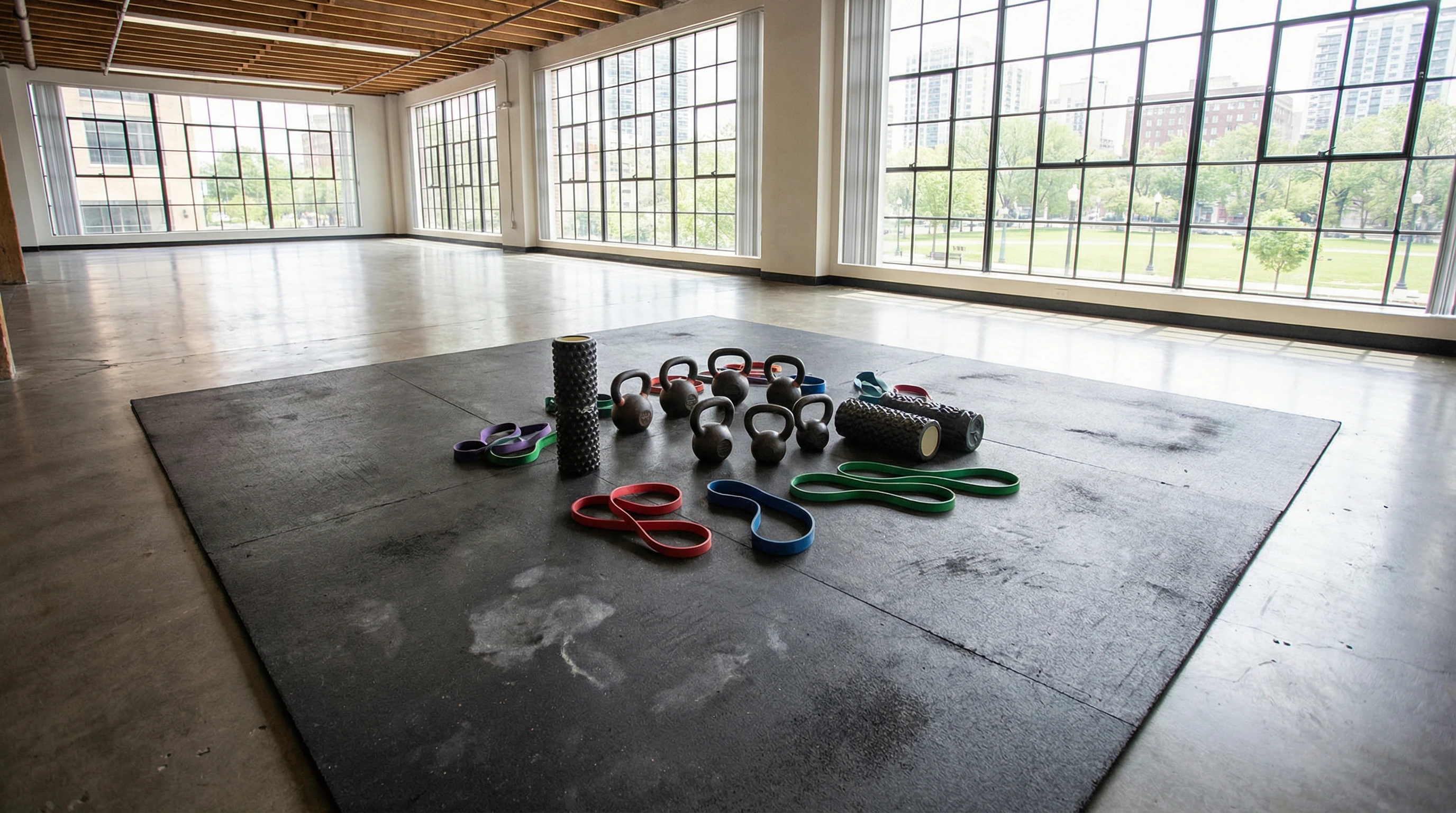
- Plateauing mobility: If I notice that my hip range isn’t improving over time, I try foam rolling my glutes and quads or adding banded distractions before my dynamic routine. This mixes things up and helps loosen stubborn muscles.
- Boredom: Doing the exact same warm-up every day sometimes gets repetitive. I keep things interesting by switching from bodyweight warm-ups to using resistance bands or sliders. This challenges my mobility and adds variety.
- Unilateral tightness: Some days, one hip feels tighter than the other. In those cases, I add extra reps on that side or hold stretches for a couple seconds more.
Modifications and Equipment I Use
Sometimes, using minimal equipment helps me open my hips more effectively:
- Mini Bands: Putting a miniband around my knees during glute bridges really fires up my glutes and outer hips.
- Foam Roller: Rolling out tight glutes and quads for a minute before my dynamic work helps break up stiffness.
- Sliders: I use sliders under my feet to do deep reverse lunges, stretching my hip flexors even more.
Most days, I use just my bodyweight for the full warm-up, so I can do this routine in almost any gym or at home.
Why Consistency Is Super Important
No matter how good my hip warm-ups are, they work best when I do them before every session. Even when things feel easy, consistency keeps my hips loose, strong, and able to handle whatever lifts I’m planning that day. Skipping my routine makes tightness build up fast, often leading to poor form or tweaks in my squat and deadlift technique.
Sticking to a routine also gives me a quick mental checkpoint; if I notice pain or a big difference from my usual range of motion, I can adjust my training right away. Listening to how my hips feel during my warm-up usually tells me a lot about the rest of my body too.
Frequently Asked Questions
These are the questions I hear most often about hip mobility for weightlifters.
Question: How long should I spend on a hip warm-up before lifting?
Answer: I usually spend about 8 to 10 minutes on my hip warm-up. On heavy days or when I’m feeling stiff, I might add a few extra reps or do a second set of my main movements.
Question: Is it better to do static or dynamic stretches before weightlifting?
Answer: Dynamic stretches get muscles warm and the nervous system ready to go, so that’s my pick before lifting. I save static stretching for after my workouts or on recovery days.
Question: What should I do if my hips still feel tight after my dynamic warm-up?
Answer: If I notice tightness, I might add some foam rolling to my glutes and quads, or hold onto a stretch for a little longer. Sometimes, doing extra reps or using a resistance band can help wake up stubborn muscles.
Hip Mobility in Everyday Life
I’ve found that hip mobility work helps me beyond just my training sessions. Walking, taking the stairs, and other everyday movements feel easier. If I sit for long periods, spending just a few minutes each day on hip circles, lunges, or bridges can keep stiffness in check. It’s not just about lifting more weight in the gym, but moving better overall. Since starting these hip mobility routines, I’ve noticed improvements in my posture and overall comfort during runs, hikes, and even recreational sports. The benefits stretch into all aspects of movement, helping prevent those common twinges or stiffness that can creep in from desk jobs or long commutes. Incorporating this routine into my daily schedule has become second nature, and it’s truly worthwhile for long-term mobility.
Making Hip Mobility a Priority in Your Weightlifting Routine
Dynamic hip warm-ups are now a nonnegotiable part of my training routine. They make my squats, deadlifts, cleans, and snatches feel smoother and stronger. More importantly, they keep aches and pains away, helping me train safely and consistently over time. Anyone who wants to lift stronger and move better, while reducing the risk of annoying injuries, can benefit from adding just a few minutes of dynamic hip mobility to their warm-up ritual. Keeping hip mobility front and center will help set the stage for better movement and strength gains in the long run.