Foam rolling has become a regular part of my routine for joint relief and muscle recovery. Rolling out tight spots not only loosens up my muscles, but also makes daily movement feel smoother and more comfortable. If you’re new to foam rolling, you might be unsure where to start or what exactly it can do for your joints. I’ll walk you through the key ideas, benefits, and techniques so you can use foam rolling safely and with confidence.
Understanding Foam Rolling and Joint Health
Foam rolling is a self-massage practice that helps release muscle tightness and improves flexibility. I use it to target my sore areas after workouts, but it’s just as effective for people dealing with joint stiffness from sitting or everyday activities. When my muscles feel tight, they can pull on the joints, making simple movements uncomfortable. By easing the tension in these areas, I notice less pressure around my knees, elbows, and hips.
Research published in the Journal of Sports Sciences suggests that foam rolling can improve range of motion without reducing muscle performance. This makes it a smart choice for anyone wanting to keep their joints healthy and mobile. The popularity of foam rolling continues to rise, and you can see these simple tools everywhere from gyms to physical therapy offices.
Foam Rolling Basics: Getting Started
Foam rolling doesn’t require much to begin. I started with a standard roller and picked up simple techniques while watching short guides online. If you’re ready to try, here’s what you’ll want to know first:
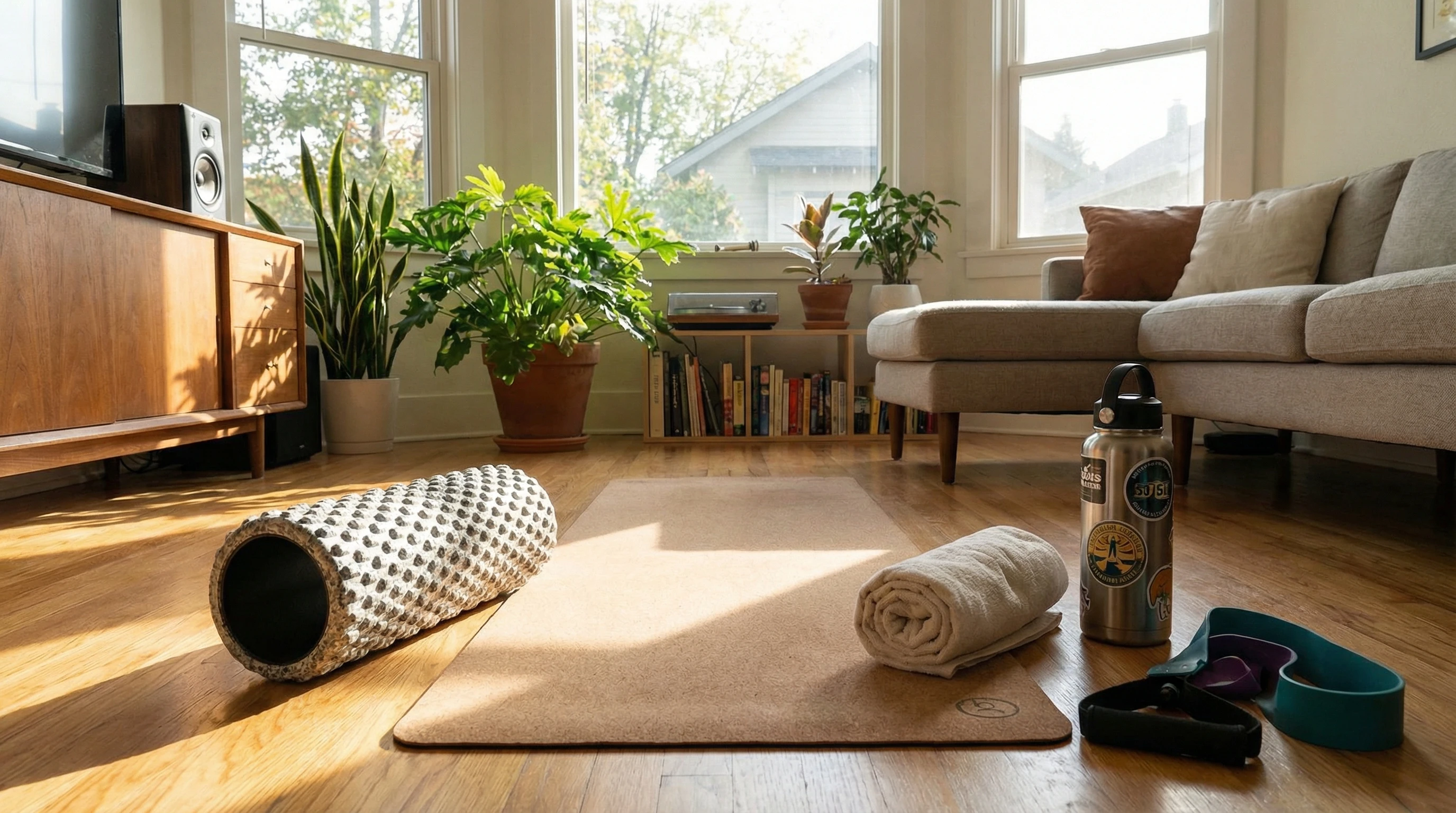
- Foam Roller Type: There are different firmness levels and textures. I find smooth, mediumdensity rollers are comfortable for beginners and still get the job done.
- Target Areas: The most common spots include thighs, calves, backs, glutes, and the areas around larger joints.
- Rolling Technique: Move slowly and apply gentle to moderate pressure. If you hit a tender spot, hold still for a few seconds and let the tension ease up.
If you’re new, start slow, use brief sessions (around 30 seconds per muscle group), and always stop if you feel sharp pain. Mild soreness is normal, but foam rolling shouldn’t make you feel worse.
How Foam Rolling Supports Joint Relief
Joint pain often comes from tight or overworked muscles pulling on the joints. When I spend long hours sitting or after a tough workout, my joints can feel stiff. Foam rolling helps by loosening up the muscles and connective tissue (fascia) that can contribute to that discomfort.
The process works like this: as you roll, you apply pressure to muscle knots or trigger points. This pressure boosts blood flow, breaks down minor adhesions, and helps the tissue relax. As the muscles loosen, they pull less on the area around your joints. For me, this means less knee stiffness when I go for a walk or get up from my desk.
Research found in the International Journal of Sports Physical Therapy explains that foam rolling can increase joint mobility, especially when paired with stretching. Results aren’t instant magic, but even just a few sessions made a difference in the way my joints felt during busy days.
Practical Foam Rolling Tips for Beginners
I picked up some helpful habits along the way that make foam rolling safer and more effective:
- Start with Large Muscle Groups: Focus on quads, hamstrings, calves, and glutes first. These muscles are connected to major joints and respond well to rolling.
- Don’t Roll Directly on Joints: Always keep the roller on the muscles and never roll directly over knees, elbows, or ankles. This keeps pressure on soft tissue, not the actual joint.
- Roll Slowly: Move the roller an inch at a time. Lingering over trouble spots (for 20 to 40 seconds) helps release tension more thoroughly.
- Breathe: I stay relaxed by exhaling slowly and avoiding holding my breath when I find a tight spot.
- Hydrate: Drinking water after rolling helps my body clear out the waste products released from the tissue.
Working foam rolling into my routine three to five times a week, for just 10 minutes at a time, made it easier to manage stiffness and move comfortably.
Things to Consider Before Buying a Foam Roller
Choosing a foam roller can feel overwhelming with all the shapes and options out there. I found these factors useful when picking one for myself:
- Firmness: Softer rollers are gentler for beginners or anyone sensitive to pressure. Firm rollers deliver deeper release but can be uncomfortable at first.
- Size: Longer rollers (36 inches) work for fullbody rolling. Shorter ones are better for travel or targeting smaller areas.
- Surface Texture: Smooth rollers offer even pressure, while textured rollers can dig into knots more deeply. I started with smooth and switched to a textured one as I got used to it.
- Material: Most foam rollers are made of EVA foam or EPP foam, which hold their shape well over time.
Other Helpful Accessories
After I got used to my roller, I tried a massage stick and a small massage ball. These work great for small areas near the joints, like around my shoulders or behind my knees, where a regular roller can’t reach easily. Massage sticks are especially handy because you can use them while sitting or standing, giving a boost to your warmups or cooldowns. A massage ball is perfect for digging into foot arches or the space between your shoulder blades, providing targeted relief where you need it most.
Rolling Frequency and Safety
Rolling too aggressively or too often can lead to bruising or increased soreness. When my muscles are extra sore, I skip or use much lighter pressure. Listening to my body helps avoid making things worse. Always ease into new routines and allow time for your muscles to recover between sessions.
If you experience persistent discomfort that doesn’t improve or have underlying medical conditions, check in with a healthcare provider before adding foam rolling to your day. That way you can make sure it’s the best choice for your needs.
Common Challenges and How to Deal With Them
Foam rolling has a low risk of causing problems if done the right way. Some uncomfortable areas or mistakes are pretty common, though:
- Painful Spots: Everyone has sore places that feel intense or almost sharp. I stay on the edge of this discomfort but never push through real pain.
- Roller Slips: Using the roller on a carpet or mat gives better grip. Slipping can make rolling awkward and less effective.
- Bruising: Too much pressure for too long can bruise muscle tissue. I use lighter pressure and shorter sessions if I see any bruising.
- Lack of Consistency: It’s easy to forget to foam roll regularly. I set reminders or add it to my workout calendar so I keep my joints feeling their best.
For anyone who sits at a desk all day or does repetitive activities, try adding short rolling sessions to your morning or evening routine. Your joints will thank you for the consistent care.
Advanced Foam Rolling Tips for Joint Relief
Once the basics felt easy, I found some extra ways to get more benefits:
Combine With Stretching: After rolling, gentle stretches help lock in the gains in flexibility and comfort around my joints.
Target the IT Band: Rolling along the outer thigh can help with knee and hip tension. This area is often sore, so I keep my weight supported with my hands and roll gently.
Use a Peanut Roller for the Spine: Special “peanut” rollers cradle the spine while massaging the muscles along each side. This has been soothing for my upper back and neck, which sometimes cause headaches or shoulder stiffness.
Taking time to explore different roller tools can also add to your results. Experimenting with foam rollers of varying densities and shapes allows you to track down what works best for your needs. As your comfort level grows, you might also adjust your rolling speed or technique, mixing in slower rolls or brief pauses on stubborn knots.
Real-World Examples of Foam Rolling in Action
I began foam rolling to ease soreness after running. Focusing on my calves and thighs, I was able to reduce that familiar tightness behind my knees and in my hips after longer workouts. Another example: my friend has a desk job that gives her stiff shoulders. Foam rolling her upper back and lats made a noticeable difference in her comfort during the day, so she made it part of her daily routine.
- Athletic Recovery: After intense training, runners and cyclists frequently use foam rolling for leg and hip relief.
- Desk Workers: People who sit for long hours rely on rolling their backs and hips to keep those joints from getting tight or achy.
- Aging Adults: I know some older adults who use foam rolling as part of their joint health strategy. It helps maintain mobility and manage the general stiffness that can come with age.
Foam rolling has even found a place among physical therapists who recommend it for postinjury recovery or rehabilitation. By gently working scar tissue and tight fascia, it can support sustained comfort and range of motion in stubborn joints.
Frequently Asked Questions About Foam Rolling and Joint Relief
I often hear these common questions from friends and clients learning about foam rolling:
Question: Can foam rolling help with arthritis?
Answer: Foam rolling can ease stiffness and muscle tension around arthritic joints, but it’s important to talk to a healthcare provider, especially if pain is severe or surfaces suddenly.
Question: How long should I foam roll each day for joint relief?
Answer: Most people start with 5 to 10 minutes per session, focusing on each muscle group for under a minute. Giving the body time to adjust helps avoid extra soreness.
Question: Can foam rolling replace stretching?
Answer: Foam rolling and stretching work well together. I usually roll first to release tension, then follow with gentle stretching to improve flexibility.
Question: What if foam rolling feels too intense?
Answer: Try a softer roller, roll with less body weight, or focus on rolling less sensitive areas first until your body adjusts. If discomfort continues, stop and check in with a health professional.
Foam Rolling as a Practical Tool for Everyday Relief
Foam rolling offers a practical, accessible way to support joint comfort for people at any fitness level. Whether I’m recovering from a workout or dealing with everyday muscle tension, spending a few minutes rolling makes my joints feel less restricted and more comfortable. Consistency and the right technique go a long way. Anyone thinking about foam rolling for joint health can start with the basics and adjust as comfort and skill increase.
Adding foam rolling to an existing routine can make everyday movement easier, helping you stay comfortable, active, and mobile for years to come. With a little practice and patience, you’ll be able to keep your joints moving freely on every adventure. The more you use your foam roller, the more confident and relaxed your joints will feel, leading to better overall well-being.