Pilates has gained a reputation as a popular form of exercise for people of all ages, fitness backgrounds, and body types. One benefit I have personally noticed, and which attracts many people to this method, is its effect on joint flexibility. My own experience with Pilates began after a long stretch of dealing with stiff knees and tight hips from desk work and running. I was genuinely surprised at how much more mobile and comfortable my joints felt after sticking to a consistent Pilates routine. I’ll walk you through what I’ve learned about how Pilates supports joint flexibility, how it works, and why it could make a difference for you.
The Basics: What Is Pilates and Why Does It Matter for Joint Flexibility?
Pilates is a form of exercise that focuses on controlled movements, deep breathing, and a strong mindbody connection. It was created by Joseph Pilates in the early 20th century; it was first used to help rehabilitate injured soldiers and dancers. The exercises target the core (abs, back, hips, and pelvis) while working the rest of the body through precise, slow, and deliberate motions. After years of practicing Pilates, I can say that this approach brings a calm strength to everyday movement, especially around the joints.
Pilates has always been about keeping the body moving in a healthy way. Instead of jumping or pounding movements, it uses gentle but challenging exercises that aim to increase your body’s range of motion. This is really important for flexibility because stiff joints and tight muscles can limit how you move and affect your comfort in daily life. Pilates stands out for its lowimpact nature, making it accessible to people who want better flexibility without risking joint stress or injury.
How Pilates Improves Joint Flexibility
When I first started Pilates, I assumed it was mostly about strong abs. I soon found out how much attention was put on joint mobility, stretching, and building stability around the joints. Here’s what I’ve learned are some of the key ways Pilates helps with joint flexibility:
- Controlled, Repetitive Movements: Pilates involves repeating smooth, consistent motions that take your joints through their full natural range. This prevents joints from becoming stuck in certain positions and encourages mobility.
- Dynamic Stretching: Unlike static stretching where you just hold a pose, Pilates often uses dynamic stretches. These stretches are woven into your exercises, so your muscles and joints lengthen in a moving way. This helps flexibility and tones down stiffness.
- Joint Alignment: Many Pilates exercises focus on proper alignment. By keeping the joints in a safe position as you move, you build flexibility while avoiding injury or strain.
- Balanced Muscle Development: Pilates targets both bigger and smaller stabilizing muscles. This balance reduces the pull of overly tight muscles on your joints, making it easier for them to move in all directions.
Physical therapists often recommend Pilates for flexibility for these reasons. My experience echoes this: with regular practice, I noticed I could squat deeper, twist my spine with less tension, and even reach my arms and shoulders farther overhead. Over time, the increased flexibility translates noticeably to better comfort and mobility throughout your daily routine.

Fundamental Pilates Equipment That Supports Flexibility
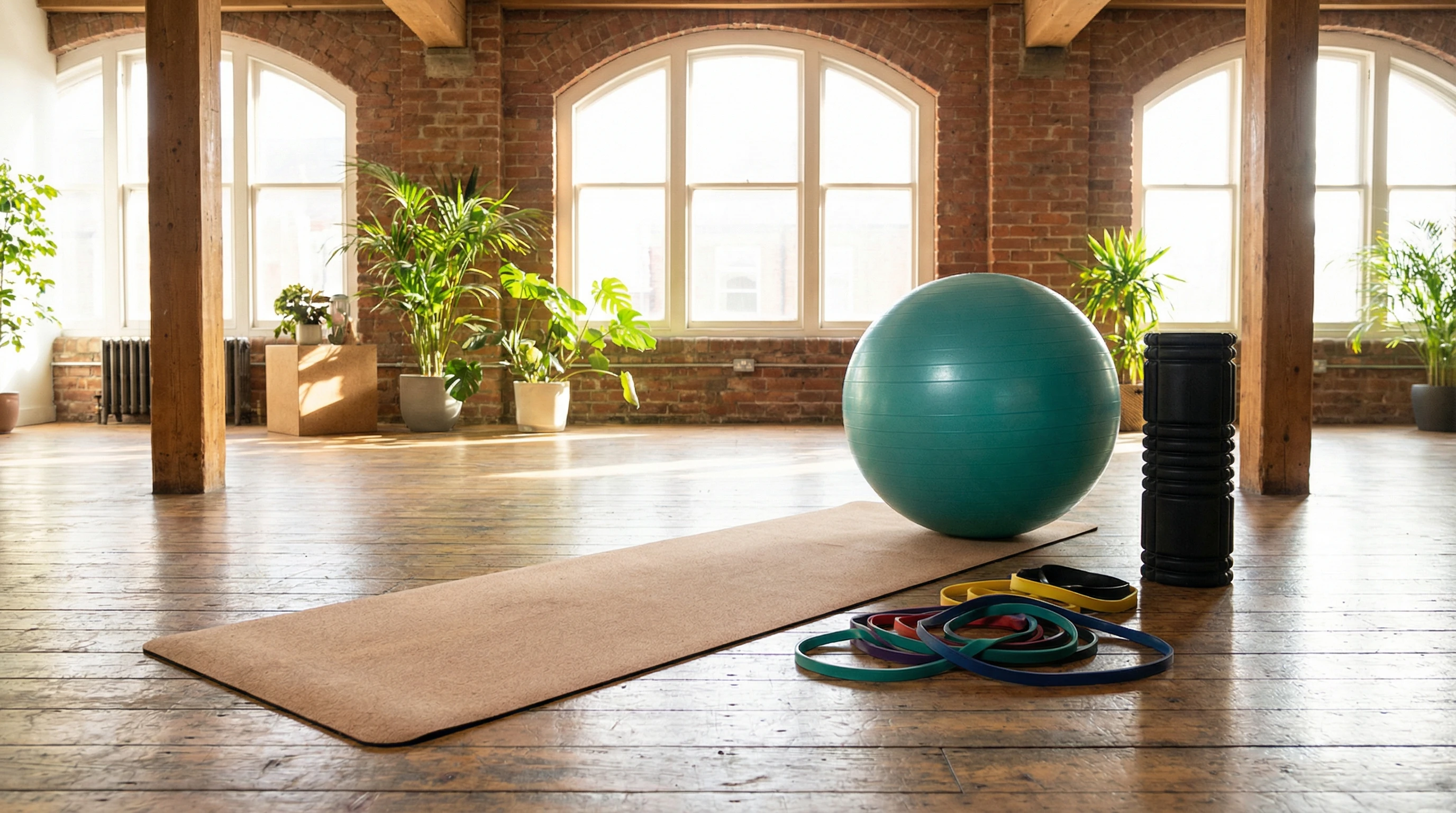
Pilates is often pictured as a matbased workout, but equipment can give a boost to the experience and results when it comes to stretching and joint health. Here are the most common tools I use and see in class that specifically encourage joint mobility:
- Mat: A standard Pilates mat provides firm padding, letting you do a wide variety of flexibilityfocused exercises directly on the floor.
- Foam Roller: Rolling out tight spots helps relax muscles and support movement around the joints before or after the workout.
- Resistance Bands: I use bands in stretches to add gentle resistance and guide my limbs into greater ranges of motion.
- Pilates Reformer: This machine uses springs and pulleys for moving resistance, allowing smoother stretches and opening up joint motion in a supported way.
Using these props, even simple stretches can become more effective. If you practice at home, a mat and a band are usually all you need to get started. Adding equipment gives you options to mix in some variety and hit different muscle groups, which supports overall joint flexibility.
Pilates Movement Principles That Step Up Flexibility
Several core principles in Pilates drive improvements in joint flexibility, and paying attention to these makes my practice far more effective. A few principles I focus on are:
- Concentration: Focusing on each movement helps you spot tight spots and adjust gently as you go.
- Breath Control: Deep, guided breaths help relax your muscles and release tension around the joints, naturally encouraging greater movement.
- Precision: Proper form means your joints track safely without unnecessary stress. I always feel safer and get better results when I slow down and focus on my alignment.
- Flow: Smooth transitions from one exercise to another help keep my joints moving freely and avoid getting stuck in stiff positions.
When these movement principles are applied, you will notice faster improvements in flexibility. Staying mindful, using your breath, and making small adjustments as you go is key.
Common Challenges With Flexibility and How Pilates Helps
When working with joint flexibility, I noticed a few typical hurdles, especially for those just starting out or returning to exercise after a break. Stiffness, previous injuries, or chronic tension can make moving some joints uncomfortable. Pilates addresses these challenges by offering modifications, props, and slow progressions so anyone can start at their level.
- Knee Discomfort: Swapping out kneeling or deep bend movements for less intense options helps keep knee joints safe while allowing gradual flexibility gains.
- Hip Tightness: Using straps or the reformer allows for deep stretches without putting strain on tight hips.
- Shoulder Restrictions: Pilates exercises teach how to stabilize the shoulder blade first, easing the joint into more range over time.
As I built a regular practice, my old knee aches and lower back tightness faded. Listening to my body is really important, and choosing movements that match my flexibility level helps me progress steadily.
Another challenge is motivation and consistency. Keeping a log, joining a class, or inviting a friend to practice with you can help you stay motivated and stick to your routine. You’ll start noticing positive results with steady effort, even if the initial progress seems small.
Stepbystep Guide to Using Pilates for Joint Flexibility
Starting a Pilates routine doesn’t need to be complicated, and you don’t need fancy gear. Here’s how I structured my flexibility work, both at home and in the studio:
- Warm Up: I always begin with gentle movements like arm circles, hip openers, or catcow stretches to get my joints ready.
- Focus On Range Of Motion: I pick exercises designed for the joints I want to improve, for example, leg circles for hips, spinal twists for back, and arm reaches for shoulders.
- Use Breath: Exhaling during stretches helps relax tight muscles and allows deeper stretches without bouncing or straining.
- Progress Gradually: As my joints feel more mobile, I add a bit more range or stay in stretches a few seconds longer. Consistency is far more important than working hard once in a while.
A typical Pilates session aiming to step up flexibility might last 30 to 45 minutes, including warmup and cooldown. Focus on making slow progress, and remember that seeing the benefits takes patience and steady practice.
Pilates in Real Life: Flexibility for Daily Activities
The real impact I noticed from Pilates is how it translated to my everyday life. Carrying groceries, reaching up to high shelves, getting up from the floor, and even walking all became easier. Better joint flexibility not only means more comfort doing daily tasks, but it also helps reduce the risk of injury, especially from unexpected twists or slips. I’ve heard from others in my class that Pilates keeps them feeling younger and makes everyday movements feel smoother and more natural.
- Improved Balance: Flexible joints support better body alignment, which means fewer stumbles or stubbed toes.
- Sitting And Standing: Pilates opens up hip and spine flexibility, which helps if you need to sit or stand for long hours.
- Sports And Recreation: Hikers, runners, and cyclists I know find Pilates helps them recover faster and stay limber for their main activities.
Some clients also report better sleep and less discomfort after a long day of physical work or play, thanks to their regular Pilates practice.
Frequently Asked Questions
Here are some common questions I’ve heard from people dipping their toes into Pilates for joint flexibility:
Question: How often should I do Pilates for better flexibility?
Answer: Consistency matters more than intensity. Most people see progress doing Pilates two to three times a week. Daily gentle sessions can help, as long as you listen to your joints.
Question: Can Pilates help with arthritisrelated stiffness?
Answer: Many people with arthritis find relief from Pilates because it’s lowimpact and keeps joints moving without heavy pressure. Always talk with a healthcare provider before starting a new routine.
Question: Do I need to be flexible to start Pilates?
Answer: Absolutely not. Pilates is designed to help you become more flexible. Modifications make it beginnerfriendly, no matter your starting point.
Final Thoughts on Pilates and Joint Flexibility
Adding Pilates to my life has kept me moving more freely and feeling better each day. The gentle yet focused movements support joint health, build flexibility, and create a feeling of ease throughout the body. Whether I practice in a class or at home, keeping up with Pilates continues to be a choice I’m grateful for, especially as I notice the difference it makes in how my body moves and feels overall. If you’re considering giving Pilates a try for joint flexibility, there’s no better time to start—your joints will thank you.