

Age plays a key role in how our bodies move and bend. I know from personal experience that changes in mobility and flexibility become clearer as I grow older. Bending down to tie my shoes or reaching for something on a top shelf is not as easy as it once was. These changes may start slowly, but over time, I have noticed how both small and big movements can feel different. This article covers how age affects mobility and flexibility, explains what’s happening inside our bodies, and offers ideas to help maintain movement for daily life.
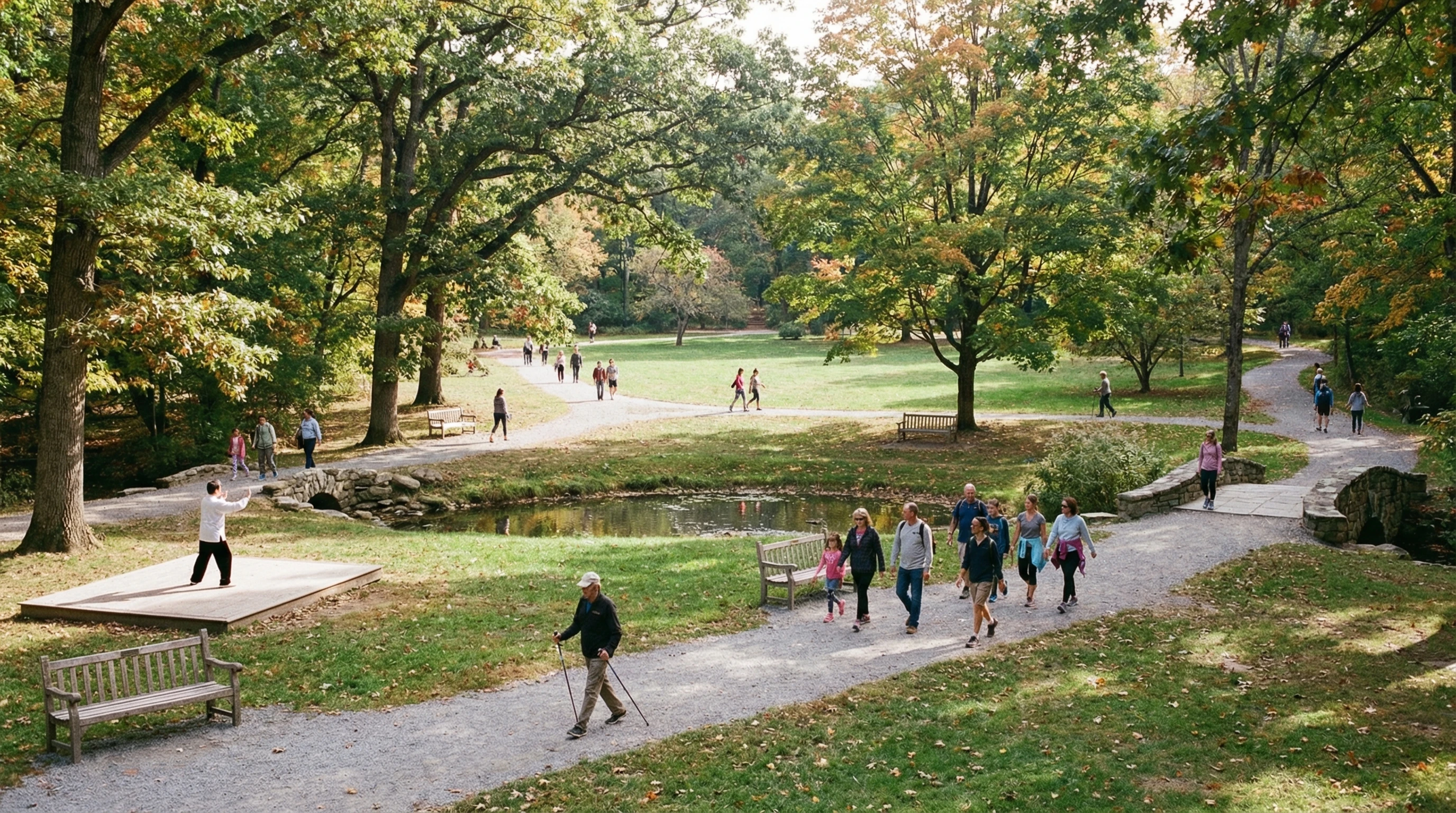
Why Mobility and Flexibility Decrease with Age
Mobility refers to the ability to move freely and easily. Flexibility is about how far a joint or muscle can stretch. I find these two are strongly connected. As the years pass, people lose some of both. There are a few main reasons for these changes.
One big factor is that muscles naturally lose strength and size as we age. This is called sarcopenia. I read about it in resources like the Mayo Clinic and experience some of it myself. When muscles shrink, they become weaker, and I can’t move with the same power or precision as before.
Joints also become less flexible over time. Cartilage, which cushions joints, breaks down gradually. Lubricating fluids in the joints also decrease. I sometimes feel stiffness when getting up after sitting for a long time; it’s a familiar sign that joints are not gliding as smoothly as they did in youth.
Other changes include the thickening of tendons and ligaments. These tissues connect muscles and bones and help with movement. As they get thicker and less elastic, I have found it takes longer to warm up before activity and that stretching feels tighter.
Everyday Effects of Reduced Mobility and Flexibility
What surprised me most is how these physical changes affect daily life. Simple activities like walking, climbing stairs, or getting up from a chair may start feeling more challenging. I have watched friends and family take smaller steps or need to pause more often, especially on uneven ground.
Limited flexibility means less range of motion. This might look like trouble bending to put on socks or reaching behind to zip up a dress. For those who enjoy hobbies like gardening, playing with grandchildren, or dancing, reduced movement can make favorite activities more difficult or uncomfortable.
Falls also become a bigger worry. Slower movement and stiff joints make it harder to catch yourself if you trip. According to CDC data, falls are one of the most common causes of injury for older adults. I keep this in mind when arranging furniture or moving around at home.

What Really Causes These Changes Inside the Body?
Understanding the science behind mobility and flexibility helps me make sense of what’s going on. Here are a few changes happening below the surface:
- Muscle Mass Loss: After age 30, most people start losing muscle at a rate of about 3-8% per decade. The process speeds up after age 60. This makes muscles less able to produce force.
- Joint and Cartilage Wear: Years of moving and weightbearing slowly wear out joint cartilage. This can cause aches and less range of motion, according to studies by the National Institute on Aging.
- Tendon Shortening: Tendons become stiffer and shorter, reducing how easily joints stretch. I often feel this as tightness in the hamstrings or shoulders.
- Nerve Changes: Aging can slow down messages from the nerves to the muscles. When reaction time lags, balance is harder to maintain.
While genetics play some part, I see how lifestyle choices make a big difference. Staying physically active helps slow these changes, while long periods of sitting or lack of movement tend to speed them up.
Staying Active: Tips to Support Mobility and Flexibility
Even though aging naturally brings changes, I have found that regular movement can make a significant difference. Here are some approaches that work well for many people, myself included:
- Stretch Every Day: Incorporate gentle, daily stretches. Doing so helps keep joints and muscles more limber. I like starting my mornings with some simple neck, shoulder, and hamstring stretches.
- Engage in Strength Training: Lifting light weights or using resistance bands twice a week helps build muscle. Studies show this slows the loss of muscle mass.
- Try Low Impact Activities: Walking, swimming, or cycling keeps joints moving without high stress. I often take daily walks and sometimes join a group swim class for variety.
- Balance Exercises: Simple moves like standing on one foot or walking heel to toe help improve stability. Practicing these can lower the risk of falls.
Small changes really add up. I have noticed my own ease of movement improving on days when I stick to these habits. The key is to find activities that are enjoyable so they become part of regular life.
Common Obstacles People Face
Not everyone has an easy time staying active as they age. Here are some challenges I have encountered, either personally or through those close to me, and a few ways to make things easier:
- Pain from Previous Injuries: Old injuries often resurface as stiffness or achiness. Gentle activity, combined with advice from a physical therapist, helps me work around this without giving up movement entirely.
- Motivation: Finding the energy to start a new exercise routine is tough, especially during colder weather. Having a friend or joining a class keeps me on track. Social support really makes a difference.
- Health Conditions: Arthritis and other chronic diseases can interfere with movement. I adapt activities to work around these conditions, maybe using a chair for support or avoiding activities that cause pain.
- Lack of Knowledge: Not knowing what exercises are appropriate can hold people back. Consulting with a physical therapist or certified personal trainer clears up confusion and helps prevent injuries.
Advanced Practices to Boost Movement
For those looking to make bigger gains in flexibility and mobility, adding focused practices can help. I know several people who have benefited from these techniques:
Yoga and Pilates: Both include stretching and strengthening elements. These practices improve flexibility, core strength, and balance. Community centers and online classes offer beginner options for all ages.
Dynamic Stretching: This involves stretching while moving, like leg swings or arm circles. I use dynamic stretches before longer walks or workouts to warm up muscles and joints.
Manual Therapy: Massage and other handson therapies can loosen tight tissues and improve blood flow. I sometimes schedule massages when I feel especially stiff or sore.
Trying out these activities, even a few times a week, can really support longterm movement and comfort. If you give yoga, pilates, or massage a try, take it slow and listen to what feels good for your body. Over time, you’ll notice the difference in how you move and feel day to day.
Helpful Home Modifications and Aids
I have found that adjusting the home environment can support safe movement as aging continues. Adding railings in hallways and bathrooms makes it easy to move confidently. Removing loose rugs and keeping pathways clear reduces tripping hazards.
For anyone with big changes in mobility, mobility aids like canes, walkers, or raised toilet seats help support independence. I know several people who resisted at first, but later appreciated how these aids allowed them to move more freely and safely. A little bit of planning ahead around the house can make every day easier and more comfortable.
Real Life Examples of Age, Mobility, and Flexibility
- Grandparenting: Picking up young children or getting down on the floor becomes easier with regular stretching and daily walks.
- Travel: Long car rides and airport lines are less tiring with more movement and balance training in daily life.
- Gardening: Seasonal tasks like weeding and raking rely on good joint range of motion, which daily stretching supports.
From family visits to trips and hobbies, improving mobility and flexibility opens more opportunities for fun and connection. You might find that with a bit more routine stretching and movement, passions and relationships stay stronger for longer.
Frequently Asked Questions
Question: Can I improve flexibility after age 60?
Answer: Yes. Consistent stretching and gentle exercise help regain some flexibility at any age. I have seen friends in their seventies become more limber over time.
Question: How often should I stretch for best results?
Answer: Daily stretching for just 5-10 minutes can help maintain and give a boost to flexibility. I like to set aside time in the morning and before bed.
Question: Are aches and stiffness permanent as we age?
Answer: Some changes are natural, but staying active and using strategies like stretching or massage can ease up discomfort. If pain is strong or persistent, it’s best to talk to a doctor.
Keep Moving at Any Age
Making time for movement, no matter your age, benefits overall wellbeing. Starting with small changes like daily stretches, short walks, or joining a gentle fitness class fosters better mobility and flexibility for years to come. I have found the effort pays off by making everyday activities and special moments easier and more enjoyable. Take small steps each day, and you’ll be surprised how much better you feel and move as the months go by.