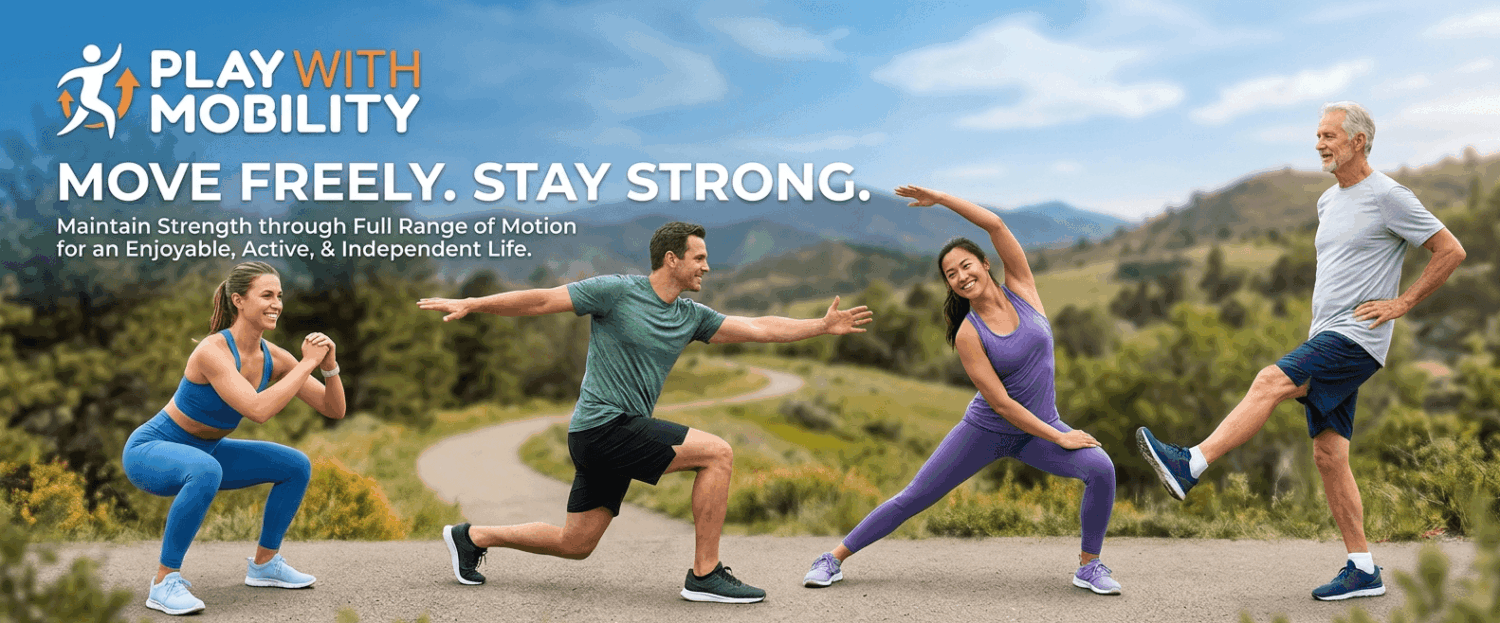
Group online joint mobility challenges can add a fun and engaging layer to community wellness activities. When I organize or take part in these challenges, I notice how they boost motivation, bring people together, and make it much easier for participants to stick with new routines. Community leaders, fitness instructors, and even enthusiastic friends can use these challenges to support group connection while helping everyone improve their physical well-being. Here, I’m sharing practical guidance on setting up a successful joint mobility challenge online and showing how this approach can spark community engagement in a way that works for all experience levels.

The Appeal of Online Group Joint Mobility Challenges
Group online joint mobility challenges can break the ice, strengthen social bonds, and make daily movement more enjoyable. From my experience, people are often more likely to complete a program when they join others. It’s a lot easier to stay committed when you know you’ll be checking in with teammates or sharing your progress in real time. These challenges work well within many different online communities, whether hosted by workplaces, social clubs, or fitness groups. Research featured in the Journal of Physical Activity & Health found that social support improves commitment to exercise programs, especially for those just starting out.
Joint mobility, which refers to how freely and easily our joints move, is important for preventing injuries and staying active as we age. By making mobility activities social and accessible online, more people can benefit, even those who might feel nervous about starting solo or in-person group classes. With online options, anyone can participate from their home or office, removing location-based barriers that sometimes limit traditional fitness programs. This flexibility opens the door for participants with busy or unpredictable schedules, further helping diverse groups jump into wellness pursuits together.
Getting Started: Designing Your Online Challenge
When setting up an online joint mobility challenge, I focus on simplicity and accessibility. A well-structured program welcomes beginners and keeps long-term participants engaged. Key elements include a clear schedule, easy to follow instructions, and daily or weekly prompts that can fit into busy lifestyles. Adding introductory sessions or welcome messages at the start can help set a friendly tone and make new participants feel at ease.
- Pick Your Platform: Start by choosing a space where everyone can join in, post updates, and interact. This could be a private Facebook group, a messaging app like WhatsApp, or even a dedicated section of your fitness community’s website.
- Set a Duration: Four week challenges are common, offering enough time to build habits without feeling overwhelming. Shorter, 7 day “intro” challenges can help new members feel welcome.
- Define Mobility Goals: I like to set straightforward goals, such as “complete five joint mobility routines each week” or “try three new stretches this month.” Goals that allow for customization help people of all backgrounds join comfortably. Additionally, tracking personalized goals can make participants feel more invested in their progress.
- Daily or Weekly Prompts: Sharing short videos, infographics, or written checklists makes it easy for participants to understand and follow the routines, even if they’re new to joint mobility exercises. Providing a variety of content formats helps keep engagement high.
- Build in Check-Ins: Simple daily comments, end of week polls, or even celebratory reaction emojis make it easy for everyone to stay connected and accountable. These small touches give participants a reason to check in regularly and interact with others. Consider occasional Q&A posts so participants can ask questions about the routines or share tips that helped them.
Sample Joint Mobility Exercises for All Levels
For a group challenge, I offer exercises that are gentle enough for beginners but also have options to increase intensity as people get comfortable. Warmups and cooldowns are important, especially when focusing on joint health. Including gentle breathing or mindfulness moments before and after routines can set a positive mood and gently reinforce healthy habits.
- Neck Circles: Gently roll your head in both directions, focusing on moving slowly and paying attention to your range of motion.
- Shoulder Rolls: Lift your shoulders toward your ears, roll them back, and squeeze your shoulder blades together. Repeat in both directions.
- Wrist Rotations: With your arms outstretched, make slow circles with your wrists in both directions.
- Hip Openers: Stand with your feet hip width apart, gently lift one knee, and draw circles with it to open up the hip joint.
- Ankle Pumps: Sit or stand and point your toes up and down, then make slow ankle circles in both directions.
I encourage participants to start with one or two sets of each exercise, aiming for 8 to 10 controlled reps. For those feeling ready, I suggest adding more sets or increasing the duration of each movement. Always remind everyone to move within a comfortable range and listen to their bodies, referring medical questions to a professional if needed. If some participants are unsure how to organize their sessions, sharing sample playlists or printable routines can help make things even easier.

Common Obstacles and How to Overcome Them
Running group challenges online comes with a few hurdles, but with some planning, most issues are easy to handle. Here are some typical concerns and what I do about them:
- Technical Barriers: Not everyone feels confident using online platforms. It helps to send out clear, step by step setup guides at the start. Short welcome videos or a simple FAQ can ease new participants in. Encourage folks to reach out if they’re struggling with the tech—most kinks get sorted out quickly with a little extra support.
- Keeping Up Motivation: Tracking progress publicly within the group, celebrating small wins, and choosing achievable goals all help. I sometimes use fun weekly themes (“Focus on Hips Week”) or gentle built in competitions, like who can log the highest number of completed days in a row.
- Addressing Varying Abilities: Joint mobility varies a lot from person to person. Including modifications for all exercises and inviting people to share what works for them helps make everyone feel welcome. For example, seated options can be offered for those who need them. Encourage group members to look out for new tips or alternative moves if a routine feels tough.
- Preventing Drop Off: Regular reminders, personal check-ins, and highlighting community stories can support continued participation. Sharing photos of home setups or progress logs gives a sense of working on a shared mission, even while apart. Sometimes a friendly message or group nudge is all it takes to get people back on track.
Maintaining Engagement Across the Challenge
Some participants might start strong but lose interest. Mid challenge surveys, bonus challenges on weekends, and posting member success stories can re energize the group. In my own challenges, I noticed that when someone posts a short video showing how far they’ve come, others quickly follow with their own updates, which brings renewed enthusiasm. Consider letting participants “buddy up” for extra connection and accountability, or rotate who shares the daily prompt to keep things fresh.
Why Joint Mobility Challenges Matter for Community Well-Being
Online group challenges do more than just improve mobility. They help people feel part of something bigger, offer a safe space for encouragement, and allow for sharing of resources and tips. Wellness experts, like those at Mayo Clinic, stress that social support in health challenges leads to better long term outcomes for participants. Group settings also hold members accountable more gently than rigid personal training, and make tough days easier to push through. You may find new friendships forming or old ones growing stronger through the shared experience of a mobility challenge.
I’ve seen firsthand that people who might have stuck to only a week or two of routines alone will keep going long after the group challenge ends. The community aspect often inspires longer lasting changes in lifestyle and movement habits. Even shy or introverted members can find comfort in shared goals and mutual encouragement, opening the door for everyone to get involved in building healthier routines.
Frequently Asked Questions
Here are answers to some questions I’ve heard from new challenge organizers and participants:
What if I’m not flexible or have limited mobility?
Answer: Mobility routines are designed to help you work at your current level. Each exercise should have modifications, and it’s okay to skip any that don’t feel right for your body. These challenges are about participation, not perfection.
How do I keep track of everyone’s progress?
Answer: Simple daily check-ins in the group thread, progress sheets shared on Google Drive, or a digital calendar everyone can update work well. Encouraging photo or video uploads is an easy way to keep the process fun and visual. Some groups like to use stickers, badges, or fun shout outs as extra recognition for regular updates.
How do I prevent people from losing interest halfway through?
Answer: Mixing things up with themed days, rewarding consistency, and regularly sharing stories from the group can boost participation. Reminders and shoutouts go a long way too. Creating mini goals within the larger challenge can rekindle curiosity and engagement whenever energy dips.
What’s the best way to include people who have never participated in online fitness before?
Answer: Give extra encouragement during the first week, make instructions super clear, and consider pairing newcomers with seasoned participants. Easy to access tutorials and a welcoming community vibe can help calm nerves and set the stage for an enjoyable experience.
Real-World Success Stories
I’ve witnessed fitness clubs, neighborhood associations, and even remote work teams run joint mobility challenges online. One standout example came from a group that started a “Morning Mobility” session. A few members volunteered to share daily 2 minute videos showing their home routine, and soon, the group chat was full of supportive comments and tips. Another workplace set up a weekly live video “stretch break”, which led to improved morale and group spirit even while coworkers were far apart. The tradition grew into a monthly highlight, with different team members leading the routines and sharing their favorite stretches.
- Work Teams: Joint mobility activities during remote meetings helped cut down on screen fatigue and encouraged a more active workday.
- Community Groups: Monthly themed mobility challenges, such as “Ankle April” or “Spine September,” kept things fresh and gave everyone a focus area. Newcomers found it easy to join when each month had a new, low barrier entry point.
Tapping into group motivation and the digital support found in online communities creates the right environment for positive change. With a little creativity, these joint mobility challenges can fit nearly any group size, age range, or fitness level, and foster a stronger sense of togetherness along the way. As participants share their experiences, photos, or progress over time, the challenge becomes a meaningful memory and a springboard for building lifelong movement habits.