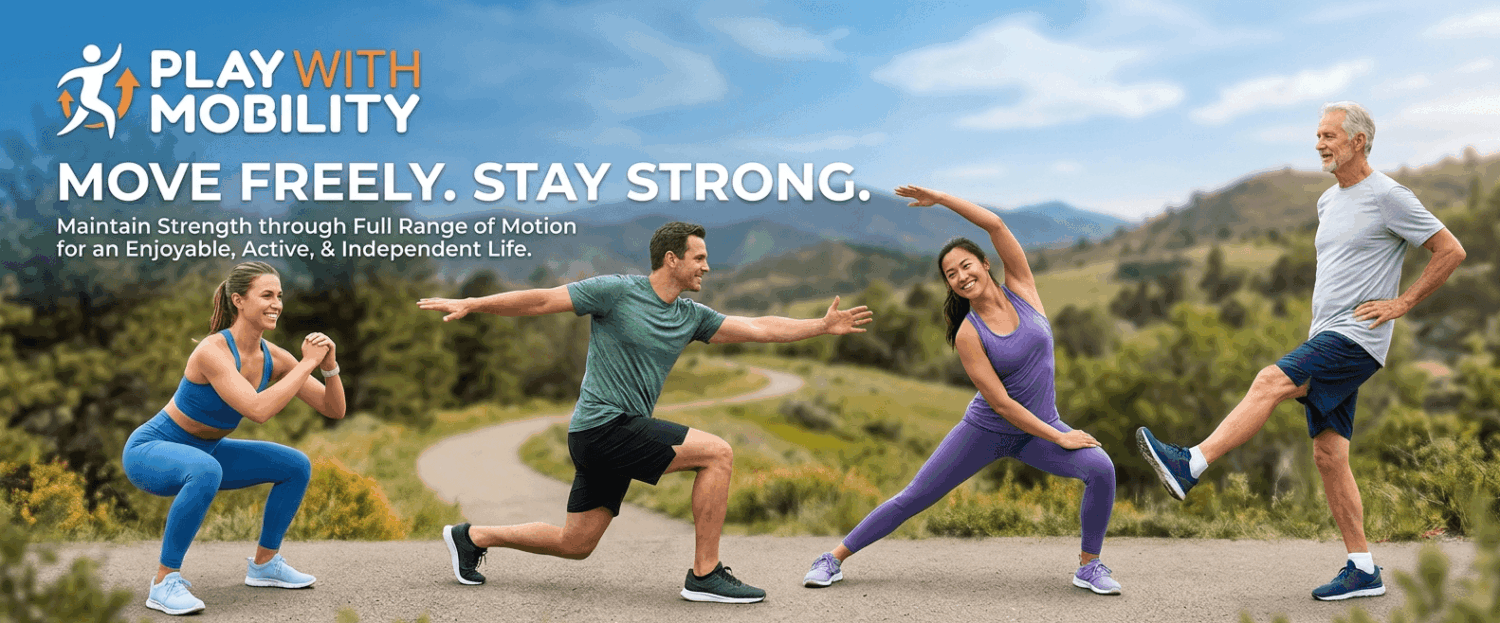
Many people, including myself at one point, believe that yoga poses are the only route to better flexibility. This idea gets repeated so often that it almost feels like a rule. After spending years experimenting with my own body and exploring different movement practices, I can say that yoga is only one of several paths. If you’re interested in improving your range of motion but feel like yoga doesn’t fit your lifestyle, or you just want to learn more about stretching methods, it helps to look into the full picture. Here, I’ll break down why yoga isn’t the sole answer for flexibility and share other effective strategies you can use.
What Flexibility Really Means and Where Yoga Fits In
The word “flexibility” gets used a lot, but it means different things depending on the context. At its core, flexibility is how far your joints and muscles can move comfortably. Yoga has gained popularity because it mixes movement, stretching, and strength all at once. But yoga isn’t a single style; there’s everything from gentle Hatha to athletic Power Yoga, all focusing on different goals.
Yoga is great at working on flexibility because it uses static and sometimes dynamic stretches, long holds, and mindful breathing. I value yoga for helping me slow down and focus on my body’s needs, but I’ve seen just as much improvement using other methods. Athletes, dancers, and older adults all use many nonyoga approaches to stay limber. This tells me that flexibility is about more than yoga alone.
Popular Misconceptions: Yoga as the Only Stretching Tool
It’s easy to understand why yoga gets pegged as the go-to method. Yoga studios, fitness influencers, and even medical providers often recommend it first. It tends to be accessible, comes with plenty of classes, and doesn’t need fancy equipment. Still, saying yoga is the “only” way makes other effective strategies seem off-limits, which just isn’t true.
Some common myths I hear include:
- Myth: Only yoga can improve flexibility. In reality, research supports many different techniques beyond yoga, including dynamic stretching and mobility drills. (NIH: Effects of dynamic stretching on flexibility)
- Myth: Yoga results come faster than other methods. Progress depends more on consistency and matching stretches to your needs rather than sticking to yoga specifically.
- Myth: Certain bodies just aren’t flexible unless they practice yoga. Anyone, regardless of starting point, can make gains through various types of stretching.
How Flexibility Works: Anatomy and Adaptation
On a basic level, flexibility is determined by the length and health of your muscles, tendons, and surrounding connective tissues. When you stretch, whether in a yoga pose or not, you’re gently teaching your nervous system and tissues to allow more movement. I’ve noticed that the longer and more consistently I work at it, the better my results.
Experts agree that stretching needs to be repeated over time to see lasting benefits. Short bursts once a week won’t do much. It’s the commitment, no matter the method, that matters. Some movements focus on lengthening muscles (static stretching), while others focus on moving joints through an active range (dynamic stretching and mobility drills).
Nonyoga Approaches for Improving Flexibility
You have plenty of science-backed options for gaining flexibility that don’t require any yoga background. I enjoy mixing these into my weekly routine, especially on days when I want variety or when my body needs something different from yoga.
- Dynamic Stretching: Involves actively moving the limbs through their full range. High knees, leg swings, and arm circles are good examples. These are great as part of a warm-up and help prepare muscles for activity.
- Static Stretching: Means holding a stretch for 15–60 seconds to target specific muscles. Think hamstring or calf stretches at the end of a workout. Studies show this method increases flexibility when performed regularly.
- Mobility Drills: Focus on moving joints through their entire range in a controlled way. Hip circles, ankle rolls, and controlled articular rotations (CARs) help maintain and improve joint health.
- PNF (Proprioceptive Neuromuscular Facilitation): Combines stretching and contracting the muscle. For instance, you might stretch your hamstring, then push against resistance, then stretch again. Physical therapists often use PNF stretching because it can quickly increase flexibility.
- Pilates: Uses controlled movements and breath to build strength and mobility, targeting posture and muscle balance.
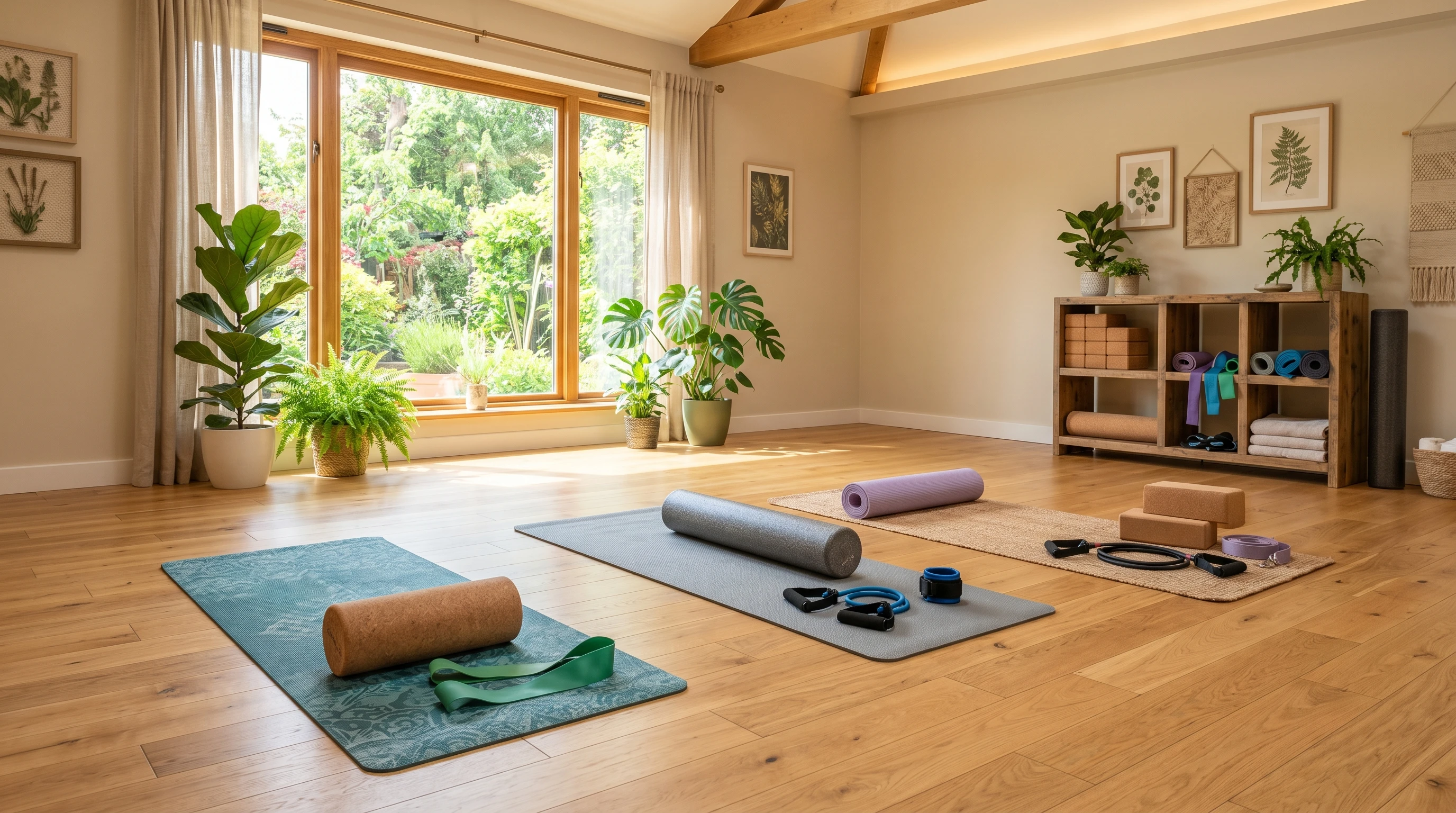
- Foam Rolling/Myofascial Release: Involves rolling key muscle groups on a foam roller or using massage tools to ease tight tissue and improve movement capability.
You can combine several of these without any yoga experience or alongside your favorite yoga poses. I often do dynamic stretches before exercising and static holds afterward, rotating in foam rolling for sore days. If you want to get more out of your sessions, try to match your stretches to your other activities. For example, runners benefit from dynamic leg swings before a jog and static quadriceps stretches after.
Simple Steps for Building a Flexible Routine
Personal experience has shown me that the way you build routines matters more than following one particular method. Getting started doesn’t need to be complicated:
- Figure out your goals. Do you want to be able to bend over and tie your shoes more easily, reach a higher kick in martial arts, or just feel less stiff? Your focus will guide your choices.
- Choose your methods. If yoga makes you feel good, stick with it. If you don’t enjoy it, pick stretches or movements that fit your needs and make you want to show up.
- Consistency matters. Just like brushing your teeth, short, frequent sessions work best. I see more change from five minutes a day than an hour once a week.
- Don’t forget to warm up. A light walk, easy arm swings, or gentle cycling makes your tissues more ready to stretch.
- Pay attention to how you feel. If any movement causes pain, skip it or get advice. Discomfort is normal, pain is not.
Common Challenges and How to Overcome Them
It’s normal to feel stiff in the beginning, especially if you haven’t stretched for a while. I remember trying to touch my toes and feeling frustrated. Here’s how to deal with the tough spots:
- Plateaus: Progress sometimes slows down. When this happens, changing up your methods or increasing frequency can help. Adding new movements gives your body novel challenges.
- Lack of time: Flexibility routines don’t have to take hours. Sneak in stretches while watching TV, waiting for water to boil, or after a morning shower.
- Boredom: Play music, join a class, or stretch outdoors for a change of environment. Mixing things up stops routines from feeling stale.
- Soreness: Mild discomfort is common after stretching, especially in new areas. Gentle foam rolling or warm baths ease muscle tension. If pain lingers, rest is your friend.
Plateaus and Progress
I reached a point where my progress in hamstring stretches stalled for weeks. Switching my routine to include PNF stretching and foam rolling got things moving again. Sometimes small tweaks, like adjusting the angle or hold time, add new stimulus and create lasting gains.
Time Management for Busy Schedules
I used to think I needed long blocks of time to make flexibility gains. Now, I set aside five or ten minutes before bed or after a walk. Even short bursts, when done regularly, give results. You might try scheduling these mini-sessions into your daily routine the same way you would for brushing your teeth.
When to Mix or Switch Methods
Sometimes a person hits a wall with one style and needs something fresh. That’s usually when I try a dance class, foam rolling, or Pilates video. I also check in with a physical therapist or personal trainer for advice. External support can help you stay accountable and safe as you expand your range.
- If yoga feels repetitive, try mobility workouts or dynamic warm-ups from sports training videos.
- If joints feel stiff, gentle myofascial release or Pilates movements often work well.
- If you have a specific goal, such as splits or overhead range, targeted strength work or sports stretching gets results faster.
Real-World Examples
I know friends who never do traditional yoga but can kick high in martial arts or reach deep bends in dancing, all from dedicated stretching and mobility routines. Professional athletes often use dynamic warm-ups and sportspecific flexibility work. Senior adults maintain flexibility by walking, stretching, swimming, or using gentle movement therapy like Tai Chi, which focuses on flowing range of motion rather than fixed yoga postures. There are also hikers, swimmers, and cyclists who stay limber mainly by mixing in dynamic stretching and mobility drills, depending on the needs of their sport or movement style. This proves that many paths can lead to flexibility gains, and you’re free to pick the approach that best matches your interests and life.
Frequently Asked Questions
Question: Can you improve flexibility without yoga?
Answer: Yes, you can get flexible by using dynamic and static stretching, mobility drills, Pilates, or even activities like dance and swimming.
Question: How often should I stretch for the best results?
Answer: Stretching most days of the week helps more than only once a week. Five to ten minutes per session is usually enough for steady progress.
Question: Does age affect flexibility gains?
Answer: Flexibility does get harder to maintain as you age, but regular movement and stretching work at any age. Start slow and build gradually.
Key Takeaways for Building Flexibility Without Yoga
Improving flexibility doesn’t require yoga, though yoga is a useful choice for many. Options like dynamic warm-ups, static stretching, PNF, mobility drills, and foam rolling can help reach your goals. The best results come from consistency and choosing an approach you enjoy. Everyone can build their own path, no mat required. No matter what you choose to do, it’s more important to stick with your habit and keep things enjoyable, so flexibility can become a natural part of your life.