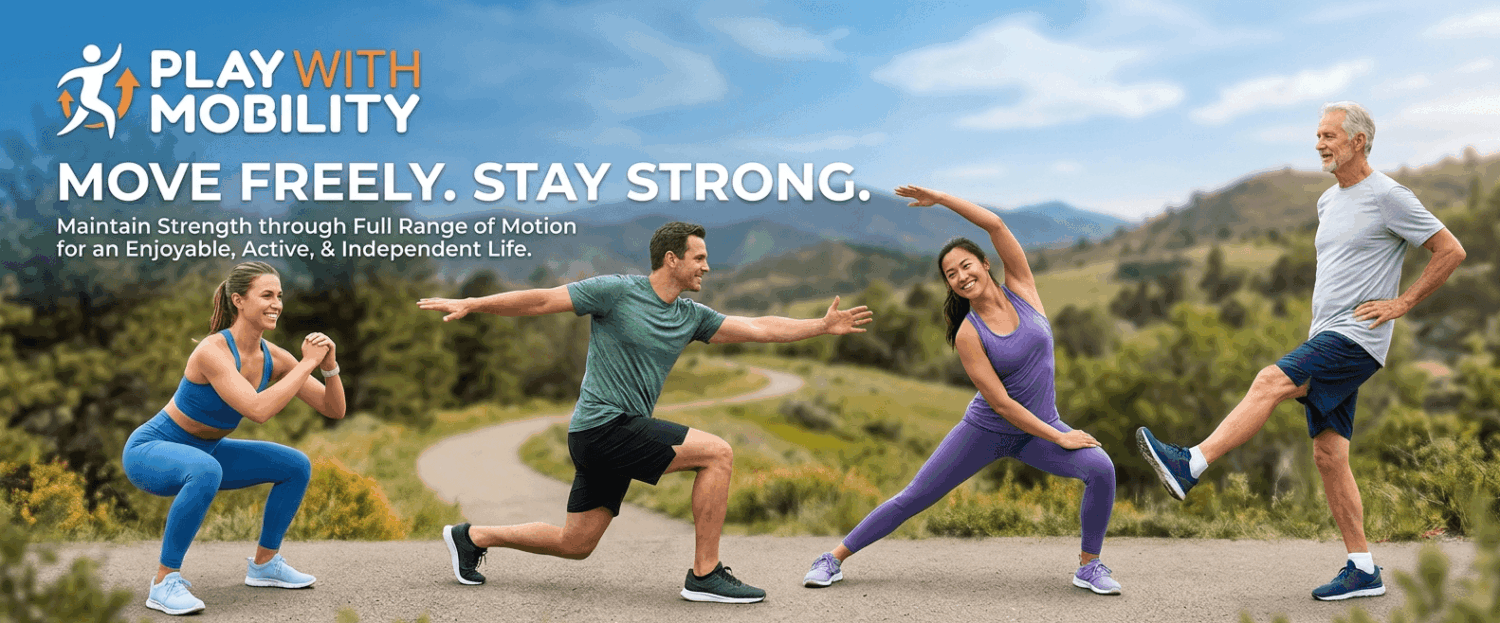
Mobility and flexibility play a huge role in athletic performance and injury prevention. Whether I’m running, lifting, or playing sports, how my body moves and bends impacts everything from strength and speed to long-term health. Many people use these terms interchangeably, but they actually refer to two different qualities. In this article, I’m sharing a clear look at the science behind mobility and flexibility in athletes, how they are different, and practical advice on improving both.
Understanding Mobility and Flexibility
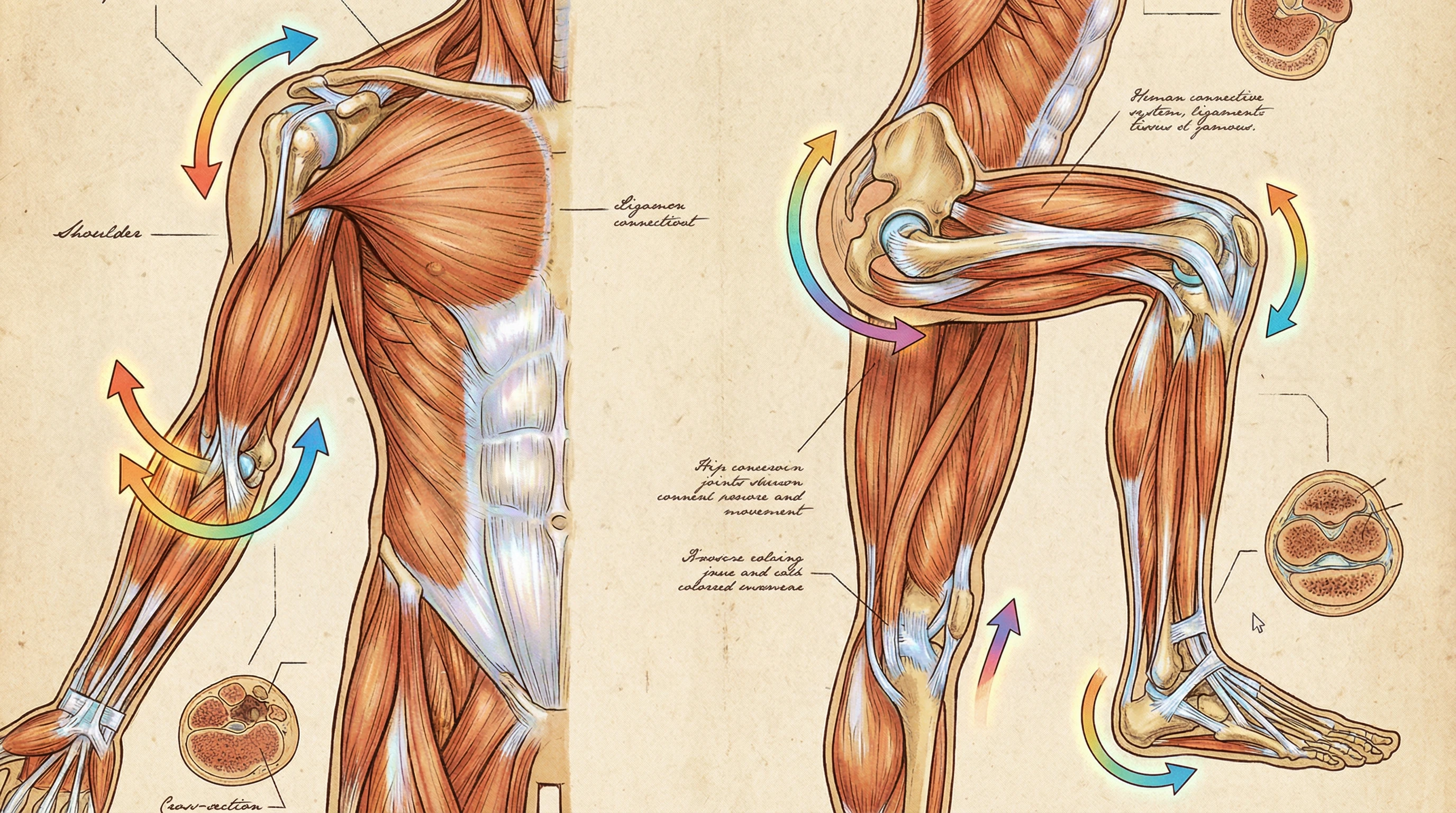
Mobility is the ability to move a joint through its full range of motion with control and strength. Flexibility, on the other hand, is how far my muscles and connective tissues (like tendons and ligaments) can stretch. If I only work on one without the other, my athletic movements may not be as powerful or safe as they could be.
When I improve my flexibility, my muscles and tissues adapt to lengthen and stretch more easily. Improved mobility combines that flexibility with strength and coordination, letting me perform movements like deep squats, overhead throws, or lunges smoothly and safely. For athletes in sports such as soccer, basketball, or gymnastics, having both qualities supports quick reactions and lowers risk of injury.
This distinction isn’t just practical. It’s backed by science. A 2021 review in the Journal of Strength and Conditioning Research explained that focusing on both muscular flexibility and joint mobility creates the foundation for healthy, effective movement patterns.
Key Components of Healthy Mobility and Flexibility
Both mobility and flexibility rely on several important factors in the body. Here are three I pay close attention to:
- Joint Health: Joints (like my hips, shoulders, and knees) need to be stable and move freely, often thanks to strong connective tissues and healthy cartilage.
- Muscle Length: Muscles that are too tight or short can limit flexibility. Long, relaxed muscles allow for better stretching and smoother movement.
- Nervous System: My nerves control how much my muscles contract or relax. With regular stretching and mobility exercises, the nervous system can “learn” to allow a greater, safer range of motion.
If I ignore any of these areas, I’ll notice limits in how I move. Paying attention to all three helps my body adapt and function at its best. In my experience, joint health is often the most overlooked, yet it’s the foundation that keeps both flexibility and mobility in check as I age or increase training intensity. I regularly check in with my physical therapist or coach every few months to make sure these factors are on track.
Simple Steps to Build Mobility and Flexibility
Improving mobility and flexibility doesn’t have to be complicated. Here are some steps I follow that help:
- Incorporate Dynamic Warm-Ups: Movements like leg swings, arm circles, or walking lunges before practice or workouts help prepare my joints and muscles, getting them ready for bigger movements.
- Use Static Stretching Wisely: I do static stretches (holding a stretch for 20-30 seconds) after workouts or games to help muscles recover and stay flexible.
- Try Functional Movements: Exercises such as deep squats, hip openers, or thoracic rotations use multiple joints together, improving overall mobility for real-life movements.
- Focus on Strength and Control: Strengthening exercises, especially those that use a full range of motion, help stabilize my joints and maintain mobility over time.
- Be Consistent: Doing a little bit every day is better than occasional big sessions. Consistency helps my nervous system and connective tissues adapt better.
These habits help me prevent injuries, reduce muscle soreness, and boost overall performance in any sport. Consistency is key; skipping just a few days can lead to noticeable tightness. To keep myself accountable, I set reminders or join group stretching classes when possible. If I’m ever running low on motivation, watching pro athletes warm up can be surprisingly helpful.
Common Challenges and How to Overcome Them
Many athletes run into roadblocks as they work to improve their mobility and flexibility. Here are some common challenges I’ve faced, plus how I address them:
- Tight Muscles from Overuse: Repeating the same movements or not allowing time for recovery can lead to stiff, shortened muscles. Adding rest days and self-massage (like foam rolling) helps release tension. I also add gentle yoga or Pilates classes to mix in some variety and give my body a fresh feel.
- Poor Posture or Imbalance: Sitting a lot or favoring one side of my body can cause certain muscles to tighten and others to weaken, which limits both mobility and flexibility. I balance out my routine with stretches and movements targeting areas that get tight, like hip flexors and chest muscles.
- Ignoring Warm-Ups and Cool-Downs: Jumping straight into intense activity or skipping the cool-down can shock my body and reduce my progress. Taking even five minutes for dynamic moves or gentle stretching really makes a difference. The more diligent I am about preparation and recovery, the better my sessions feel.
- Old Injuries: Past sprains, strains, or surgeries can leave areas stiff or weak. In these cases, I work with a coach or therapist to find safe movements and rehab exercises suited to my situation.
Staying patient and listening to my body helps me work through these issues, even if progress is slow sometimes. If I sense any sharp pain, I stop right away to avoid making things worse. Progress with mobility and flexibility is often about small, steady improvements rather than big leaps forward.
Foam Rolling and Massage Tools
I use foam rollers, massage balls, or percussion devices to loosen up muscles and fascia (the connective tissue around muscles). Foam rolling before stretching can help muscles relax, making it easier to improve flexibility safely. Sometimes I use a vibrating foam roller, which adds a bit of extra relief after a hard session. Self-massage also boosts blood flow, preparing my body for the next workout.
The Science: How Mobility and Flexibility Impact Athletic Performance
Research shows that increased mobility and flexibility contribute directly to better athletic results. For example, a 2019 study published in British Journal of Sports Medicine found that regular stretching and mobility routines lowered the risk of injuries in soccer and track athletes by over 30%.
Efficient mobility helps athletes generate more power, stick to proper technique, and transition quickly between positions. In sports like basketball or baseball, agile movements allow for quicker pivots and jumps. Flexibility improves the ability to absorb impact and decreases muscle stiffness after hard efforts. It’s also been shown in research that regular stretching may improve circulation, speeding up recovery between workouts.
Some other examples include:
- Gymnastics: Flexibility in the shoulders, back, and hips allows for fluid tumbling, while controlled mobility ensures strong, stable landings.
- Weightlifting: Full hip and ankle mobility provide stable, deep squats and reduce compensations that may cause slips or tweaks.
- Running: Loose hamstrings and calves make it possible to extend stride length without overstraining, leading to faster sprints and less soreness after runs.
I often notice that as my flexibility improves, my recovery time shortens, and everyday movements feel less restricted, both on and off the field. These gains tend to build on each other, making me more resilient over time. If you watch elite athletes, their graceful, eye-catching movements are a result of putting time into both flexibility and mobility consistently.
Building an Effective Mobility and Flexibility Routine
To set myself up for success, I start with an honest look at my current strengths and weaknesses. Here’s a basic routine I follow and adapt for any sport or workout:
- Test Your Range of Motion: Try deep squats, overhead reaches, or hip stretches. Noticing any sticking points helps target those areas. Sometimes, I take short videos to see if my form is off or if I’m compensating with the wrong muscles.
- Mix Dynamic and Static Movements: Begin sessions with moving stretches and end with slow, held positions. Using both styles covers the needs of muscles before and after tough workouts.
- Include Strength Moves: Add exercises that need control through a wide range of motion, like Turkish getups or goblet squats.
- Use Rest and Sleep: I focus on quality sleep and rest days, since they help muscles and tissues repair, keeping me limber for the next session. If I’m feeling especially stiff, I’ll throw in a quick nap to help my body bounce back faster.
- Track Progress: I keep a simple journal or take videos to notice improvements or setbacks over time. These trackers give me proof of small wins, which is really encouraging when motivation dips.
If I’m unsure how to get started, I ask coaches or physical therapists for tailored advice. Programs like Functional Range Conditioning or yoga can be useful if I want guidance from professionals with a sports science background. I also check out free videos online to learn new moves and keep things fresh.
Frequently Asked Questions
Some common questions come up when I talk about mobility and flexibility with other athletes, so I’ll answer a few of them here:
Question: Can I work on both flexibility and mobility at the same time?
Answer: Yes, most exercises and stretches help both qualities together. Dynamic stretches before your workout and static stretches after are a simple way to do this.
Question: How often should I stretch or do mobility work?
Answer: A little bit every day is usually best. Even 10 minutes of stretching or movement prep can help keep progress steady. I set reminders on my phone or schedule my sessions into my calendar so I don’t forget.
Question: What if I feel pain while stretching?
Answer: Ease off if you feel sharp or lingering pain. Discomfort is normal when you’re stretching tight muscles, but pain is a warning sign. If pain keeps coming back, I get it checked by a professional for peace of mind and long-term safety.
Real-Life Applications and Benefits
I see benefits of better mobility and flexibility beyond the gym or sports field. Sitting at a desk is easier without aches, and daily tasks like walking, squatting, or even tying shoes feel smoother. When I watch athletes on TV or in person, those who look the most agile often combine full joint mobility with smooth, flexible movement throughout their bodies.
Physical therapists and coaches often use a variety of tools, like resistance bands or balance equipment, to help athletes target weak points. For example, someone with stiff ankles may use banded mobility drills. These small efforts help me protect my joints and muscles so that I can move confidently. Plus, improved mobility makes activities like dancing, hiking, or playing with kids safer and more enjoyable because I feel more capable and free in my movements.
Wrapping Up
Mobility and flexibility might sound simple, but together they form the base for safe, powerful movement in sports and life. Paying attention to both can help boost athletic potential and lower injury risk. I get the best results by being curious, consistent, and willing to adjust my routine as my body changes.
Trying out daily movement practices, listening to feedback from my body, and staying open to professional advice help me keep making progress, one stretch or movement at a time.