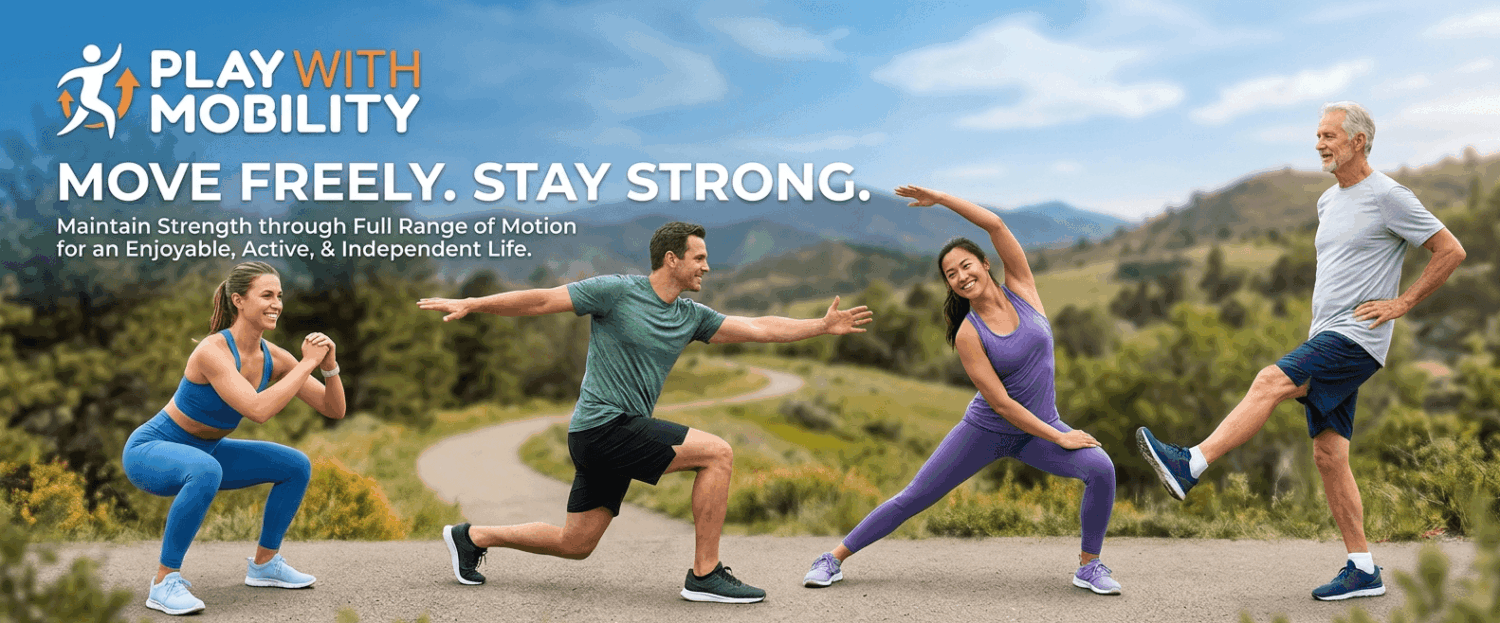
Mobility and flexibility both play important roles in reaching fitness goals, but sometimes people use these words as if they mean the same thing. My own experiences in group fitness classes showed me that most people, including myself at first, often stretch or do mobility drills without really knowing what these terms mean or how they fit into a broader training plan. In this article, I want to share what I’ve learned about the differences between mobility and flexibility, why each matters, and how to decide which one deserves more attention depending on your unique fitness goals.

Understanding Mobility and Flexibility: Definitions and Differences
Getting clear on what mobility and flexibility actually mean helped me make more sense of my own fitness progress. Flexibility is how much a muscle can lengthen. For example, when I do a hamstring stretch and try to touch my toes, I’m testing my flexibility. Mobility is how well a joint can move through its full range of motion. When I squat or rotate my arms in circles, I am checking mobility, which involves not only the muscles but also the joints, tendons, ligaments, and my overall control.
Flexibility is passive, meaning it’s measured when your muscles are stretched but not activated. Mobility is active, showing how you can control movement with strength and stability through the joint’s range. A person can have good flexibility but poor mobility if they can’t control their joint while moving, or it can be the other way around.
Why Flexibility Matters for Fitness Goals
Flexibility can make daily activities and exercise routines feel smoother and more comfortable. Better flexibility can tone down muscle tension, improve posture, and help prevent injuries caused by tight or short muscles. For instance, I used to get lower backaches after long days of sitting until I added regular hamstring and hip flexor stretches to my routine.
Flexibility is especially helpful for activities that demand a lot of stretching or bending, like yoga, dancing, some martial arts, and gymnastics. It also helps with muscle recovery after workouts and plays a role in keeping a good range of motion as I get older.
- Injury prevention: Flexible muscles are less likely to be strained.
- Improved performance: Some sports and activities require a greater range of motion, which flexibility supports.
- Everyday comfort: Tying shoes, reaching for objects, or bending over can feel easier with flexible muscles.
Why Mobility Deserves Attention
Mobility really comes into play when I go from sitting to standing, squat down to pick something up, or put my arms overhead. It combines joint flexibility and muscular strength, coordination, and stability to let me move with purpose and control.
Mobility is essential for strength training, functional fitness, and sports that need quick direction changes or body moves. For example, having good ankle and hip mobility lets me perform squats safely and with better depth, making my workouts more effective. Without enough mobility, compensation patterns can set in, causing pain or injury elsewhere over time.
- Better movement control: Mobility lets me move my joints smoothly through their full ranges, under my own control.
- Reduced strain on joints: Strong mobility protects joints by allowing correct movement patterns.
- Long-term independence: Good mobility supports daily tasks, such as climbing stairs or carrying bags, especially as I age.
Even in activities like playing sports with the kids, gardening, or just heading out for an active day, mobility gives a real boost. It allows me to shift positions smoothly, keep up with energy demands, and prevent those little aches that creep in from infrequent movement.
Mobility vs Flexibility: Which Is More Important?
I often hear people ask whether mobility or flexibility is more useful. The answer depends on my fitness goals. If I want to touch my toes, then flexibility is key. If I want to squat deeply or lift weights safely, then mobility is what I focus on. Most of the time, the two work together. Improving mobility often involves both stretching for flexibility and active movements for strength and control.
For many fitness goals, mobility is slightly more impactful. That’s because controlling movement through a joint’s range of motion translates better to real-life activities like lifting, walking, running, or changing direction. When I improved my shoulder mobility, for example, overhead presses and pullups became easier and felt safer. While flexibility is helpful, especially for feeling loose and preventing certain soreness issues, I found that without the strength and stability gained from mobility work, my flexibility gains didn’t help much during dynamic activities.
Think about runners who can’t fully extend their hips, or someone who can’t squat below parallel due to tight ankles – for these folks, more mobility can be truly game-changing.
Common Challenges and How to Tackle Them
When I first started focusing on mobility and flexibility, I noticed a few recurring issues, both in my own progress and in those I trained with. Here are some challenges I faced and some solutions:
- Stretching without purpose: I used to do random stretches hoping for results. Now, I target areas related to the movements I want to improve and what feels tight from my daily life or training focus.
- Lack of consistency: Doing stretches or mobility practice only occasionally didn’t get me far. Sticking with a basic schedule made all the difference.
- Poor technique: Forcing deeper stretches led to muscle strains. Learning proper technique from trainers or online tutorials led to better, safer results.
- Neglecting strength within range: Being passively flexible didn’t mean I could use that range in motion. Combining stretches with controlled, strengthbased moves unlocked more functional gains.
Dealing with Imbalance
Sometimes, one area of the body is flexible, while the opposite side feels tight or rigid. Addressing both sides evenly and not overfocusing on a single joint or muscle group helped me avoid imbalance injuries. For instance, I now match every hip opener with a glute activation exercise, so strength and stretch work together.
Managing Recovery and Soreness
Pushing stretches or mobility drills too hard or too often made me feel sore, sometimes for days. I learned that rest days and active recovery, like light yoga or walking, improved my progress over time. Listening to signs of fatigue and being gentle but persistent is much smarter than forcing gains.
Practical Tips for Improving Mobility and Flexibility
Building mobility and flexibility into my routine paid off in many ways. Here are some strategies I found helpful that can work for just about anyone:
- Warm up properly: Dynamic movements like leg swings, arm circles, or hip rotations prepare joints and muscles before a workout. This gets your body ready and can prevent annoying strains.
- Balance static and dynamic stretches: I hold classic stretches after workouts and do movementbased drills in my warmups. Mixing both approaches gives quick results and better overall mobility.
- Use foam rollers or massage tools: Self-massage helps lower tension and makes stretching less uncomfortable. It’s like a reset button for sore or stiff muscles that don’t want to budge.
- Practice often: I add mobility and flexibility work several times a week, sometimes even for five minutes between meetings or before bed. Consistency turns small gains into major wins.
- Add controlled strength: Using light weights, bands, or bodyweight moves, I build strength through my full range of motion, which supports stability and expansion of mobility. Something like a slow lunge or a band pullapart can do wonders here.
Applying these habits gradually turned mobility and flexibility into strengths instead of weak spots in my training. I noticed fewer aches, better results, and just a feeling of moving with less effort.
Real-Life Impacts and Success Stories
Improving mobility and flexibility changed how I felt both in the gym and in daily life. My squats got deeper and safer, I no longer struggled with reaching overhead, and simple things like unloading groceries became easier and less tiring. I’ve seen clients go from struggling to kneel and stand up without pain to moving confidently in regular exercise classes. Even basic movements like walking or climbing stairs can feel lighter and more comfortable with improved mobility and flexibility.
- Athletes: Many athletes use mobility work to recover faster, step up performance, and prevent injuries common in their sport.
- Desk workers: People stuck at desks benefit from stretching and mobility breaks to cut down on stiff necks and sore lower backs.
- Seniors: Better mobility and flexibility can support balance and confidence, lowering the chance of falls or injuries in older adults.
One client, for example, spent years unable to squat below parallel due to stiff ankles and hips. With a focused routine of mobility drills and active stretches, she returned to deeper squats and shed long-standing knee pain. Another older adult regained shoulder movement and could play catch with his grandkids again, all by focusing attention on these simple areas.
Frequently Asked Questions
Here are some questions about mobility and flexibility that I hear often:
Question: Can I improve both flexibility and mobility at the same time?
Answer: Yes. Many movements in yoga, dynamic warmups, or functional training help with both flexibility and mobility together. Adding both passive stretches and active strength moves to your plan is the best approach. For most people, this blend brings out the best results over time.
Question: How long does it take to see results?
Answer: This depends on your starting fitness, age, and effort. I’ve seen people feel small improvements within a week or two of regular practice, but noticeable changes usually show up after a month or more. Stick with it and the gains will come.
Question: Will stretching alone make me more mobile?
Answer: Stretching improves flexibility, but mobility training needs strength and control through movement. Both are useful, but pairing them brings better, longerlasting results you can rely on during sport and daily activities.
Question: Can tightness ever be a sign of weakness?
Answer: Absolutely. Sometimes, what feels like “tight” muscles actually means a lack of strength or stability in the area. Mobility drills that include strength work often help unlock these areas more than static stretching alone.
How to Choose the Best Approach for Your Goals
Choosing the right focus comes down to individual needs. If your goal is to perform dynamic movements, lift weights, or move pain-free through daily tasks, prioritize mobility work. If you notice that stiff muscles keep you from hitting those ranges, add focused stretching for flexibility. Most people benefit from a blend of both. I track my own progress by seeing if my movement quality improves during workouts or daily activities.
- For strength athletes: Mobility drills targeting areas used in lifts or sports have the biggest payoff. Think of hips and shoulders for lifters or runners.
- For yoga and dance: Regular static and active stretching for flexibility, balanced with stability work, gives the best results for moving gracefully and safely.
- For everyday fitness: Mix mobility and flexibility moves so daily activities feel easier and more natural without stiffness holding you back.
Every body is different, so I pay attention to feedback from my joints and muscles, adjusting my routine as needed for optimal results. Journaling how certain stretches feel, or even filming a squat once a month, can help spot progress.
Blending mobility and flexibility into a fitness plan supports long-term progress, helps prevent injuries, and makes movement feel free and confident. Focusing on both, in ways that match my goals, keeps me moving forward—literally and with motivation. It’s a simple investment that pays off daily with improved comfort, strength, and quality of life.