
Joint flexibility is something I pay close attention to, especially as I get older or stay active. Stiffness or aches can make even simple movements feel tough. After reading up and talking to nutritionists, I learned that what I eat really does play a role in how flexible and comfortable my joints stay. Including certain foods in my meals helps me keep my joints feeling loose and strong, and I want to share these tips because taking small steps early can make a big difference later on.
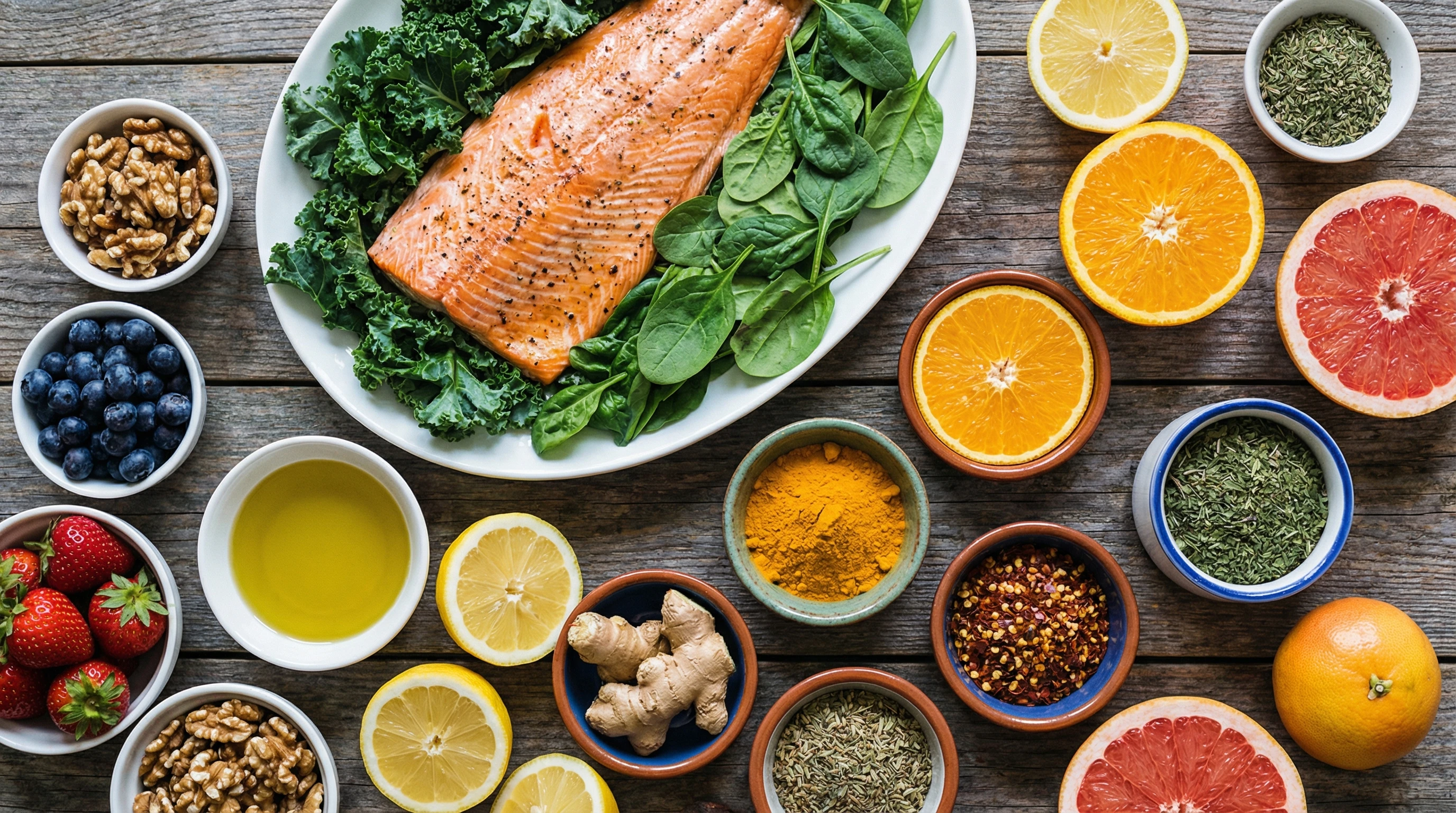
Why Diet Matters for Joint Flexibility
Food gives more than just energy. It supplies nutrients that support joint health. Cartilage, tendons, and even the lubricating fluid of joints depend on steady nutrients for repair and comfort. I noticed that my joints feel best when my meals are varied and balanced, with an eye toward foods that ease inflammation, support collagen, and offer antioxidants. Knowing this helps me make practical food choices that help with flexibility and less morning creakiness.
Joint stiffness and aches, especially as we age or stay active, often come from inflammation, cartilage wear, or lack of proper lubrication. I have found that adding certain foods helps my body recover faster after exercise and cuts down on soreness. Research from sources like the Arthritis Foundation and Harvard Health shows that some foods are linked with reduced inflammation and improved joint function. (source)
Top 10 Foods That Aid in Joint Flexibility
The foods below are staples in my kitchen and on my meal plan. They support joint comfort, and I really feel the difference when I’m consistent about including them in my routine.
- Salmon and Fatty Fish
Salmon, mackerel, and sardines are packed with omega3 fatty acids. Omega3s help reduce inflammation in the body, which can ease stiff or swollen joints. When I eat salmon a few times a week, I notice less stiffness the morning after a workout. Fish oils also help lubricate joints, making movement feel smoother. - Spinach and Leafy Greens
Leafy vegetables like spinach, kale, and Swiss chard are loaded with vitamins C and K, both of which support cartilage health and bone strength. I often throw a handful of spinach into my smoothies or scrambled eggs. Some studies suggest higher vitamin K intake is linked with better joint space and flexibility. - Berries
Blueberries, strawberries, and raspberries are full of antioxidants. These help fight free radicals, which can damage cells in joint tissue. Antioxidantrich fruits also have anthocyanins, compounds shown to lower inflammatory markers in the body. Berries make a sweet, simple snack that supports my flexibility goals. - Walnuts and Flaxseeds
Nuts and seeds, especially walnuts and flaxseeds, offer a plantbased dose of omega3s. Adding a sprinkle of ground flaxseed to oatmeal or yogurt, or grabbing a handful of walnuts, helps me reach my daily omega3 target on days I skip fish. - Olive Oil
Extra virgin olive oil contains oleocanthal, a compound shown to have antiinflammatory effects similar to ibuprofen (according to some laboratory research). Swapping butter for olive oil in cooking supports my joints and is easy to do daily. - Turmeric
The goldenyellow spice turmeric contains curcumin, which helps manage inflammation and ease joint pain. I use turmeric in rice, soups, and stews, or sometimes make turmeric tea. Studies indicate that regular turmeric intake can modestly improve joint mobility and comfort. - Bone Broth
Simmering bones for hours makes a rich broth full of collagen, glucosamine, and chondroitin. These nutrients are building blocks for cartilage and synovial fluid in the joints. Sipping bone broth a few times a week or using it as a soup base helps my knees and shoulders stay limber after busy days. - Oranges and Citrus Fruits
Oranges, grapefruits, and other citrus offer a ton of vitamin C. This vitamin is key for making collagen, which keeps joints cushioned and resilient. Starting my mornings with a fresh orange or a splash of lemon in water is a straightforward way to boost vitamin C. - Garlic
Garlic offers more than flavor; it contains diallyl disulfide, a compound believed to block some enzymes that harm cartilage. I add fresh garlic to salads, dressings, or stirfries. Eating garlic regularly could help slow cartilage breakdown. - Cherry Juice
Tart cherry juice is tied to reduced joint pain and swelling, especially for people who deal with gout or postworkout soreness. The anthocyanins in cherries may lower uric acid levels and ease swelling. I sometimes have a small glass after a tough run or as a dessert alternative.
Core Nutrients for Flexible Joints
I focus on getting enough of certain nutrients to support my goals for joint flexibility. Each nutrient offers unique protection for the structures that keep my joints moving smoothly.
- Omega3 Fatty Acids: These come from fish, walnuts, chia seeds, and flaxseeds. They help keep inflammation in check. Including different sources each week covers my bases and keeps meals interesting.
- Vitamin C: Fruits and vegetables like bell peppers, strawberries, and citrus support the natural repair of joint tissues. I try to include at least one highvitamin C food in my meals every day.
- Collagen and Amino Acids: Bone broth and gelatin provide building blocks for cartilage. I notice my joints feel looser and less likely to pop or catch when I include more of these foods.
- Antioxidants: Foods high in antioxidants, like berries, leafy greens, and nuts, defend my joints against stress and microscopic damage from daily wear and tear.
Real-World Tips for Including JointFriendly Foods in Daily Meals
Working these foods into my daily routine made a bigger difference than supplements alone. Here’s how I keep it manageable and enjoyable:
- I add spinach and berries to my morning smoothie for a head start on vitamins.
- I swap regular cooking oils for extra virgin olive oil in all my sautés.
- When I need a snack, I pick walnuts or a little cherry juice instead of chips or soda.
- Dinner is often salmon or a bowl of hearty soup with bone broth, especially when my joints feel tired.
None of these changes took much effort, and the variety keeps my meals interesting. Sometimes, I’ll prep bone broth in advance and freeze it, so I always have some ready.
Common Challenges and Simple Solutions for Joint Support
- Expense and Accessibility: Some of these foods, like wildcaught salmon or organic berries, can be pricey or hard to find. I buy fresh when possible, but I’m not above using frozen berries or canned salmon for convenience. Both work well and offer many of the same nutrients.
- Allergies or Food Restrictions: If you’re allergic to fish, swapping in walnuts, flaxseeds, or chia gets you plenty of omega3s. For those who avoid dairy, foods like spinach, citrus fruits, and dark greens offer protective vitamins and minerals.
- Taste Preferences: Some foods, like bone broth or garlic, aren’t everyone’s favorite. I mix garlic into sauces or soups for a milder flavor, and I blend bone broth into stews or curries to mask the taste.
Staying Consistent
I found that building habits, like always having a bag of walnuts at my desk or mealprepping salmon, made it easy to regularly eat jointfriendly foods. When I slip up or get off track, I simply aim to add one of these foods back into the next meal rather than stressing.
Frequently Asked Questions
Question: How long does it take for these foods to help joint flexibility?
Answer: My experience is that improvements are gradual. Some people notice less stiffness in a few weeks, especially with more omega3s and berries. For bigger changes to flexibility or comfort, it usually takes consistent meals for at least a month. Longterm habits bring the best results.
Question: Can I rely on supplements instead of foods for joint flexibility?
Answer: Supplements can be useful if a doctor recommends them, but I get better results from whole foods. Natural foods offer a mix of nutrients that work together, not just isolated components.
Question: Should I talk to my doctor before making changes?
Answer: I always recommend checking with a healthcare provider, especially if you have health issues or take medicine, since some foods may interact or need moderation in certain conditions.
Why Starting Early with JointFriendly Foods Makes Daily Life Easier
Working jointfriendly foods into my usual meals means fewer aches during long days or after workouts. I enjoy activities like hiking and gardening more when my joints are comfortable. The positive effects build up over time, and it’s much easier to stay active and independent later when I focus on these habits now. Anyone can start, no matter their age or health, and small additions to daily meals can really help joints move more naturally and painfree.
Thinking about what I eat gives me control over my joint comfort, flexibility, and overall wellbeing. I recommend experimenting with the foods above and seeing what makes a difference for you. Healthy, flexible joints help make daily movement feel good; now and for years to come.