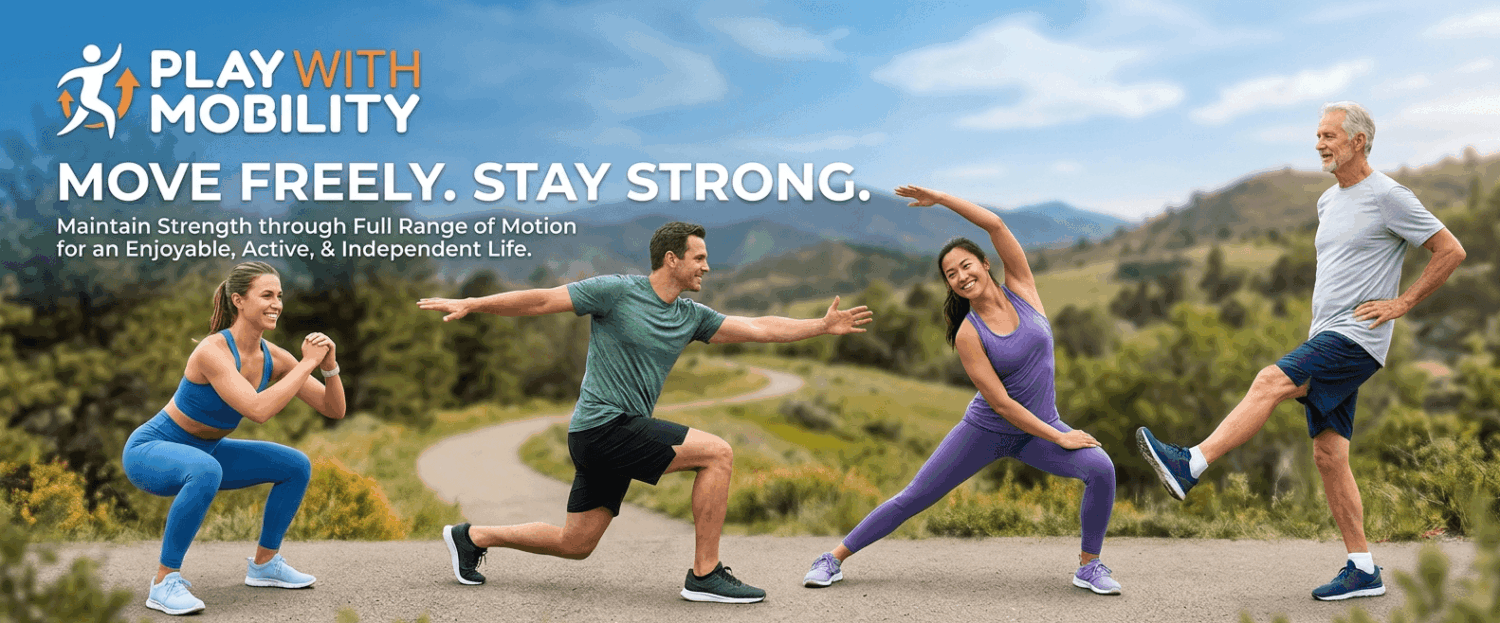
Building and maintaining mobility has become more important than ever, especially when many of us spend long hours sitting at desks or working with technology. For me, finding ways to stay mobile and flexible helped my posture, reduced daily aches, and even improved my workout performance. The good news is that you do not need complicated equipment or a gym membership to start improving your body’s movement. Bodyweight exercises are great for this because they use your natural strength to increase both flexibility and function. I’m going to break down the benefits of bodyweight exercises for mobility and how you can fit them into your routine.
Understanding Mobility and Why It Matters
Mobility is your body’s ability to move freely and easily through different ranges of motion. It’s more than just flexibility. Flexibility is about how far a muscle can stretch, while mobility is about how well a joint can move through a controlled stretch or action. So if I can reach my arms overhead without feeling stiff or strained, that shows good shoulder mobility.
Having good mobility in your joints makes everyday tasks, like reaching for something on a shelf or squatting to pick up a box, feel easier. It also helps reduce the risk of injury, especially as you age or become more active.
Why I Rely on Bodyweight Exercises for Mobility
Bodyweight exercises use your own weight as resistance, so you don’t need special gear. I like bodyweight movements for increasing mobility because they mimic natural motions and force you to control your body through a full range of motion. This can lead to better balance, coordination, and strength in addition to increased flexibility. Here are the big reasons I stick with bodyweight moves to help my mobility:
- Accessible Anywhere: No need for a gym. You can do these moves at home, the park, or while traveling.
- Less Strain on Joints: Bodyweight exercises often allow you to move more naturally, reducing the force that sometimes comes with weights or machines.
- Encourage Functional Movements: Moves like squats, lunges, and planks support better posture and help with everyday actions.
- Customizable for Any Level: You can make exercises easier or harder as needed, which means you keep improving without feeling overwhelmed or bored.
Getting Started With Bodyweight Mobility Exercises
I started with moves that target the biggest muscle groups and work several joints at once. Here are some classics that helped me the most:
- Squats: These work your hips, knees, and ankles. Keeping your feet flat and lowering all the way down gets these joints moving more smoothly.
- Lunges: Stepping forward or backward in a lunge helps strengthen your legs while opening up your hips.
- World’s Greatest Stretch: This is a long name for a move that combines a lunge, torso twist, and hamstring stretch. It’s one of my all-time favorites for waking up the whole body.
- Shoulder Pass-Throughs (with a towel or band): Even though it involves a tool, it’s still a bodyweight move. Holding a towel wide and moving it up and over your head helps with shoulder and chest mobility.
- Plank to Downward Dog: Start in a plank and lift your hips up, stretching your back and calves, before returning to plank. This stretch keeps your shoulders, wrists, and ankles healthy.
Practicing these moves regularly made my body feel less stiff, especially after a long day of sitting. I noticed I could reach, twist, and bend with a lot less effort, which translated into smoother motion whether I was working out or just going about daily activities.
On top of these classics, I occasionally mixed in other moves like the frog stretch or spinal rotations. Moves like the frog stretch are excellent for hip openness, while spinal rotations target the mid-back for improved twisting during everyday movements. You can experiment with different stretches to find which ones best fit your needs and keep things fresh.
How to Build a Mobility Routine That Fits Your Life
Adding mobility exercises to your routine does not have to take a lot of time. I started with small changes, just five to ten minutes every morning before breakfast. Here’s what worked for me:
- Pick 3-5 Moves: Choose a mix of lower and upper body movements. For example, one day I might do squats, hip openers, and shoulder stretches.
- Repetitions Over Intensity: The goal is to move smoothly and slowly, not rush. I aim for 8-12 reps or 30 seconds per exercise, focusing on control.
- Link Exercises Together: Flowing from one move to the next keeps things interesting and helps raise your heart rate.
- Be Consistent: Doing a short routine daily works better than occasional long sessions. My mobility improved most when I stuck to a simple routine every morning.
Keeping the habit easy and fun was important for me. I tracked routines in my phone notes and gave myself credit for any amount of movement each day. This way I didn’t get stuck thinking I had to do a “perfect” workout to make real progress. A friend also suggested pairing mobility exercises with favorite music or podcasts, which added a little enjoyment and helped me look forward to each session.
Common Barriers and How I Worked Through Them
Just like with any new habit, I faced a few obstacles. The most common was a lack of motivation on busy days. I realized that making the routine short and focusing on how good I felt after helped me stick with it. Here are some practical tips for keeping up a mobility routine:
- Lack of Time: Even two minutes of stretching helps. I found tying it to another habit, like brushing my teeth or making coffee, worked well.
- Feeling Stiff or Sore: If I woke up sore, I used gentle, slow movements and avoided anything that felt sharp or uncomfortable. Over time, the stiffness lessened.
- Boredom: Mixing up my routine or following short online videos brought in variety and kept things interesting.
Bodyweight mobility exercises are gentle enough that most people can do them daily, but if you have health concerns or a recent injury, it helps to check with a health care provider to adapt the plan to your needs.
Extra Tips for Getting More Out of Your Mobility Work
After getting comfortable with the basics, I started adding little changes to make bodyweight workouts more effective and enjoyable. Some things I found helpful include:
Focus On Your Breath: Breathing deeply through each movement relaxed my muscles and allowed greater stretching. Inhaling as I moved into a stretch and exhaling as I returned really helped.
Move Slowly And With Control: I tried not to rush repetitions. Moving slowly let me feel where my body was tight and helped avoid straining anything by accident.
Add Balance Challenges: Simple moves like standing on one leg forced my small stabilizing muscles to work a bit harder and made my ankles and knees stronger.
Track Progress: Keeping a simple log of which exercises felt easy or tough over time showed me just how much I was improving. This was encouraging, especially on days when motivation felt low.
Another tip is to practice mobility exercises as movement breaks during the workday. For instance, taking five minutes to do some lunges or shoulder stretches after a long meeting makes you feel recharged. Stretching during these breaks keeps the routine manageable and prevents stiffness from building up.
Real-World Benefits and Everyday Examples
I noticed a big switch up in my daily comfort and performance after doing these exercises consistently. For example, after a couple of months, tying my shoes, reaching for items on tall shelves, or getting up from the floor felt easier and smoother. Friends who also included bodyweight mobility exercises told me about similar results; they spent less time recovering from sore muscles after a workout or a long drive, and felt steadier when hiking or cycling.
- Office Workers: Regular squats and chest openers helped me counteract the slouched position from hours at a computer.
- Athletes: Moves like hip mobility drills improved my running stride, made cycling more efficient, and lowered post-workout tightness.
- Older Adults: Gentle, controlled bodyweight moves were effective for staying limber, maintaining balance, and keeping daily independence.
The improvements aren’t just physical. Feeling more mobile every day helped my mood and gave me a little boost of accomplishment, especially on days that felt slow or tiring. It’s really rewarding to see how a small commitment to daily mobility work sets you up for easier and more enjoyable movement in all areas of life.
Frequently Asked Questions
People interested in bodyweight mobility training often have similar questions, so I’m happy to answer a few that came up when I started out:
Q: How often should I do mobility exercises?
A: Doing these exercises daily or at least three to four times per week is the best way to see progress. Short daily stretches worked best for me.
Q: How long before I notice results?
A: Most people, including myself, notice some changes after just one to two weeks if they stick with it. Full benefits show up after a month or so of consistent effort.
Q: Is it ok to only do bodyweight exercises, or do I need weights too?
A: You can see great gains in mobility, flexibility, and functional strength using only your body weight. If you want, weights can be added later, but starting simple is very effective.
Q: What if I have limited space?
A: The great thing about most of these moves is they fit easily into small spaces. Many stretches can be done in your living room or even by your desk if you’re working from home.
Final Thoughts
Improving mobility doesn’t need to be complicated or require lots of equipment. Bodyweight exercises are practical, versatile, and can be done almost anywhere. By keeping things simple and focusing on regular movement, I found better flexibility, less daily discomfort, and overall improved well-being. Adding just a few minutes of these movements to your day can make daily tasks easier and support long-term health. With small shifts and a bit of consistency, bodyweight mobility work can fit into any routine and set you up for years of smoother movement and independence.