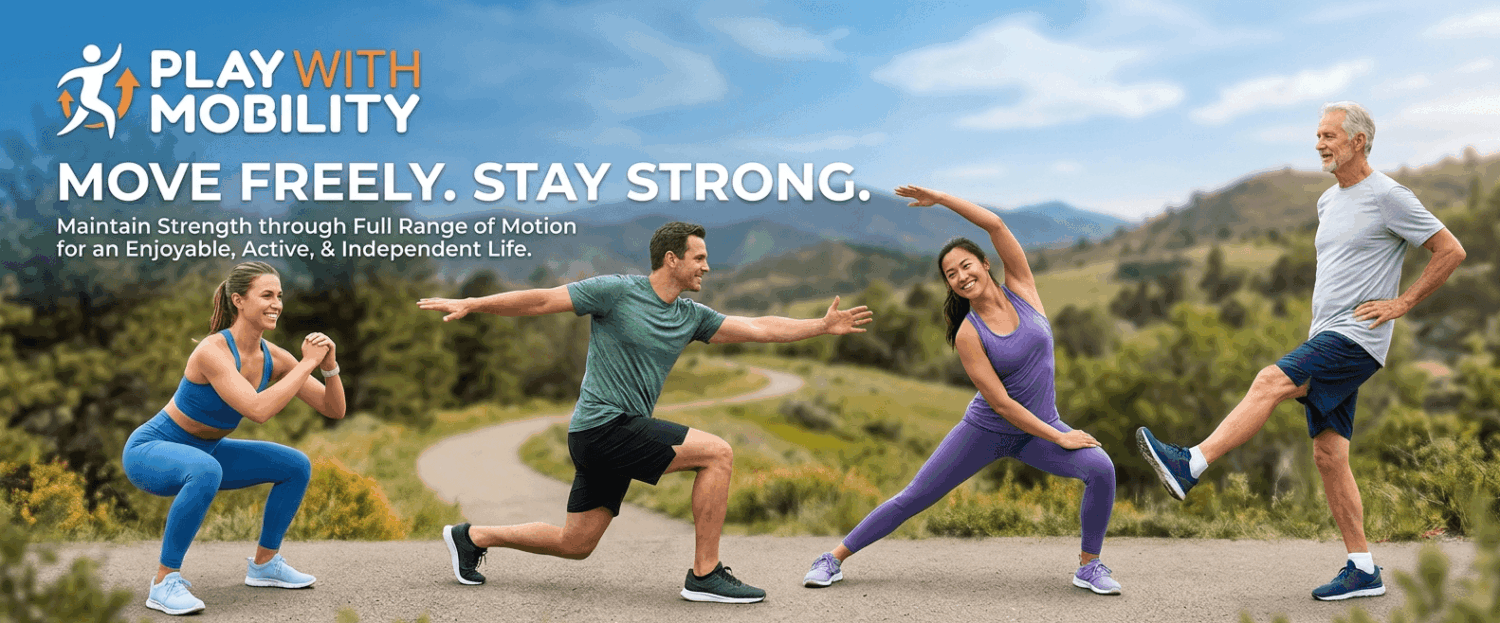
When I started looking for new ways to move better and stay active, I realized how important it is to balance both mobility and flexibility. While most people talk about stretching or strength training, building a solid routine with exercises that boost movement range and joint flexibility can make daily life a lot more comfortable. Achieving this balance helps prevent injuries and keeps the body feeling loose and capable. In this article, I’ll share my top 10 exercises that mix movement and flexibility, plus some guidance on building a routine that fits your lifestyle.
Understanding Mobility and Flexibility
Before I break down the exercises, I want to explain what mobility and flexibility really mean. Flexibility is about how much a muscle can stretch. Mobility, on the other hand, is all about how well a joint can move through its full range. Both are important for everyday tasks, like reaching a high shelf or squatting down to tie your shoes. If you only focus on flexibility, your muscles may stretch but not support good movement. If you only focus on mobility, your joints may move but your muscles won’t help you control that movement. Balancing both is key for healthy movement and reducing discomfort or stiffness as you age.
How I Chose These Top 10 Exercises
When picking these exercises, I looked for moves anyone can do, even without fancy equipment. I made sure each exercise targets a common tight or stiff area, like hips, shoulders, or the back. My goal is to help you move better and feel less tension, whether you spend your days sitting at a desk or on your feet. I included movements that challenge my own body and help me recover faster after a long day or a tough workout. I also picked exercises that work for many fitness levels, from beginners to those already familiar with stretching and movement training.
The Top 10 Exercises for Mobility and Flexibility
- World’s Greatest Stretch
This move opens up your hips, hamstrings, glutes, back, and shoulders in one fluid stretch. I step forward into a lunge, lower my elbow toward the inside of my foot, then twist my upper body toward the front leg. My chest faces out and my eyes track my hand. I hold for a few seconds, then switch sides. It’s a go-to stretch, especially when I feel stiff after sitting. - Couch Stretch
Sitting for hours can make the front of my hips tight. Using a wall or a couch, I kneel with one leg bent back and the knee close to the wall. My other foot is in front, giving me balance. This stretch really reaches my hip flexors and quads, which helps with lower back tension. - Cat-Cow Movement
On all fours, I alternate arching my back up (cat) and dipping my back down with my chest open (cow). This movement feels especially good in the morning or after working at a computer. My spine loosens up, and my shoulders and core muscles get a gentle activation. - Deep Squat Hold
Dropping into a squat with my feet about hip width apart, I keep my chest up and let my hips sink as low as they’ll go. Holding this position stretches my groin, ankles, and back. I sometimes shift side to side for more movement. This pose is great for hip and ankle flexibility. - 9090 Hip Switch
Seated on the floor, I bend both knees roughly 90 degrees, one leg in front and the other behind. I rotate my knees side to side, letting my hips move smoothly. This exercise targets hip rotation, something many of us neglect. My hips feel looser after this drill, which shows just how useful it is for daily movement. - Shoulder PassThroughs
For shoulder flexibility, I use a resistance band or broomstick. I grip the ends and lift the stick from my thighs overhead, keeping my arms straight, then lower behind me and back up. If I feel tight, I widen my grip. I rely on this movement after upper body days or long typing sessions. - Lateral Lunge Stretch
Standing widelegged, I shift my weight side to side, bending one knee while keeping the other leg straight. I feel the stretch in my inner thighs and groin, and also train sidetoside hip mobility that helps with sports and daily movements. - Thoracic Spine Rotations
With hands and knees on the ground, I place one hand behind my head and rotate my upper body up, then back down under my other arm. This move helps my midback mobility, which often gets tight from posture habits or lifting. - Downward Dog to Cobra Flow
I move from a downward dog position (hips high, legs straight, chest toward legs) to a cobra stretch (hips down, chest up, arching back). Flowing between the two stretches my calves, hamstrings, and opens my chest and spine. This flow wakes up my entire body, especially after sleeping. - Ankle Alphabets
Sitting down, I extend one leg and use my foot to “write” the alphabet in the air. I do this slowly, making the ankle work through all its possible directions. It’s a simple way to improve ankle mobility, which keeps my walking, running, and squatting painfree.
How to Combine These Exercises in Your Routine
Building a routine that actually works is really important for making progress. I like to choose three to five of these exercises, then cycle through them in a warmup or as a standalone session on a rest day. For each, I usually spend 30 seconds to a minute. Some moves, like the squat hold or the world’s greatest stretch, feel better if you hold them a little longer. If you work at a desk, sprinkling a few exercises throughout your day helps you stay limber. The main thing is to listen to your body and never force a stretch. Gentle progress beats pushing too hard and feeling sore.
Another tip is tracking your progress, even in small ways. Keeping a brief diary or notes on your phone can give a sense of achievement and show real improvements. Don’t forget to adjust your routine as your body gets stronger and more limber, adding new moves or holding stretches for longer when you’re ready. Switching things up fights boredom and keeps your progress going strong.
Common Challenges and How To Overcome Them
- Time Constraints: Many people, myself included, struggle to fit mobility work into a packed schedule. I found that sticking to shorter, regular sessions is better than long, infrequent workouts. Even five to ten minutes can make a real difference.
- Lack of Progress: Sometimes, improvements feel slow. I remind myself that consistency matters most. Taking pictures or videos occasionally helps me spot subtle changes, and celebrating small wins helps keep motivation high.
- Discomfort vs. Pain: A stretch should feel like gentle tension, not pain. I pay close attention to my body and stop if a position feels wrong. Checking in with a physical therapist or coach, when possible, is a good way to get feedback and stay safe.
- Forgetting to Breathe: Relaxed, steady breathing helps my body settle into each movement. I count a slow breath in and out as I hold each stretch, which keeps me calm and focused. Intentional breathing can make each exercise more comfortable and effective.
Key Tips for Safe and Effective Practice
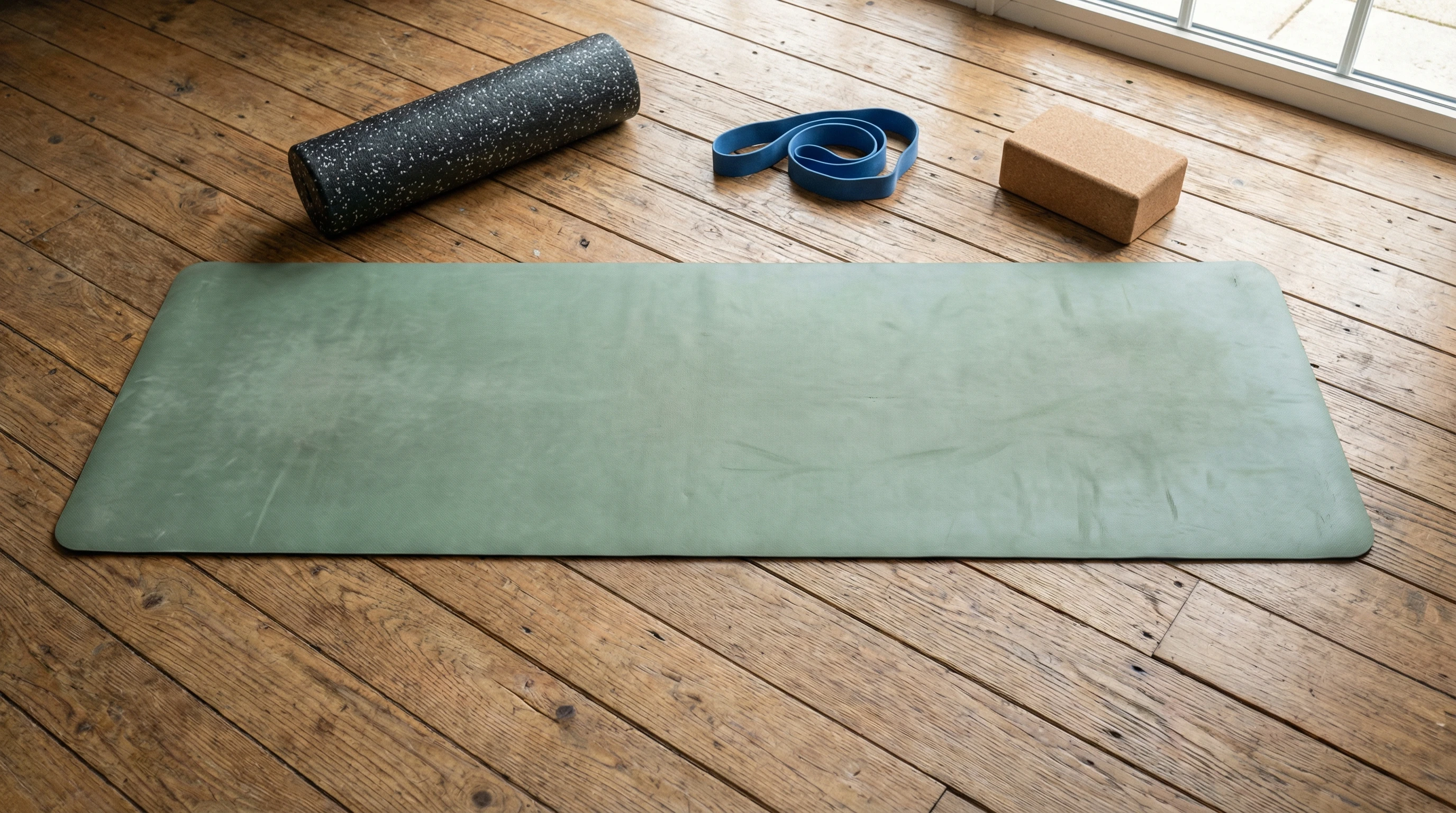
Success in mobility and flexibility takes time and dedication, but there are tricks I’ve learned along the way. Warming up gently before stretching increases blood flow and gets the joints ready. For extra support, I use props like yoga blocks, resistance bands, or a foam roller. Picking moves that match your current ability is the smart way to avoid injury. Hydration matters as well. A well hydrated body moves better and feels less stiff. Sleep, nutrition, and recovery also play important roles in how flexible and mobile your body stays as you get older.
Real-Life Benefits I’ve Noticed
Since making these exercises part of my weekly routine, I’ve noticed I recover faster from workouts and feel less stiff in the mornings. Playing sports or running errands feels smoother, with fewer aches in my knees and back. I also move through daily activities with more confidence. A solid base of mobility and flexibility is useful not just for athletes, but for anyone who wants to move through life comfortably.
- Desk Job Relief: Regular hip and shoulder stretching helps me avoid the cramps and knots I used to get after hours at a computer.
- Sports and Workouts: I noticed better squat depth and stronger overhead lifts once I added thoracic and hip mobility exercises to my warm up.
- Everyday Comfort: Even simple tasks like getting in and out of the car or reaching upward to grab something from a shelf feel easier and more natural. Carrying groceries or dealing with stairs is smoother, too.
Frequently Asked Questions
Question: How often should I do mobility and flexibility exercises?
Answer: I try to do these exercises at least three times a week. On busy days, a quick five to ten minute routine is enough to keep up progress. Some people prefer daily sessions for maintenance, but even every other day works if you’re consistent.
Question: Should I stretch before or after my workouts?
Answer: I use moving stretches as a warmup to get the blood flowing. Longer holds are safer after workouts, when muscles are warm and ready for deeper stretching. That way, you prepare the body safely and avoid unnecessary strain.
Question: What if I feel pain during a stretch?
Answer: Mild discomfort is normal, but sharp or lingering pain means it’s time to stop. I suggest easing up and, if the pain continues, asking a healthcare provider or coach for advice. Pain is never a good sign while stretching or moving. It’s always better to err on the side of caution.
Why Balancing Mobility and Flexibility Matters
Adding these ten exercises into my own routine has helped me move better, recover faster, and feel more agile. Even if you’re starting fresh, remember that consistent effort brings results. Small improvements add up, and the benefits are clear both in workouts and everyday life. With patience and focused practice, you’ll move more freely, reduce your chances of injury, and enjoy the comfort that comes with a body that’s ready for anything. The best part? It can all fit into your current routine, no matter how busy you are. Start today, keep things simple, and you’ll feel the difference one step at a time.