
Joint pain can slow down everyday activities and make even basic tasks feel challenging. I’ve found that what I eat directly affects how my joints feel. The antiinflammatory diet is one approach that has really helped tackle my joint discomfort by focusing on foods that help lower inflammation inside my body. By following a plan designed for joint pain, I can often move more comfortably, and my day feels a lot smoother. Here, I’ll share a guideline for following the antiinflammatory diet with joint pain relief as the main goal.
How Inflammation Affects Joint Pain
When I hear about joint pain, inflammation is almost always part of the story. Inflammation is the body’s way of protecting itself from injury, infection, or harm. For short periods, inflammation actually helps healing. But when inflammation sticks around for too long (chronic inflammation), it can damage joints and cause pain. Common conditions like arthritis are clear examples of chronic inflammation causing joint discomfort. My experience has been that paying attention to what I eat plays a really important role in managing how much inflammation is present in my body. Certain foods can make inflammation worse, while others can help keep it low.
What is the Anti-Inflammatory Diet?
The antiinflammatory diet isn’t a strict single plan, but more a way of choosing foods that help reduce inflammation. Instead of cutting everything out, I focus on eating a mix of whole foods that help calm my body. This usually means more fruits, vegetables, whole grains, nuts, seeds, healthy fats, and fish. At the same time, I try to limit foods known to trigger inflammation, such as processed snacks, fried foods, refined sugar, and red or processed meats.
Some meal plans, like the Mediterranean diet or the DASH diet, are examples of an antiinflammatory approach. They provide ideas and recipes that make sticking to an antiinflammatory diet easier. I like to keep it simple: “If it’s colorful, comes from nature, and is fresh, it probably supports my joints.”
Key Foods that Help Reduce Inflammation
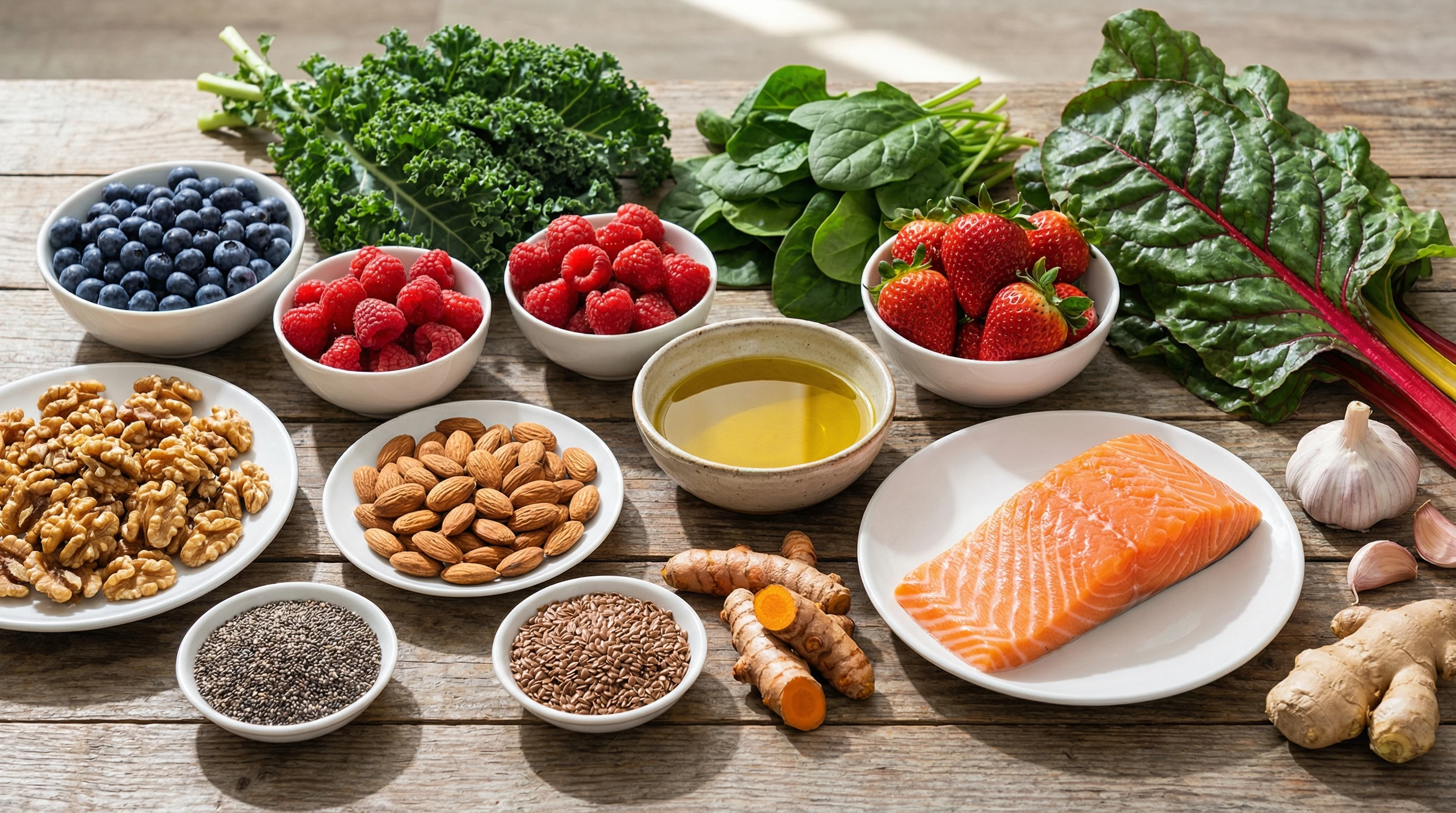
Focusing on certain foods makes a noticeable difference for joint pain relief. Here’s what I often add to my meals:
- Fatty Fish: Salmon, sardines, and mackerel are high in omega3 fatty acids, which studies show can help reduce inflammation and ease joint pain (Arthritis Foundation).
- Berries: Strawberries, blueberries, and blackberries are full of antioxidants that fight inflammation.
- Leafy Greens: Spinach, kale, and Swiss chard are packed with vitamins and minerals that help keep inflammation low.
- Extra Virgin Olive Oil: This oil contains oleocanthal, a compound which can act like ibuprofen for the body, easing some types of joint pain and swelling.
- Nuts & Seeds: Walnuts, flaxseed, and chia seeds add healthy fats and fiber to the diet, and are easy to sprinkle onto salads or oatmeal.
- Tumeric & Ginger: Both spices have natural antiinflammatory properties that I find helpful for joint comfort.
- Whole Grains: Brown rice, quinoa, and oatmeal give me lasting energy and extra fiber, which also supports lower inflammation.
Including these foods regularly not only benefits joint health, but also boosts overall nutrition for the body. To keep things interesting, I like trying out new recipes that feature different fruits or vegetables each week—variety can help make healthy eating more enjoyable.
Foods and Habits to Avoid
While it can be fun to focus on what to eat, I also try to keep an eye on foods that can make inflammation worse. My joints feel better when I keep these to a minimum:
- Processed and Fried Foods: Packaged snacks, chips, and fried foods can make inflammation spike.
- Sugary Treats: Cakes, sodas, and candies may taste good, but my knees and hands often ache more when I have them too often.
- Red & Processed Meats: Sausages, bacon, and other processed meats tend to increase inflammation and discomfort for me.
- Excess Alcohol: I notice extra swelling in my joints if I drink too much.
- Refined Grains: White bread, white rice, and pastries are less helpful for inflammation compared to whole grains.
Changing eating habits takes time. My approach has always been to make one change at a time, so it doesn’t feel overwhelming. Small swaps, like switching to olive oil instead of butter, can add up over weeks and months. Making these swaps routinely helps me stay on track and feel more motivated.
How to Start an Anti-Inflammatory Diet for Joint Pain
Getting started doesn’t require a complete kitchen overhaul. The tips below have made the transition smoother for me:
- Stock Up on Staples: I keep whole grains, beans, nuts, seeds, and olive oil on hand. These form the base for a lot of meals.
- Plan Simple Meals: I focus on dishes that include a mix of lean protein, vegetables, and healthy fats. For example, a bowl of oatmeal with berries and walnuts is both delicious and supportive of joint health.
- Eat Colorful: Adding different colored fruits and veggies makes meals more interesting and usually means I’m getting more antiinflammatory nutrients.
- Cook at Home More Often: I’ve found that homemade meals give me more control over ingredients, so it’s easier to avoid foods that may flare up my joint pain.
Batchcooking and preparing foods in advance has helped me stick to this diet even on busy days. There are also lots of free meal planning resources online that I turn to when I need inspiration. Grocery lists and weekly menus help take the guesswork out of eating better. For anyone starting off, keeping healthy snacks ready can also cut down on the temptation to reach for less healthy options.
Common Obstacles and Practical Tips
Adopting a new diet brings some challenges, but from my experience, being prepared helps. Here are a few common obstacles and how I manage them:
- Grocery Budget: Eating more fresh food doesn’t have to be expensive. I look for what’s in season and buy frozen vegetables and fish on sale, which usually cost less. Sometimes, shopping at bulk stores or local markets offers better deals.
- Cravings for Comfort Foods: Instead of reaching for chips or cookies, I’ll snack on roasted chickpeas or fruit with nut butter.
- Eating Out: I look at menus beforehand for grilled fish, roasted vegetables, and salads with olive oil dressing. Most places can accommodate swaps if I explain my needs.
Hydration is something I pay careful attention to as well. Drinking enough water supports joint lubrication and helps flush out substances that may add to inflammation. I keep a reusable water bottle nearby throughout the day as a reminder to stay hydrated. To boost hydration, adding slices of fruit or cucumber to water can make it a little more flavorful and tempting.
Frequently Asked Questions about the Anti-Inflammatory Diet and Joint Pain
Many people ask similar questions when exploring the antiinflammatory diet for the first time. I’ll answer some of the most common below:
Question: How long does it take to notice less joint pain after starting?
Answer: In my case, some changes appeared over a few weeks, but the biggest improvements came after consistent eating for about two or three months. Every person’s body is different, so tracking changes in a journal helps spot progress.
Question: Is it necessary to cut out all processed foods?
Answer: I find that reducing, rather than completely eliminating, processed foods is a lot more realistic. Having a treat every so often isn’t likely to undo progress, especially if my overall routine centers on whole foods.
Question: Are supplements like fish oil or turmeric just as helpful?
Answer: While supplements can support an antiinflammatory approach, I aim to get most nutrients from fresh foods first. If I’m curious about adding supplements, I talk with a doctor or dietitian to make sure they fit my health needs.
Question: Can an antiinflammatory diet help other issues besides joint pain?
Answer: Yes, a diet that targets inflammation can often give a boost to heart health, support a healthy weight, and even steady blood sugar levels. These extra benefits can make it worthwhile, even if joint pain relief takes time.
Everyday Benefits Beyond Joint Pain Relief
Following an antiinflammatory diet has helped more than just my joints. I’ve found that my energy levels stay steadier throughout the day. My mood is brighter, and I fall asleep easier at night. These everyday perks make it easier to stay committed, especially when I’m not immediately feeling joint improvements. Research supports that antiinflammatory diets can help protect against heart disease and other chronic illnesses, which adds to my motivation (Harvard Health Publishing).
Building a Sustainable Anti-Inflammatory Lifestyle
Sticking to an antiinflammatory plan over time works best when it fits naturally into my life. Instead of going for a short challenge, I focus on building habits that will last. I make sure to get enough sleep, manage stress, and add regular movement to my week. Even lowimpact activities like walking and stretching gently support joint health. Social support makes everything easier, too. Sharing recipes and tips with friends or joining online groups keeps me inspired and gives new meal ideas when I get bored of the usual.
With time, the antiinflammatory diet has become a steady part of my daily routine. The upsides for my joints and my overall wellbeing continue to motivate me. If you’re dealing with joint discomfort, giving this diet a try could help you feel better and more in control of your health.