
Mobility and flexibility often come up in fitness advice and recovery routines, but there are plenty of misconceptions about what they really mean and how to improve them. Whether you’re trying to ease daily movement, boost sports performance, or just feel less stiff getting out of bed, knowing the facts makes a real difference. My goal here is to break down some of the most common myths I’ve seen and explain what actually works, so you can level up your movement and comfort.
What Mobility and Flexibility Actually Mean
These two terms get mixed up a lot, but they describe different things. Flexibility is how much a muscle can lengthen, while mobility means how well a joint moves through its range of motion. So, if my hamstrings stretch far, that’s flexibility. If my hip joint moves freely in all directions, that’s mobility. Both matter for ease of movement and injury prevention, but they’re not the same, despite what I often hear in gyms and online tutorials.
The American Council on Exercise and other trusted organizations make a clear distinction between these terms. I’ve noticed that people often focus only on stretching muscles, but that’s just part of the story. To move well, joints need to be able to handle different positions. That relies on not just muscles but also tendons, ligaments, and even joint capsules all working together (source).
Popular Myths and What Actually Matters
There’s plenty of advice out there that sounds good, but it doesn’t always hold up in practice. I want to clear up some of the biggest myths about stretching, mobility drills, and flexibility training.
- Myth: Stretching before exercise prevents injuries.
Static stretching, where you hold a muscle in one position for a while, doesn’t actually reduce the risk of most injuries. Studies from the Centers for Disease Control and Prevention show that traditional preworkout stretching doesn’t mean you’ll avoid muscle strains (source). Dynamic warmups, which involve moving through full ranges of motion, prepare muscles and joints much better for activity. - Myth: Flexibility and mobility are only important for athletes or dancers.
I hear this a lot, but good mobility helps me do everyday things like bending over, picking up groceries, or climbing stairs. Improved flexibility and joint function also matter for posture and balance, especially as people age. - Myth: You have to stretch every day to maintain flexibility.
Consistency is helpful, but skipping a day or two doesn’t automatically make you stiff. Research shows that regular movement and incorporating activities that challenge your joints are just as valuable as daily stretching. For many, stretching three times a week still shows great benefits. - Myth: You’re either born flexible or not. There’s nothing you can do about it.
The truth is, almost everyone can improve with the right approach. Genetics play a role, but so does lifestyle. Sitting for hours, repeating the same movements, or not moving enough over time will make anyone less mobile, regardless of how bendy they were as kids.
Breaking Down the Most Common Mistakes
Many routines miss important pieces or use outdated advice that slows progress. Here’s a closer look at some mistakes and how to fix them.
- Only doing static stretching: Holding a toe touch isn’t enough. Moving joints through controlled, active motions, such as leg swings or arm circles, can help muscles actually support movement.
- Ignoring strength training: Strong muscles mean better mobility, because strength training keeps joints stable as they move. For instance, building hip and core strength can actually help my hamstrings move more freely for smoother motion overall.
- Relying on onesizefitsall routines: What works for a gymnast often won’t work for me if I’m looking to walk comfortably or ease lower back pain. Personal goals and body structure change how I’ll approach mobility and flexibility routines.
- Forgetting about daily habits: Sitting for long periods or always carrying a bag on one side of my body can limit range over time, no matter how much I stretch. I make a point to notice my regular habits and adjust them for balance.
How to Improve Both Mobility and Flexibility
Real improvements come from a mix of approaches, not just holding a pose or following a trending video. Here are practical, researchbacked steps I use and suggest for lasting benefits:
- Warm up with movement: I like dynamic stretches—think of twisting the hips or walking lunges—to get blood flowing and prime joints before more intense activity.
- Stretch after you’re warm: When muscles are warmer, I find it easier and safer to improve flexibility using static stretches. Holding each stretch for 20 to 30 seconds is usually enough.
- Add controlled strength moves: Movements like deep squats or shoulder rolls use both flexibility and control. These help stabilize my joints as they gain range, and build supportive muscles too.
- Don’t force it: Stretching shouldn’t feel painful. I avoid pushing past a gentle tension because overstretching actually increases injury risk. If it feels sharp, I scale back.
- Incorporate rest and variety: Muscles need time to adapt, and switching up routines helps target stubborn spots that daily habits might keep tight. I sometimes add gentle yoga or try different stretches to mix things up.
Practicing a balance of these techniques over weeks instead of days brings the best results. Consistency is important, but varying the routine helps keep things fresh and targets more areas.
Challenges and How I Handle Them
- Progress feels slow: Improved range of motion doesn’t always show up fast. For me, progress means less stiffness in the morning or being able to reach a little farther. I keep track of these small changes over weeks, not days.
- Staying motivated for routine work: Following the same program can get boring, so I mix things up by adding yoga one day and focusing on deep breathing and relaxation the next. Sometimes, I invite a friend for a stretch session to make it social.
- Soreness or minor injuries: If I feel sharp pain, I pause and use gentler movements. Recovery days with gentle walking, massage, or even hot showers are really helpful for easing tension and soreness.
- Fitting it into a busy schedule: Even five or ten minutes of stretching or joint movement daily adds up. I do a quick stretch break while making coffee or after getting up from a long session at my desk. Little bits throughout the day keep me progressing.
About Stretching Tools and Equipment
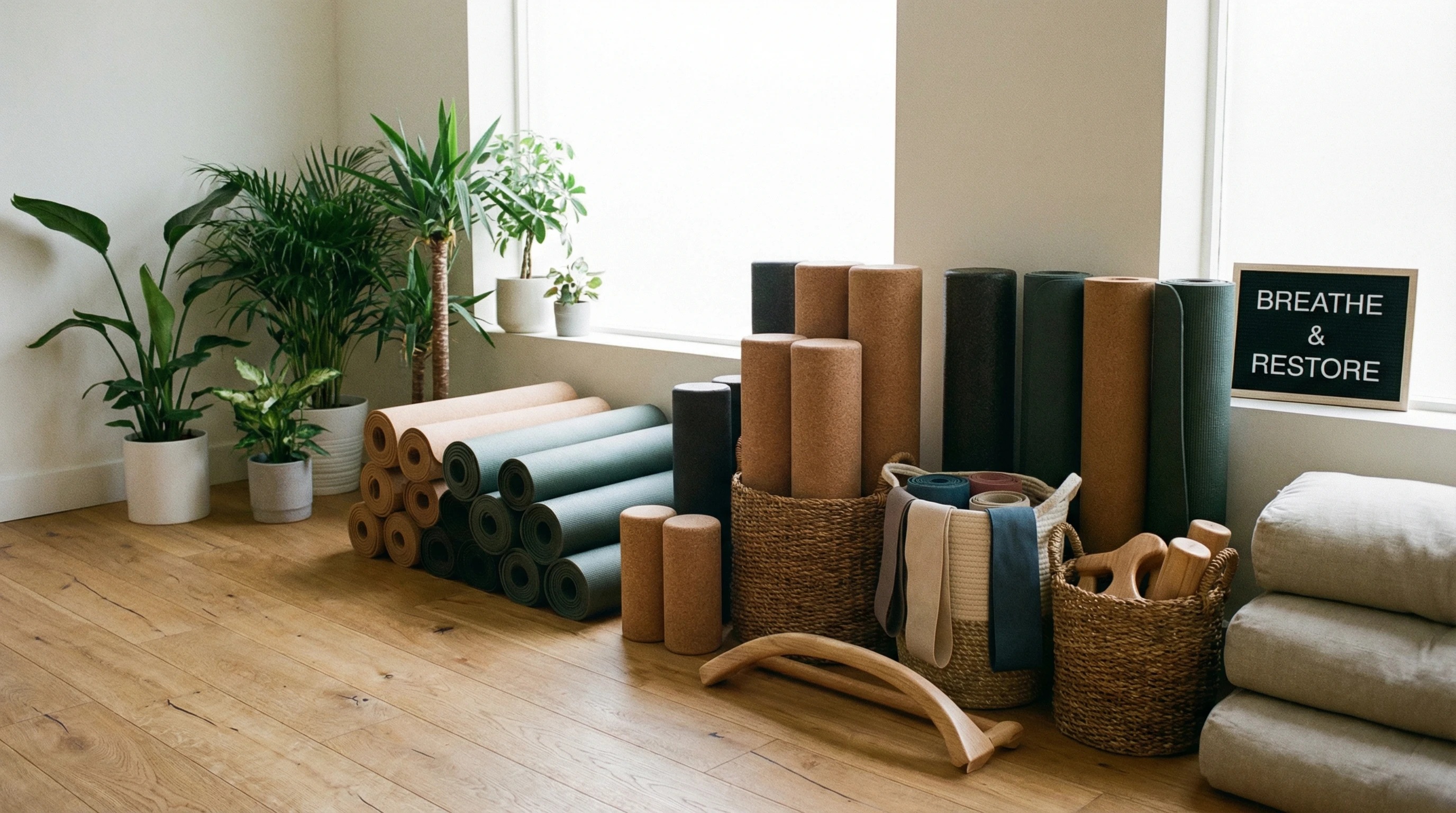
Sometimes I use tools like foam rollers, stretch straps, or mobility balls. These aren’t required, but they can add some variety, help me reach certain areas, or ease into a stretch. For example, I use a foam roller on my upper back before deeper shoulder stretches. Stretching on mats offers comfort for the knees and elbows, too.
The Role of Professional Guidance
Working with a physical therapist, yoga instructor, or mobility coach has been really useful for me, especially if I get stiffness that won’t budge on my own. Pros know how to spot compensation patterns and suggest personalized routines that work better than guesswork. As I learned more from professionals, I found some stretches needed slight tweaks for my own body’s quirks.
RealLife Applications Beyond the Gym
I’ve found that mobility and flexibility improvements help with much more than workouts. Lifting a toddler, gardening, and even getting dressed feel easier with better range of motion. Older adults especially benefit—good joint movement can reduce fall risk and help maintain independence longer (source).
- Sports Performance: Runners, swimmers, and tennis players all use mobility work for smoother movement and fewer strains.
- Rehabilitation: After an injury, rebuilding joint function is key before returning to full activity. Gentle strengthening and flexibility work help restore natural movement for daily activities and sports.
- Everyday Comfort: More movement variety can mean less back and hip stiffness from desk jobs or screen time. Tasks like reaching high shelves or tying shoes get easier when my joints and muscles are in good shape.
Mobility and flexibility also act as essential insurance for aging gracefully. Regular practice can slow down the gradual loss of joint range and support active living for as long as possible. Even hobbies like dancing, hiking, or playing with pets become more enjoyable.
Frequently Asked Questions
Here are a few questions I often get or have had myself on this topic:
Question: Can I be too flexible?
Answer: Yes. Extreme flexibility can make joints unstable, especially if muscles aren’t strong enough to control the movement. The healthiest bodies balance flexibility, strength, and control for best results.
Question: How young or old is too old to start working on mobility?
Answer: There’s no age limit. It’s never too late to add gentle movement and stretching to your routine, even if you haven’t done much before. I’ve met people in their 70s who made real improvements with regular effort.
Question: How can I tell if I have good mobility?
Answer: I check if my joints move comfortably through their full range without pain or lots of restriction. If turning my head, reaching overhead, or sitting in a squat feels tight, it may be time to work on mobility. Testing basic movements every few months is a good way to track progress.
Key Takeaways for Better Mobility and Flexibility
Mobility and flexibility aren’t about chasing extreme bends or nextlevel cool poses, but about helping joints and muscles work for real life. I focus on routines that combine strength, controlled stretching, and daily movement to see steady gains and feel more comfortable overall. Anyone can benefit, and the best routines come from understanding your own needs—not from following fitness myths or one size fits all advice. Mixing up routine, checking in with your body, and sticking with it are the real secrets to feeling and moving better, whatever your age or experience.