

Mindful stretching and joint release routines have caught the attention of those who want to care for both body and mind. By blending gentle movement and intentional breathing, I’ve found these practices offer real support for physical comfort while also helping to manage stress and boost mental health. Through my own experiences, I want to help you get started with routines that can bring balance to your day, support your mood, and fit into busy lives.
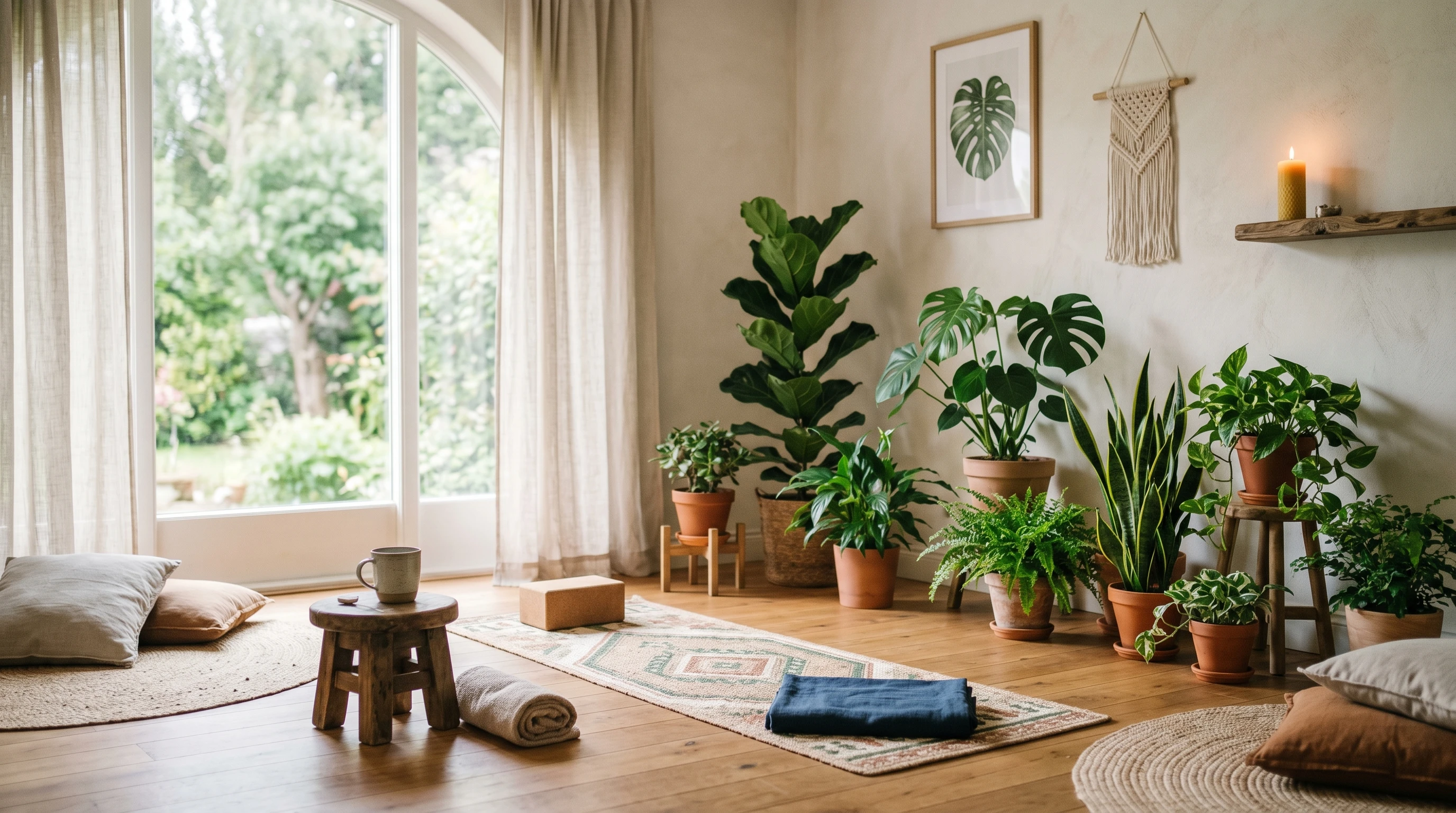
Why Mindful Stretching Matters for Mental Health
Mindful stretching and joint release aren’t only about flexing muscles or improving mobility. They’re opportunities to listen to your body’s cues, slow down, notice tension, and gently work through it. Gentle stretching helps me connect with my breath, pulling my mind out of a busy or anxious state and into the present.
Recent research, as shown in journals like Frontiers in Psychiatry, has found that body-based mindful practices can reduce stress and promote calm, even for people facing high anxiety. By focusing on slow, controlled movements, I send my body the message that it’s supported and safe, which helps my mind settle as well.
The Basics: Understanding Mindful Stretching and Joint Release
Mindful stretching brings together awareness, breath, and gentle movement. Here’s what I include in every basic mindful stretching session:
- Breath Awareness: I intentionally match each gentle stretch or movement with a slow inhale or exhale, finding a natural rhythm.
- Body Scan: Before and after every stretch, I pause and check in with each body part, noticing where tension might be hiding.
- Gentle Joint Movements: Rather than forcing movement, I rotate shoulders or ankles slowly, just enough to tune into the sensation and respect my comfort zone.
The main priority is to move with intention and keep your attention anchored in the present moment. That’s the foundation of mindfulness, and it’s what makes these routines so powerful for mind and mood.
When I check out new stretches, I notice how much my own presence matters for the experience. Mindful stretching isn’t just a physical act—it’s a way to feel calmer and more in control when life gets overwhelming.
How to Get Started: Mindful Stretching Routines for Beginners
Jumping into mindful stretching doesn’t require fancy equipment or impressive flexibility. I usually clear a small spot in my living room or office and slip into comfortable clothes. Here’s a clear guide to get started:
- Find a Calm Place: Choose a quiet space where you can focus for just a few minutes.
- Focus on Breath: Take a handful of slow, deep breaths. Let your exhales stretch a bit longer than your inhales.
- Neck Movements: Slowly tilt your head side to side, then gently forward and back, holding the stretch for a breath or two at each position.
- Shoulder and Arm Circles: Try making slow circles with your shoulders, then reach up overhead as you breathe in, lowering your arms as you breathe out.
- Spinal Twist: From a seated or standing position, softly twist your torso to one side, hold for a couple of breaths, then switch.
- Hip Movement: Lying on your back, hug one knee to your chest and gently alternate. Rock your knees open and closed for a soothing hip stretch.
- Ankle and Wrist Circles: Make simple circles with your ankles and wrists to wake up those joints.
I always finish with a minute of stillness—either lying down or seated—to let the effects set in before returning to my day.

Common Challenges and How to Work Through Them
Getting started isn’t always easy, but I’ve tackled a few common issues and want to share what helped me:
- Restlessness: My attention would wander and sometimes I’d feel impatient. Now, I just notice the distraction and gently guide my mind back to the breath or movement.
- Comparing Flexibility: It’s easy to wish I stretched further or had less tightness. Reassuring myself that it’s about feeling better, not looking impressive, made a big difference.
- Joint Discomfort: Early on, pushing too hard brought aches. I found that comfort and gentleness deliver better results than strain—both body and mind appreciate the care.
Breath is the Foundation
Matching breath with movement changed everything for me. If I’m anxious, just taking a minute to stretch and breathe helps steady my mood. Over time, this small ritual becomes a tool I rely on to deal with stress.
Keeping It Consistent and Adaptable
Sticking with mindful stretching works best when I set realistic goals. Even two or five minutes each day is enough. In my experience, short, regular sessions beat long, infrequent ones for making a real impact.
Tips for Maximizing Benefits: Making Mindful Stretching a Daily Habit
If you want mindful stretching to stick, here’s what’s made the biggest difference for me:
- Set a Visual Cue: Leaving a sticky note or setting an alarm at a regular time nudges me to stretch.
- Try Guided Audio: Apps like Insight Timer and Calm are loaded with gentle stretching and guided meditations that can help beginners feel supported.
- Combine with Routine Activities: Stretching during cooking breaks or commercials turns downtime into meaningful practice.
- Track Mood Changes: I jot down a note about my mood before and after stretching. Seeing the pattern makes me more motivated to keep going.
Over weeks, what started as a reminder now feels like a treat—those quiet moments have become something I look forward to.
Real Benefits: How Mindful Stretching Has Helped My Mental Health
After sticking with mindful stretching, I noticed genuine improvements:
- Stress Reduction: Mindful movement helps quiet mental noise, giving me space for a fresh start.
- Quality Sleep: An evening stretch routine helps both body and mind wind down. Sleep feels deeper and easier to come by.
- Focused Mindset: Even quick sessions sharpen my focus and productivity, especially when I’m feeling frazzled.
- Physical Comfort: Gentle joint movement loosens tight spots—my neck, back, and hips get much-needed relief, making my whole day more comfortable.
Others who try out mindful stretching report similar wins, saying the body and mind awareness create a more positive and resilient state.
Frequently Asked Questions About Mindful Stretching and Joint Release
I hear a lot of questions from people looking to get into mindful stretching. Here are a few of the most common:
Question: How much time before I feel a difference?
Answer: Five to ten minutes a day often brings noticeable results after a couple of weeks. The key is steady practice, not how long each session lasts.
Question: Do I need any tools for joint release?
Answer: No special gear required! A yoga mat or towel is plenty for comfort. Pillows or blocks can be helpful extras, but absolutely not mandatory.
Question: What if I have past injuries or aches?
Answer: It’s always smart to check in with a healthcare professional if you have injuries. Adjust stretches to avoid pain, and remember—the focus is on comfort, not how far you can go.
Checking Out the Link: Why Mindful Movement Supports Mental Health
Mindful movement helps tone down stress hormones and calm the body’s fight-or-flight mode. As studies highlighted by the National Institutes of Health show, regular, intentional movement can regulate mood and even ease anxiety or depression.
Caring for my body through stretching brings a sense of control and comfort, helping me feel grounded when life’s tough. When I share a practice with friends or join a group session, the camaraderie adds a boost of motivation and happiness.
If you’re ever curious about gentle movement, lowering stress, or mindfulness, mindful stretching and joint release are a great place to start. Taking a few minutes to pause, breathe, and care for your body brings real changes—both in physical ease and in mental clarity. Give it a try and see how good you can feel.