
Yoga inspired mobility work can really improve how your shoulders and upper back move and feel. Whether you’re spending a lot of time at a desk or want to support your strength training, this type of routine helps with stiffness and aches in everyday life. In this article, I’m sharing my personal go-to sequence for shoulder and upper back mobility, inspired by yoga, that you can easily fit into your routine at home or at the gym.
Why Shoulder and Upper Back Mobility is Really Important
Mobility in the shoulders and upper back matters for more than just flexibility. Poor mobility in these areas can lead to problems like tension headaches, neck pain, or even overuse injuries in the arms. I noticed that after long days on my computer, my shoulders would round forward and my upper back would ache. Simple movements started to feel stiff, and my posture definitely suffered.
Spending just 10 to 15 minutes on mobility a few times a week started making a real difference for me. My favorite benefit is how it helps me with everything from lifting groceries to playing sports with friends. Good mobility supports better posture and reduces the risk of annoying repetitive strain or pinched nerves. It also improves circulation in the upper body, boosts your breathing, and helps stop those nagging little injuries that can build up over time. Even daily activities like putting away dishes or reaching for something on a high shelf become easier.
If You’re New: Getting Started With Yoga Inspired Mobility
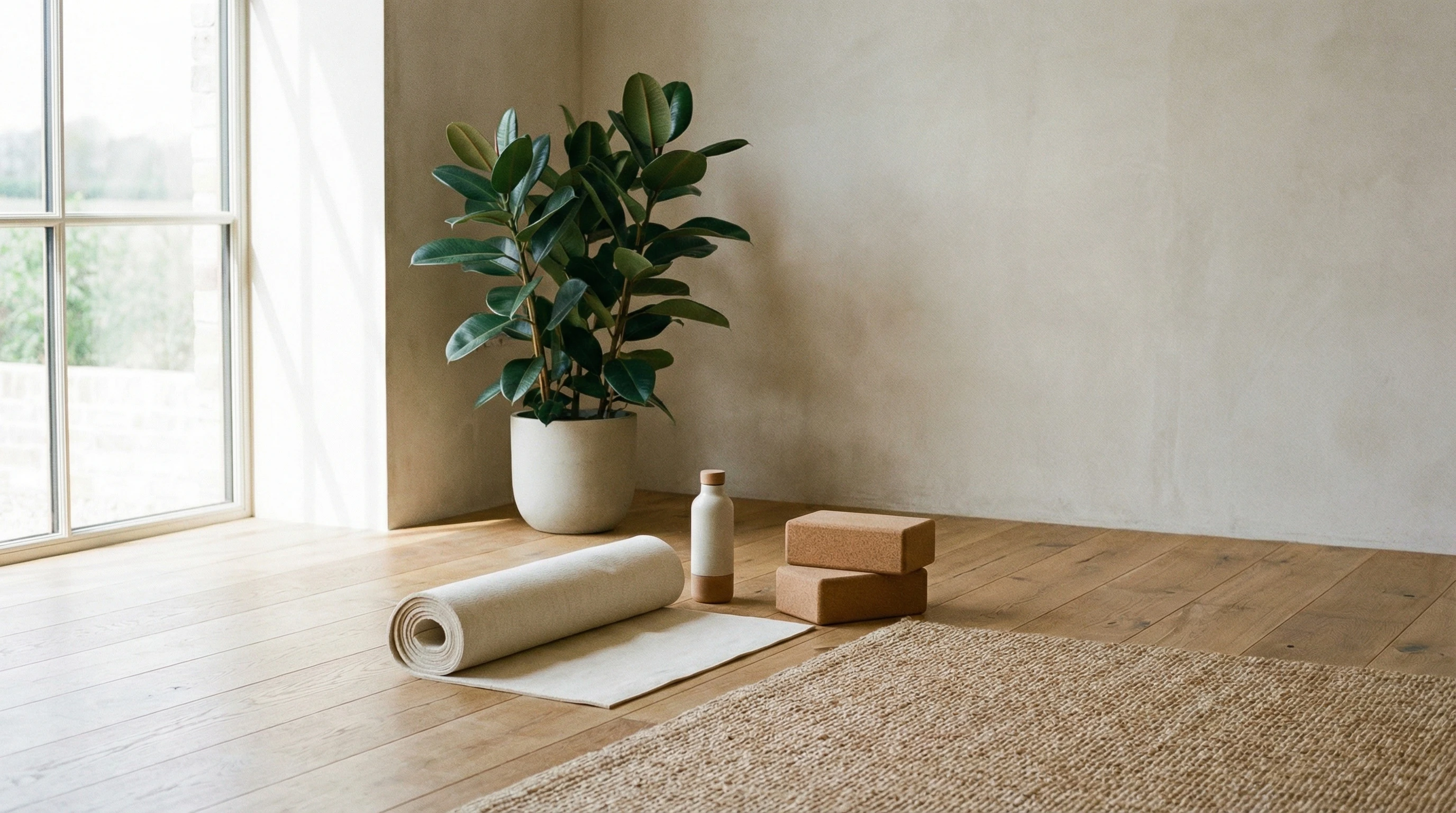
Starting a yoga inspired mobility routine does not require fancy equipment or years of experience. All you need is a yoga mat or a firm but comfortable floor and a bit of space. Some people like to use props like blocks or a rolled towel, which can make some moves even more supportive.
If you are completely new, try moving slowly and notice how each stretch feels. Remember, this type of routine is about feeling good and opening up, not about pushing limits. Breathe deeply through each movement and pay attention to your range of motion without forcing anything.
- Yoga block: Useful for supporting the head or arms in certain poses.
- Strap or towel: Helps with stretches if you can’t comfortably reach your hands together.
- Pillow or folded blanket: Can help support sensitive knees or elbows.
Before you begin, try doing a quick shoulder roll or gentle twist to wake your body up and spot any extra-tight spots. Approaching the sequence with a sense of curiosity helps you track down movements that work best for your own body.
Step-by-Step: My Favorite Yoga Inspired Moves for Shoulder and Upper Back Mobility
This mobility sequence combines gentle stretches and movements that specifically target the shoulders, upper back, and neck. You can do these in order or focus on ones that feel especially beneficial. Each move is based on traditional yoga but tweaked for everyday mobility needs. You don’t have to be a yoga pro to get results—just show up and move with intention.
- Cat Cow (Marjaryasana Bitilasana): Start on your hands and knees. As you inhale, drop your belly and lift your chest and tailbone (Cow). Exhale, round your spine up and tuck your chin (Cat). Repeat 8-10 times. This warms up the upper back and helps with spinal flexibility.
- Thread the Needle: Remain on your hands and knees. Slide your right arm under your left, bringing your right shoulder and ear to the floor. Hold for 30 seconds, then switch sides. I really feel this along the back of my shoulder and between the shoulder blades.
- Puppy Pose (Uttana Shishosana): From hands and knees, walk your hands forward and drop your chest and forehead toward the floor while keeping hips over knees. This opens up the chest, shoulders, and upper spine.
- Eagle Arms: Sitting or standing, wrap your right arm under your left and try to bring the palms together. Lift elbows gently as you exhale for a stretch across the upper back and outer shoulders. Repeat on the other side. If you have tight shoulders, you can also bring the backs of your hands together instead. This move is great for countering the rounded, forward posture from daily life.
- Cactus Arms in a Wall Angel: Stand with your back against a wall, heels a few inches from the wall, arms in a goalpost shape. Slide your arms up and down slowly, keeping elbows and wrists pressing into the wall. This is one of my go-to moves for countering rounded shoulders and activating upper back muscles.
If you want to dig into extra mobility, you can also add gentle shoulder circles, “Y” and “T” arm movements while standing or lying face down, or chest openers like clasping hands behind your back and lifting gently.
Things I Pay Attention to For Safe and Effective Mobility Work
Shoulder and upper back mobility can help most people, but moving mindfully is really important. Here are a few points I always keep in mind to get the most out of this routine and avoid soreness or frustration:
- Go Slow: Moving too fast or forcing range of motion can lead to pinching or irritation. I take it at my own pace and stop if I feel sharp pain.
- Use Props: Yoga blocks or a rolled towel make many stretches more comfortable and accessible.
- Consistent Practice: I remind myself that daily or every-other-day movement is better than trying to do too much at once.
Common Obstacles and How I Overcome Them
Sometimes I get off track and skip my routine for days. When that happens, I start with just one or two stretches, even for five minutes, and build back up from there. My own biggest challenge is stiffness after sitting, so I make this sequence a “reset” in the middle of my day, especially between computer tasks or workouts.
If you struggle with motivation, try setting a reminder in your phone or pairing your routine with some calming music or a favorite podcast. Mixing up the routine every so often also helps keep things fresh and keeps me coming back.
Tips for Progress: How I Get the Most Out of My Sequence
Breathing deeply with each movement has the biggest effect on my flexibility and focus. I also notice real progress when I add a bit of core engagement, gently drawing my belly in during moves like Cat Cow or Cactus Arms. Tracking how my shoulders feel before and after keeps me motivated to stick with it. Over time, those little improvements add up and my posture and comfort improve both during workouts and in daily life.
It can also help to make a quick note on your phone or in a journal about what felt tight or where you felt more open after the routine. Reflecting on your progress can help you stay consistent.
Everyday Ways to Build Mobility Into Your Routine
- Morning Stretch: Doing a couple of these moves right after I wake up helps ward off tightness from sleeping.
- Desk Reset: Taking a minute or two every hour to roll my shoulders or do Eagle Arms helps break up long periods of sitting.
- Adding to Workouts: I use this sequence as a warmup before upper body training or as a cooldown to recover faster.
Shoulder and upper back mobility has made a big difference in how comfortable and strong I feel throughout the day. This routine is simple enough for anyone to try, and sticking with it helps maintain better posture, reduce tension, and support everything from work to play. If you build regular mobility work into your week, your body will thank you over time. Sticking with even short sessions will give a big pay-off; your upper body will feel more free and open every day.