
Flexibility is a vital part of how I move, exercise, and approach my daily activities. The popular idea that “once flexible, always flexible” is widespread, but it doesn’t reflect reality. Many assume being flexible is like riding a bike: a skill you keep for life. However, that’s not how my body works, and it’s rarely true for others, either. Flexibility isn’t a lifetime guarantee—it’s more like a garden that needs regular tending. In this article, I’ll break down why the “once flexible, always flexible” belief falls short and share useful details about what really influences long-term flexibility and mobility.
Understanding Flexibility and Mobility
When I chat about flexibility, I mean the ability to move a joint or a group of joints through a full range of motion. Mobility is similar but adds in strength and control over movements. These two are closely connected, yet they aren’t identical.
Through my own experience, I’ve seen that flexibility grows with steady stretching, yoga sessions, or activities targeting specific muscles. Mobility, meanwhile, asks for practice with both muscles and joints working in sync, offering strength and coordination as I move.
Several factors shape my flexibility: age, regular movement, genetics, old injuries, and daily routines. Even during periods when I was at my most limber, I learned that these gains can slip away fast without ongoing attention. My body adapts quickly but also becomes stiff if stretching is neglected or I sit still for too long.
Why the “Once Flexible, Always Flexible” Idea Doesn’t Hold Up
It’s common for people to say, “I used to do the splits, so I must still be flexible.” This makes flexibility sound permanent, like muscle memory for riding a bike. In practice, flexibility fades if I stop focusing on it regularly.
Muscle fibers and connective tissues require movement to stay loose and adaptable. Ignoring a joint leads those tissues to shorten, becoming less responsive. I’ve felt flexibility fade after injuries, busy seasons, or periods away from my normal routine. Tightness creeps in, and my range of movement shrinks before I know it.
Medical research supports this hands-on experience. Groups like the American Council on Exercise say regular stretching preserves or boosts flexibility, but inactivity will gradually sap it. My experience lines up with this—steady, intentional habits matter more than any past achievements.
How Flexibility Changes With Age and Lifestyle
Getting older means my body slowly loses some flexibility. Tendons and ligaments can lose water, growing less springy and elastic with time. This makes joints feel stiff and muscles tight, sometimes even more so for people with desk jobs or inactive lifestyles.
While age plays a role, my habits matter just as much. If I sit for most of the day or skip movement, my body tightens rapidly. But when I keep things active with stretching, walking, swimming, or just moving around, I stay much looser regardless of age.
Other lifestyle factors—hydration, decent nutrition, sleep quality, and stress levels—all affect my flexibility. If I’m dehydrated or not sleeping well, my muscles feel extra tight and are more prone to injuries. Even small tweaks, like six extra ounces of water or five more minutes of stretching, give a quick boost in how my body feels.
Building and Maintaining Lasting Mobility
Improving flexibility isn’t a single victory—it’s an ongoing project. Consistency beats hitting one milestone and stopping there. Here’s what works for me and what I suggest to others who want dependable flexibility:
- Regular Stretching: I try to stretch each day or, at the very least, several days a week to keep my major muscle groups supple.
- Mobility Exercises: Dynamic moves—like gentle leg swings, arm circles, or rotational stretches—have more effect than just standing still and reaching.
- FullBody Movement: Activities such as walking, swimming, or dancing keep my joints active and prevent the build-up of stiffness.
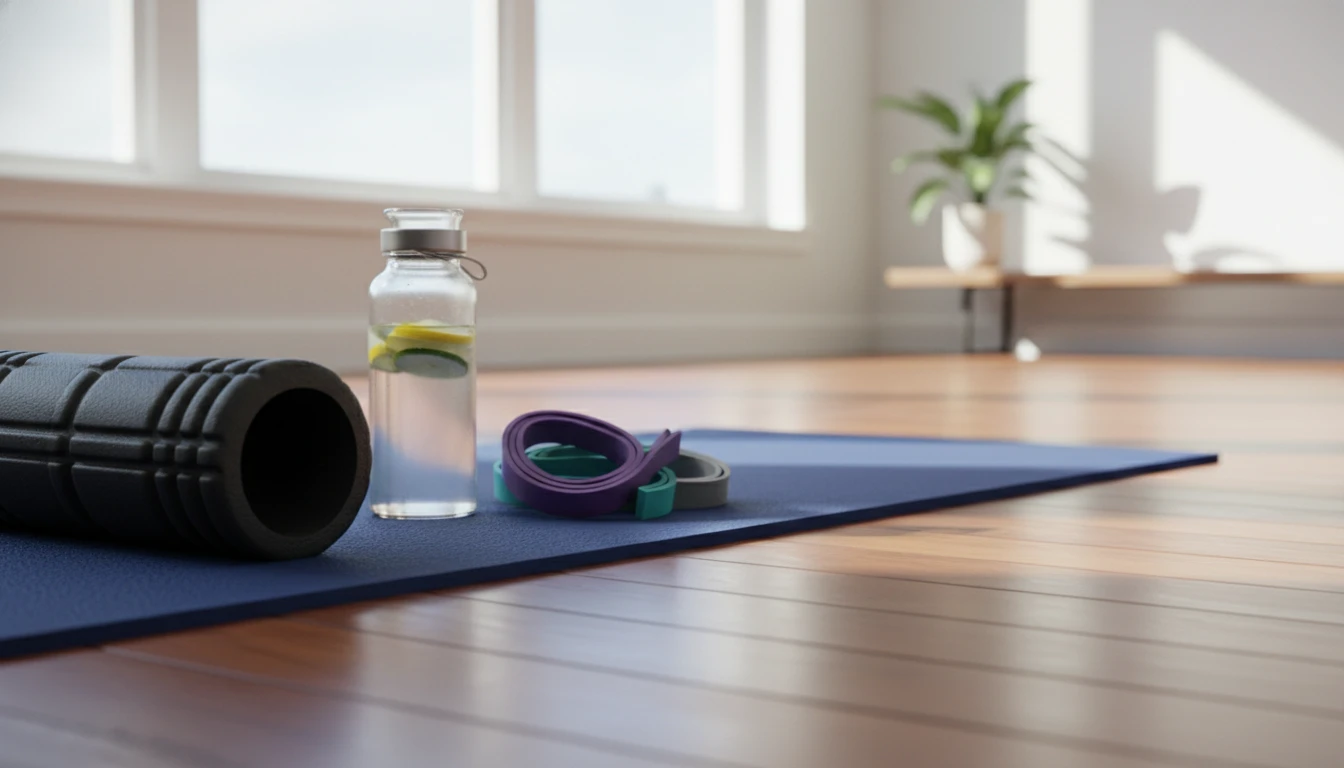
- Foam Rolling and Self-Massage: These techniques help keep muscle tension at bay, ensuring muscles remain pliable and responsive.
Blending these habits into my routine means regaining lost flexibility is easier, and hanging onto what I have becomes more automatic. If I stop, tightness returns much sooner than I would like.
Common Misconceptions About Flexibility and Mobility
A couple of persistent myths can discourage people from stretching or mix up their sense of progress:
- “Flexible people never lose mobility.” Even pro dancers and athletes lose range if they don’t practice regularly.
- “It takes hours each week to see results.” Instead, short, regular routines are usually enough to see a difference. Integrating quick stretches into daily life pays off in surprising ways.
Getting past these myths lets me (and others) set goals that don’t feel out of reach.
Flexibility Training Isn’t Just for Athletes
Anyone can benefit from stretches and mobility work. It’s just as important for seniors, desk workers, and weekend athletes as it is for professionals. Light, regular stretching tackles tight spots and supports healthy, fluid movement—skills that matter whether I’m chasing after kids, carrying groceries, or trying to avoid morning stiffness. Flexibility plays a starring role in keeping me functional and comfortable day to day.
Practical Routine to Support Flexibility
If you’re wondering how to build a support system for lasting flexibility and flexibility, try following these easy steps:
- Begin with a warm-up: Gentle movement, such as brisk walking or light cycling, wakes up the muscles and primes the body.
- Dynamic stretches: Things like arm swings, leg swings, and gentle torso twists help prep the joints for deeper movement.
- Focus on your stiffest areas: Pay special attention to hips, shoulders, hamstrings, and back—these are where I (and most people) notice tightness first.
- Finish with a cool down: Gentle, static stretches mixed with deep breathing round out the routine, calming both body and mind.
Keeping this routine approachable makes it easier to stick with, and the benefits stick around without demanding tons of equipment or extra time.
Addressing Setbacks and Fluctuations in Mobility
Life isn’t always predictable, and neither is my flexibility. Setbacks happen: injuries, stress, big life changes, or even a vacation can throw off my stretching habits. The key is to avoid getting discouraged. My body is adaptable, and with patience and consistent effort, I can get back on track.
- If flexibility decreases: Gentle stretches and mindful movements help me rebuild gradually. Trying to force it can backfire, leading to pulled muscles or further setbacks.
- During hectic or stressful times: Even a two-minute stretch before bed makes a difference. It’s the act of staying consistent, not being perfect, that helps me most.
Recognizing these ups and downs as natural parts of the process helps keep my motivation strong for the long haul.
Frequently Asked Questions About Flexibility
Question: Can I regain flexibility after losing it?
Answer: Absolutely. Muscle and joint tissues can bounce back with regular movement at any age. I’ve regained flexibility several times in life by returning to consistent routines and giving myself time to progress.
Question: How long does it take to see improvements?
Answer: I typically notice changes after a few weeks of regular stretching. Everyone starts from a different point, but making flexibility training a habit speeds up the process more than a marathon stretch session once a week.
Question: Are some people just naturally flexible?
Answer: Genetics set the baseline, but steady practice is the real difference-maker. People who seem naturally limber are often quietly working at it behind the scenes.
Real-Life Benefits of Keeping Up With Flexibility
The payoff from regular flexibility and mobility work goes far beyond athletics. For me, it means getting up from the floor without struggle, handling everyday chores with less effort, and shaking off minor soreness faster. Stretching and movement routines make my daily comfort and energy noticeably better. Investing now in flexibility ensures I can move freely and comfortably for many years, keeping life’s basic tasks easy and enjoyable. Sticking to this practice gives me confidence—not only in my activities but also in knowing I can bounce back from whatever life throws my way.