Muscle tightness often feels like an obstacle that pops up just when you want your body to move with ease. Anyone trying to improve their flexibility has probably run into this issue sooner or later. Whether I’m working toward touching my toes, opening my hips, or moving my shoulders more freely, tight muscles can make progress feel slow. In this guide, I’ll explain the reasons muscle tightness gets in the way of flexibility, where it comes from, and what practical steps I use to overcome it. My goal is to help others understand how to work with their bodies instead of against them during flexibility training.
Why Muscle Tightness Happens During Flexibility Training
When I push to improve my flexibility, tightness often seems to show up in the same spots: my hamstrings, calves, hip flexors, or lower back. Muscle tightness is usually the body’s way of protecting itself from overstretching or injury. Sometimes this tight feeling is caused by short or overworked muscles, but nerves can also play a role by telling my body to keep certain areas tense.
The main reasons behind tight muscles include muscle imbalances, old injuries, overuse, and even everyday posture. For example, sitting for long hours tends to tighten my hip flexors and hamstrings. Over time, muscles that stay shortened lose some of their length and elasticity, making flexibility work harder and progress slower.
Not all muscle tightness is the same. Some tightness comes from recent workouts, like post-exercise soreness. Other times, persistent tightness hangs on even after rest, which reveals an ongoing issue with muscle or connective tissue length that I need to address more directly through stretching and movement. Understanding which type you experience can help you map out a more tailored stretching plan.
Common Patterns and Signs: Where Tightness Shows Up the Most
I notice that certain muscle groups are notorious for holding on to tension, especially for people who sit a lot or spend hours at a desk. The most common areas include:
- Hamstrings: The muscles along the back of my thighs tend to feel stiff when I reach forward or try to straighten my legs.
- Hip Flexors: These get tight from sitting and affect my ability to fully extend my hips.
- Calves: Tight calf muscles often limit my ankle movement and show up during squats or in yoga poses like downward dog.
- Shoulders and Chest: Rounded shoulders from slouching make my upper back and chest tighten up, making overhead stretches feel tough.
Many people also feel additional stiffness after long periods of sitting or physically demanding days. For some, these tight spots are more noticeable first thing in the morning, while others might feel it after intense activity. Recognizing which areas consistently feel tense helps me plan specific stretches and mobility exercises to target those muscles and ultimately help prevent further tightness. By paying attention to these patterns, I’m able to focus on what my body really needs.
Understanding the Science: How Muscle Tightness Limits Flexibility
Muscle fibers are surrounded by connective tissue called fascia, which can become less pliable if I don’t move a joint through its full range often. The nervous system also controls muscle length through processes called muscle spindles and the stretch reflex. When I stretch quickly or too deeply, my nervous system tells my muscle to contract and resist, which creates that familiar tight feeling.
This protective mechanism means that improving flexibility has more to do with gradually changing how my body perceives stretching. Consistent, slow, and gentle stretching patterns teach my nervous system that the new range is safe. Over time, my muscles and fascia become more adaptable, and the stubborn tightness fades with regular practice.
Practical Steps to Address and Overcome Muscle Tightness
Working through muscle tightness and seeing progress in flexibility takes some patience. I follow several core strategies that keep me moving forward, even when my body feels stiff. Here’s what I stick to most:
- Warm Up Properly: I always move my body gently before deep stretching. Light cardio, dynamic stretches, or mobility drills help warm up muscle tissue and pump up circulation, making it easier for muscles to lengthen.
- Incorporate Regular Stretching: I set aside time each day or every other day for static and dynamic stretching. Consistency works much better than trying to make big gains in a single session. Mixing up the types of stretches keeps the process interesting and effective.
- Add Soft Tissue Work: Using a foam roller or massage ball before or after workouts helps release knots and tension in my muscles and fascia, making stretching more comfortable and effective.
- Listen to My Body: If a stretch triggers sharp pain, I ease up or stop. Gentle discomfort is normal with stretching, but pain is a warning signal I never ignore.
- Balance Strength and Flexibility: I pair stretching routines with strength exercises for the opposing muscles. For example, stretching my hamstrings while also strengthening my glutes helps balance out flexibility and prevent further tightness.
I also add targeted routines for specific muscles if one area is giving me more trouble. For instance, calf stretches followed by calf raises improve length and power together. This mix can speed up progress and make the process smoother.

What to Watch Out for: Challenges in Flexibility Training
I’ve run into several challenges while working on flexibility, and knowing what to expect helps me stay on track:
- Progress Plateaus: Sometimes, my flexibility stalls, and my muscles feel tight for weeks. When this happens, I review my technique, take extra rest days, or switch up my approach with new stretches or routines.
- Overstretching: Too much intensity can cause strains or sprains. I keep my stretches gentle and gradual to avoid setbacks and to build a sustainable routine I can stick with long term.
- Skipping Warm-Ups: I’ve learned that jumping into deep stretches cold makes muscles tighter and increases the risk of injury. Taking a little time to warm up always pays off.
- Neglecting Recovery: Flexibility gains often show up during rest and recovery, so I make sure to sleep well, hydrate, and let my muscles repair between sessions.
Warm Up and Cool Down Matter
The difference between stretching cold muscles and stretching after warming up is noticeable within minutes. Even ten minutes of light activity helps prepare my muscles for deeper stretching. After flexibility work, gentle movement or a slower stretch helps bring my body back to a resting state and can prevent excess soreness the next day.
Understanding Good Pain and Bad Pain
Gentle stretching may cause mild discomfort, which feels like resistance or a pulling sensation in the muscle. If I ever feel any sharp, stabbing, or burning pain, I stop immediately. Listening to these signals can prevent injury and keep my progress moving forward rather than causing setbacks.
Advanced Strategies for Improving Flexibility Despite Muscle Tightness
Once I’ve mastered basic routines, there are a few advanced methods that help push through stubborn tightness. These techniques help me see further progress even when I feel like I’ve hit a plateau:
Proprioceptive Neuromuscular Facilitation (PNF): This involves contracting a muscle briefly, then stretching it further. For instance, contracting my hamstrings during a stretch, holding for a few seconds, and then relaxing allows me to reach new lengths safely.
Active Isolated Stretching: I hold a stretch for just two or three seconds, release, and repeat. Repeating short stretches this way stops the stretch reflex from kicking in and makes it easier to increase range of motion bit by bit.
Mobility Drills: Controlled joint rotations, like hip circles and shoulder rolls, maintain joint health, warm up tissues, and improve flexibility by encouraging movement in many directions. These exercises are also helpful for keeping joints healthy and pain free as I age.
I also pay close attention to steady, deep breathing during stretching. Slow, mindful breaths help calm my nervous system and reduce the body’s instinct to hold tension. Over time, these methods work together to gradually increase my functional range of motion and make stretching a more relaxing experience.
Useful Equipment and Tools for Easing Muscle Tightness
Some simple equipment makes a big difference in my personal flexibility adventure:
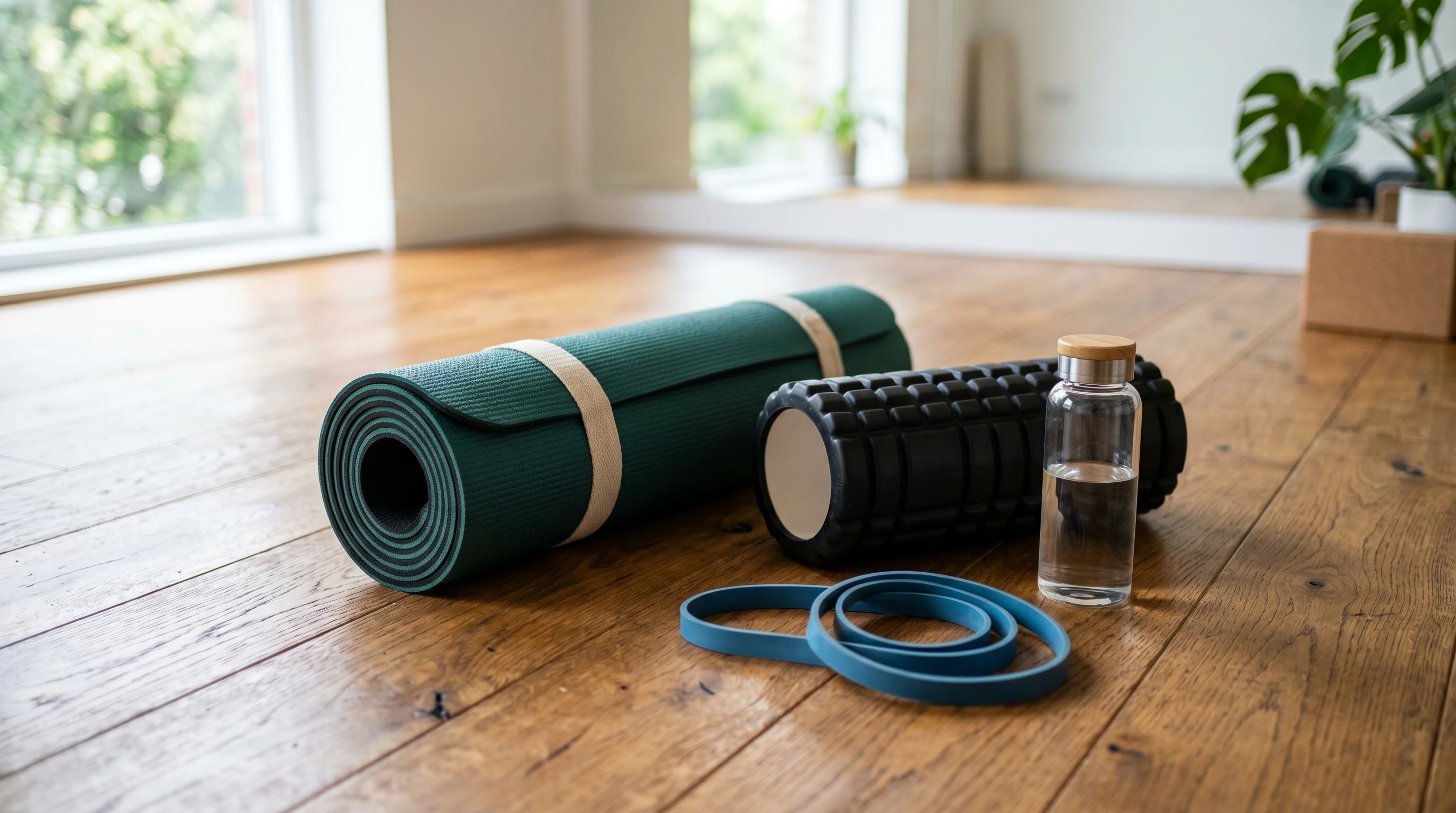
- Foam Roller or Massage Ball: Helps break up tightness and knots, especially in my legs and back. Rolling these areas before and after workouts helps them release faster.
- Yoga Strap or Resistance Band: Lets me reach deeper stretches safely, even if my current flexibility is limited. Bands provide gentle assistance without forcing me too far.
- Yoga Blocks: Support my hands, feet, or hips during deep stretches, making them more accessible and comfortable for all body types.
Using these tools helps me hold stretches longer and get more benefit with less strain, which makes regular flexibility practice much less frustrating. Many of these can be found at most gyms or affordable online.
Frequently Asked Questions About Muscle Tightness and Flexibility
Here are some of the common questions people ask me about muscle tightness and flexibility:
Question: Why does stretching sometimes make my muscles feel tighter instead of looser?
Answer: Stretching too hard or too quickly can trigger the body’s natural protective response, causing muscles to tighten up. Easing into a stretch slowly and only to the point of mild resistance helps avoid this situation.
Question: How long does it take to improve flexibility?
Answer: I usually notice small improvements in a few weeks with consistent stretching, but bigger gains can take months. The key is frequent, gentle practice instead of pushing too hard or expecting overnight results. Staying patient is important.
Question: Should I stretch every day?
Answer: Daily stretching works well for some, but even a few times per week can bring results. Listening to my body and allowing rest when I feel sore helps prevent burnout or injury.
Question: Can massage or other therapies help with muscle tightness?
Answer: Techniques like massage, myofascial release, and even warm baths can help muscles relax and respond better to stretching. These are especially helpful if I’m feeling extra stiff or sore after a particularly tough session.
Finding Progress and Staying Motivated
Seeing flexibility progress when muscles are tight takes time, but the results are worth the effort. I regularly track my improvement by noting how far I can reach or how a stretch feels week to week. Celebrating small gains, like reaching a little further or feeling less resistance, keeps me motivated to keep going. Each step forward reminds me that tight muscles can change, and my body is always adapting for the better. Staying positive and consistent is the key to making those changes happen.