
Foam rolling has exploded in popularity, popping up everywhere from gyms to physical therapy clinics. I see foam rollers in almost every fitness aisle and hear people claim that using one can “cure” joint stiffness for good. This idea sounds pretty tempting, but it’s really important to look closely at what foam rolling is, how it affects the body, and where some misconceptions might come from. In this article, I’ll break down the facts and help clear up what foam rolling actually does— and doesn’t—do for joint stiffness.
The Reality Behind Foam Rolling and Joint Mobility
Foam rolling is a type of selfmyofascial release. That means I’m using my body weight on a foam roller to apply gentle pressure to muscles and connective tissue, especially the fascia, which is a thin, protective layer around muscles. The idea is to help reduce muscle tension and make the muscles feel more flexible. Many people, including some fitness professionals, suggest that foam rolling can improve joint movement, but it’s not accurate to say it permanently eliminates joint stiffness.
Studies show that foam rolling may temporarily help with mobility or reduce the sensation of stiffness after use. This effect typically lasts anywhere from a few minutes up to an hour. Foam rolling isn’t actually changing the structure of joints or fascia in a permanent way. Once muscle tension starts to build up again from exercise, poor posture, or even sitting a lot, that stiff feeling can easily come back.
Understanding Where the Misconception Comes From
When I chat with friends or clients about their routines, many mention feeling “looser” or “more mobile” after foam rolling. This happens because rolling increases blood flow, warms up tissue, and activates the body’s natural pain relief. It can help temporarily reduce tightness in muscles and make movement feel easier, at least for a little while.
The misconception that foam rolling is a permanent fix often comes from how good people feel right after a session. It’s easy to connect that feeling of relief to the idea of a lasting cure for stiffness, but that’s not actually what’s happening. Most of the benefit is temporary and needs to be repeated regularly for ongoing comfort.
What Actually Causes Joint Stiffness?
I often get asked why joints feel so stiff in the first place. True joint stiffness can have several causes, and understanding them helps explain why foam rolling alone can’t “fix” the problem forever. Some common reasons include:
- Inactive lifestyle: Sitting for long periods or not moving enough can reduce blood flow to the muscles and joints. This often leads to feelings of tightness or soreness.
- Muscle imbalances: When some muscles become stronger or tighter than others, the joints they move can start to feel stiff or restricted.
- Inflammation or joint conditions: Issues like arthritis or recent injuries often bring real changes to the structure of joints. Foam rolling won’t reverse these types of changes.
Foam rolling might help me feel better in the short term, especially with tension caused by tight muscles, but the underlying causes of joint stiffness often need other approaches too. Treating joint health as a mix of good movement, strength, flexibility, and medical care (for chronic issues) creates better results. I tell people that addressing multiple factors—like regular exercise, mindful stretching, and ergonomic sitting—can provide more consistent relief. For some, adding balance work or gentle yoga to their routine can help keep the joints moving well, preventing that “stuck” feeling. Stiffness might also relate to hydration, so it’s a good idea to drink enough water daily.
How Foam Rolling Works: What You Really Need to Know
Foam rolling works by putting gentle, direct pressure into soft tissue. When I slowly roll over a sore or tense spot, I’m encouraging the muscle and its surrounding fascia to relax. This process briefly increases circulation and helps kickstart the healing response in the tissue.
Here are some basic ideas about how foam rolling can help in the short term:
- Improved blood flow: Rolling helps bring more blood to muscles, which carries nutrients and oxygen that aid recovery.
- Temporary boost in flexibility: Muscles may feel less “stuck” or tight, making movement smoother for a short time.
- Reduced sense of soreness or stiffness: By activating nerve receptors (called mechanoreceptors), foam rolling can help decrease the sense of pain or restriction.
What foam rolling doesn’t do is permanently change joint structures, cure arthritis, or fully prevent future stiffness. Long-term changes in tissue happen through consistent stretching, strength training, and healthy lifestyle choices, not just by rolling out a muscle for a few minutes now and then. As part of a recovery strategy, foam rolling can give a boost before or after workouts—much like warming up or cooling down helps your whole body feel better.
How to Use Foam Rolling as Part of a Healthy Routine
I include foam rolling in my warmups and cooldowns, but I treat it like any shortterm tool. Here are a few simple steps for doing it safely and effectively:
- Roll slowly: Move over the foam roller at a speed of about one inch per second. This slow pace encourages muscles to relax.
- Target problem spots: Spend 30–60 seconds on each muscle group that feels tight, paying more attention to areas of soreness. Avoid rolling directly over joints or bony areas.
- Pair with other routines: I find that stretching and strengthening after rolling works best for improving mobility long-term. Foam rolling by itself can help me feel looser, but it won’t keep my joints flexible without these other habits.
- Make it regular: Daily or regular rolling before and after exercise works better for ongoing comfort than only rolling when stiffness shows up.
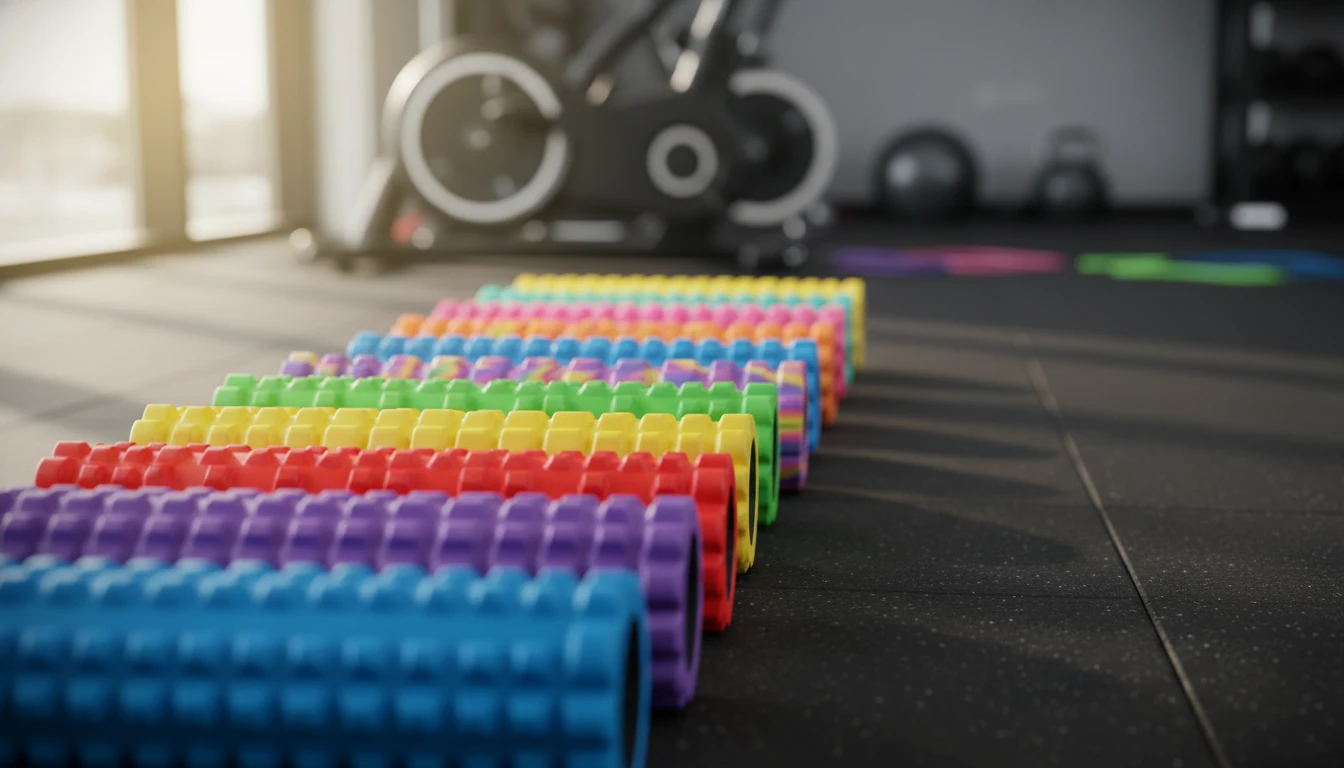
Adding foam rolling to a routine is really about giving the body different opportunities to move and reset. Some people like to foam roll before long drives or after traveling to help ease stiffness from being still. Listening to the body and adjusting the pressure can make all the difference in creating a helpful, safe routine. Plus, using a foam roller with textured surfaces or varied firmness might provide a slightly different feel, but the scientific benefits stay similar regardless of the roller’s appearance.
Common Foam Rolling Mistakes and Myths
- Thinking harder is better: Going too hard on sore muscles can actually make soreness worse. Gentle pressure works better and is less likely to cause bruising or irritation.
- Expecting instant, everlasting results: No single session will change joint health for good. Ongoing movement, stretching, and healthy habits are really important for staying mobile.
- Ignoring pain signals: If rolling hurts a lot, I back off. Extreme pain usually means I’m rolling a nerve or a joint, which can cause more harm than good.
Understanding and avoiding these mistakes helps me get the most out of foam rolling. One overlooked issue is holding the breath while rolling, which can increase tension in the body. It helps to breathe calmly and slowly, letting the pressure work without fighting it. Another mistake is rushing through the process—quick, jerky movements are less effective than slow, controlled rolling. Remember that everyone’s body is different, so techniques might need to be fine-tuned based on individual comfort and needs.
How I Combine Foam Rolling With Other Mobility Strategies
I’ve learned that movement and joint comfort come from a mix of healthy practices. Foam rolling is one of several tools I use, but it sits alongside other important habits, including:
- Regular stretching: Static and dynamic stretches improve flexibility and help my joints move more smoothly.
- Strengthening exercises: Building strong muscles around my joints provides support and can reduce the feeling of stiffness, especially as I age.
- Staying active daily: Short walks, changing positions often, and keeping up with hobbies that use my body all keep stiffness from settling in.
If I ever deal with true joint pain, swelling, or ongoing stiffness, I consult a physical therapist or movement specialist. They can recommend a mix of treatments—including foam rolling, but also medical care or more specific exercises—for my particular needs. Sometimes, professional advice can spot an underlying issue that home routines just can’t tackle. Staying informed and proactive is key for lasting joint health.
The Takeaway on the “Permanent Cure” Claim
Foam rolling feels great and can bring fast relief from tightness or light soreness. I use it because it’s easy, simple, and helps me loosen up before workouts. But it does not permanently solve the problem of joint stiffness. The relief lasts a short time and must be paired with regular movement, stretching, and sometimes professional guidance if there’s an ongoing issue.
Chasing permanent results from foam rolling alone will likely lead to disappointment. Treating joint comfort as a daily commitment to moving, stretching, and caring for my body will get me better results over the long run. Exploring new routines, trying different activities, and maintaining good hydration all make a difference. Prioritizing rest and sleep is also central to reducing joint discomfort. There’s no shortcut, but with a combination of smart strategies, joint health can definitely improve and make everyday movement easier.
Frequently Asked Questions
Here are some common questions I’ve had from others about foam rolling and joint stiffness:
Question: Can I foam roll every day?
Answer: Yes, I find that daily foam rolling is usually safe for most people. If soreness increases or new pain pops up, I slow down and focus on technique. Checking in with a professional if soreness lasts more than a few days is a good plan. Also, staying consistent can help with flexibility and makes it easier to spot patterns if discomfort returns.
Question: Is there a right or wrong way to foam roll?
Answer: Rolling slowly on muscle groups (not on bones or joints) and avoiding sharp pain works well for me. I stick to 30–60 seconds per muscle group and make sure to breathe calmly. If unsure, watching a short instructional video or asking a trainer for tips can give a boost to anyone starting out.
Question: Can foam rolling replace stretching or exercise?
Answer: No. Foam rolling is a nice supplement, but it won’t build strength or lasting flexibility like regular stretching and exercise will. I always use it as part of a bigger daily routine, swapping in new stretches when my regular ones feel stale. Mixing in some walking or lowimpact exercises also keeps my joints happy.
Mixing foam rolling with movement and good selfcare has kept my joints feeling their best, but I always remember that it’s just one tool, not a magic solution. Staying active, staying informed, and listening to my body lets me move comfortably and avoid the trap of “quick fixes” that rarely live up to the hype. Over time, I’ve noticed that combining several approaches helps me move more freely and feel more comfortable in daily life.