
Maintaining good shoulder mobility is something I find really important as a desk worker. Sitting for long hours in front of a computer often leaves my shoulders feeling stiff, sore, or even achy by the end of the day. Over time, this stiffness can lead to decreased range of motion or even nagging shoulder pain. Simple and consistent shoulder mobility exercises can make a big difference in how I feel every day. In this article, I’m sharing practical mobility exercises and tips for desk workers looking to prevent discomfort and improve shoulder health.
Why Shoulder Mobility Is Really Important for Desk Workers
Sitting for long periods causes my shoulders to stay in a forward, rounded position, which puts strain on the muscles in my upper back, chest, and neck. Over time, this can decrease my ability to reach overhead or behind, and it can even affect my posture. When my shoulders don’t move well, I’m more likely to experience headaches, neck tension, and upper back pain as well. Keeping my shoulders flexible and strong helps prevent these popular problems.
Research from the National Institutes of Health has shown that desk posture is linked to increased rates of musculoskeletal discomfort in office workers. Addressing shoulder mobility with regular movement and stretching can provide relief and help prevent more serious issues down the line.[source]
The good news is that I don’t need fancy equipment or a gym membership to work on my shoulder mobility. I find that just a few minutes each day of focused mobility work makes a noticeable difference in how I feel, both at work and after. Consistency, more than intensity, truly brings the best results, as my experience has shown.
Basic Shoulder Mobility Exercises for Desk Workers
I use straightforward exercises that don’t require a lot of time or equipment. Here are a few that I come back to regularly:
- Shoulder Circles: Standing upright, I gently rotate my shoulders forward 10-15 times, then backward 10-15 times. This reduces tension and gets my blood flowing before I start working or during breaks.
- Pec Stretch at a Doorway: I stand in a doorway, place my elbow and forearm on the wall, and gently step forward. This stretches the front of my chest and the front of my shoulder, which commonly gets tight from being hunched at a desk.
- Wall Angels: Standing with my back against a wall and feet about six inches away, I keep my arms in a “goalpost” position and slowly slide them up and down the wall. I keep my back and arms touching the wall as much as possible. This helps open up my chest and improve shoulder and upper back mobility.
- Shoulder Blade Squeezes: I sit or stand tall and gently squeeze my shoulder blades together, holding for a few seconds before releasing. I repeat this for 10–15 repetitions. I use this one to counteract the forward, slouched position that’s common when I’m working at a computer.
These exercises can be done a couple of times a day. I prefer to do a quick round before I start my work and again during my lunch break. When I add them into my routine, it really helps me prevent feelings of tension and gets my day started on the right foot. Over time, sticking with these basics has boosted my comfort and range of motion.
Step By Step Routine for Office Shoulder Mobility
I find it helpful to use a simple routine that fits into my day. Here’s how I break it down:
- Start with Movement: I stand up, shake out my arms, and do a set of 10 big shoulder circles in each direction.
- Add a Chest Stretch: Using a doorway, I stretch each arm for 20-30 seconds. If I’m tight, I hold it a little longer.
- Incorporate a Wall Angel: I do 8-10 slow wall angels, focusing on keeping contact with the wall throughout the movement.
- Finish with Shoulder Blade Squeezes: I do 1-2 sets of 10 squeezes, holding each squeeze for a few seconds.
This routine takes around five minutes, so I can do it twice a day without interrupting my workflow. When I fit this into my day regularly, my shoulders stay loose, and I notice less soreness and tension. Besides, it brings more awareness to my posture and helps me reset after long hours of sitting.
Things I Watch Out for While Exercising at My Desk
Keeping safety in mind keeps me from overdoing it or straining something. I pay attention to these tips:
- Move Slowly and With Control: I avoid jerky or abrupt movements, especially if my shoulders already feel tight or sore.
- Stay within a Comfortable Range: If a stretch or movement gives me sharp pain, I back off and stay in a range that feels good for my body.
- Be Consistent, Not Aggressive: Doing a gentle routine daily improves my mobility more than pushing through painful or intense stretching sessions now and then.
- Check My Desk Setup: An ergonomic desk arrangement goes hand in hand with mobility work. I adjust my chair so my feet are flat on the ground, and keep my monitor at eye level to avoid slouching.
Adding in breathing exercises, like taking deep breaths during each movement or stretch, makes the exercises more effective and helps release extra tension. Also, I often check in with how my body feels to prevent overuse or soreness from sneaking up on me.
Shoulder Health and Avoiding Common Desk Injuries
Preventing injury is just as important as stretching. I know from experience that ignoring shoulder stiffness usually makes things worse. Here’s what I’ve learned helps most to keep my shoulders healthy:
- Change Positions Often: I get up and move every 30–60 minutes, even if it’s just a quick walk or stretch.
- Strengthen Supporting Muscles: I add in some light resistance exercises with bands, focusing on my upper back and rotator cuff. This gives my shoulders more stability.
- Avoid Overreaching: I arrange things I use often, like my mouse or notebook, within easy reach to avoid straining my shoulder by reaching out or up repeatedly.
Getting the habit of gently massaging sore spots, or using a foam roller periodically, also eases discomfort. Taking these steps helps me avoid developing chronic pain or injuries that sometimes come with hours at a computer.
Tips for Staying Motivated With Mobility Exercises
Sticking to a new routine is usually the hardest part for me. I’ve found that these strategies help:
- Set Simple Reminders: I use a phone alarm or sticky note near my monitor to prompt me to move every hour or two.
- Pair Exercises With Other Activities: I sometimes do my stretches while waiting for my coffee or during a quick office chat.
- Track Progress: I jot down how I feel after a week or two. If I notice less soreness or better posture, that’s good motivation to keep going.
- Mix Things Up: To prevent boredom, I introduce different movements or change my exercise location—sometimes at my desk, sometimes by a sunny window. Adding variety keeps me interested and more likely to stick with the habit.
Practical Office Tools to Support Shoulder Health
While mobility exercises are really helpful, I also like using simple office tools when I can. These options support my movement and good posture:
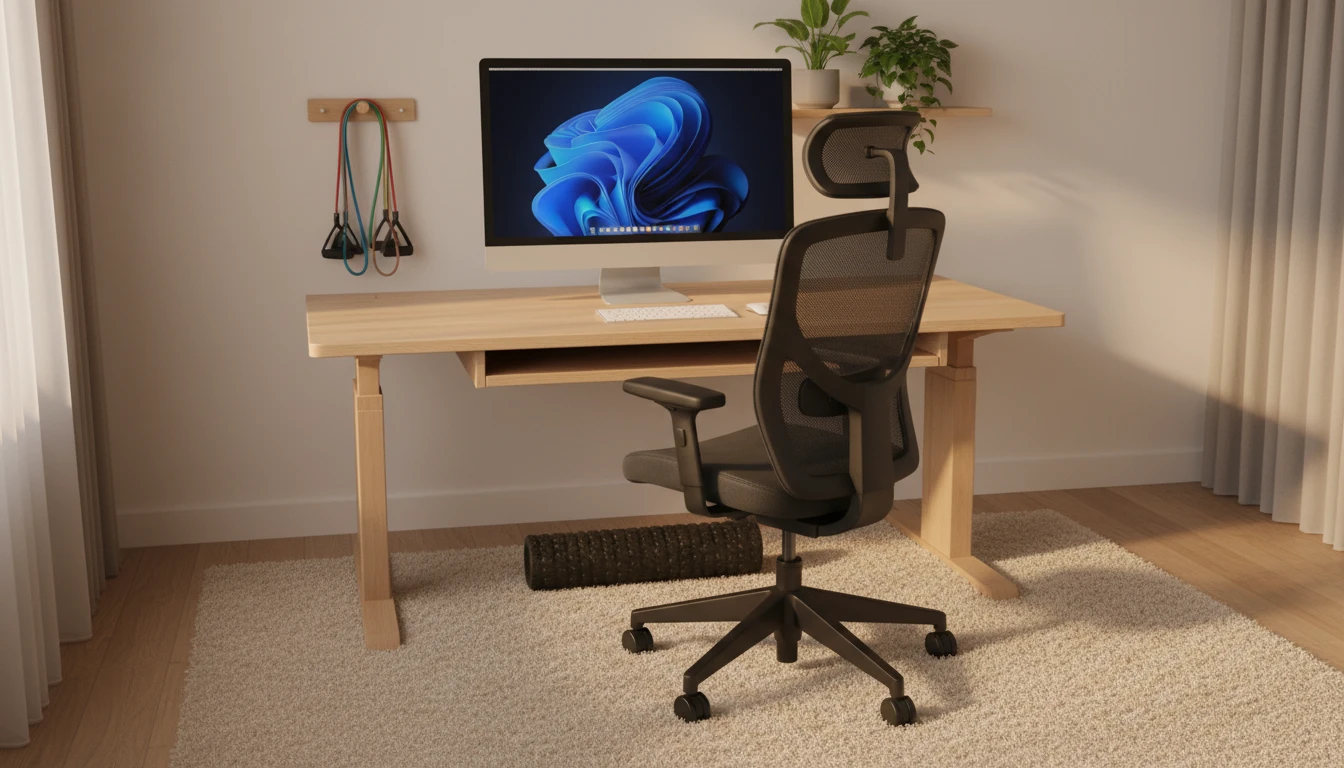
- Foam Roller: A foam roller works great for a quick upper back or shoulder massage during breaks. It helps release muscle tension and improve flexibility.
- Resistance Bands: I keep a light resistance band in my desk drawer. Using it for pullaparts or gentle stretching keeps my shoulders active without leaving my workspace.
- Ergonomic Mouse and Keyboard: Upgrading my mouse and keyboard to options that reduce strain on my wrists and shoulders helps me avoid discomfort in the long term.
- Adjustable Desk: If it’s possible, I use a sitstand desk so I can move between sitting and standing throughout the day. This naturally encourages me to move and stretch more often.
Investing in these tools supports all the hard work I do to keep my shoulders healthy, and I notice the difference when I use them as part of my routine.
Frequently Asked Questions about Office Shoulder Mobility
People who spend a lot of time at desks often have similar questions. Here are some I hear most often, and my experience with each:
Q: How often should I do shoulder mobility exercises at work?
A: I aim for at least twice a day, but even one round during lunch is helpful. On days when I’m extra stiff, I add more short sessions when I can.
Q: Can I do these exercises if I already have shoulder pain?
A: Most of these movements are gentle, but if I’m dealing with any serious pain or injury, I check with a healthcare provider first. For mild tightness or soreness, I stick to comfortable ranges and slow movements.
Q: Do I need special equipment for these mobility exercises?
A: No special gear is needed, just some space near my desk. I keep a resistance band and foam roller nearby for extra options, but they’re not required.
Q: Will these stretches help with my posture?
A: Yes, keeping my shoulders mobile and strong does help my overall posture. When my shoulders feel good, I’m less likely to slouch or crane my neck forward. Maintaining flexibility in my shoulder and upper back muscles supports better spinal alignment all day.
Building in regular shoulder mobility work helps me prevent pain, move more freely, and get through my workday with less tension. Even with a busy schedule, just a few minutes a day goes a long way for how my body feels and functions. Over time, these easy habits add up to longlasting shoulder health and more energy for all the things I want to do, both at work and outside the office.