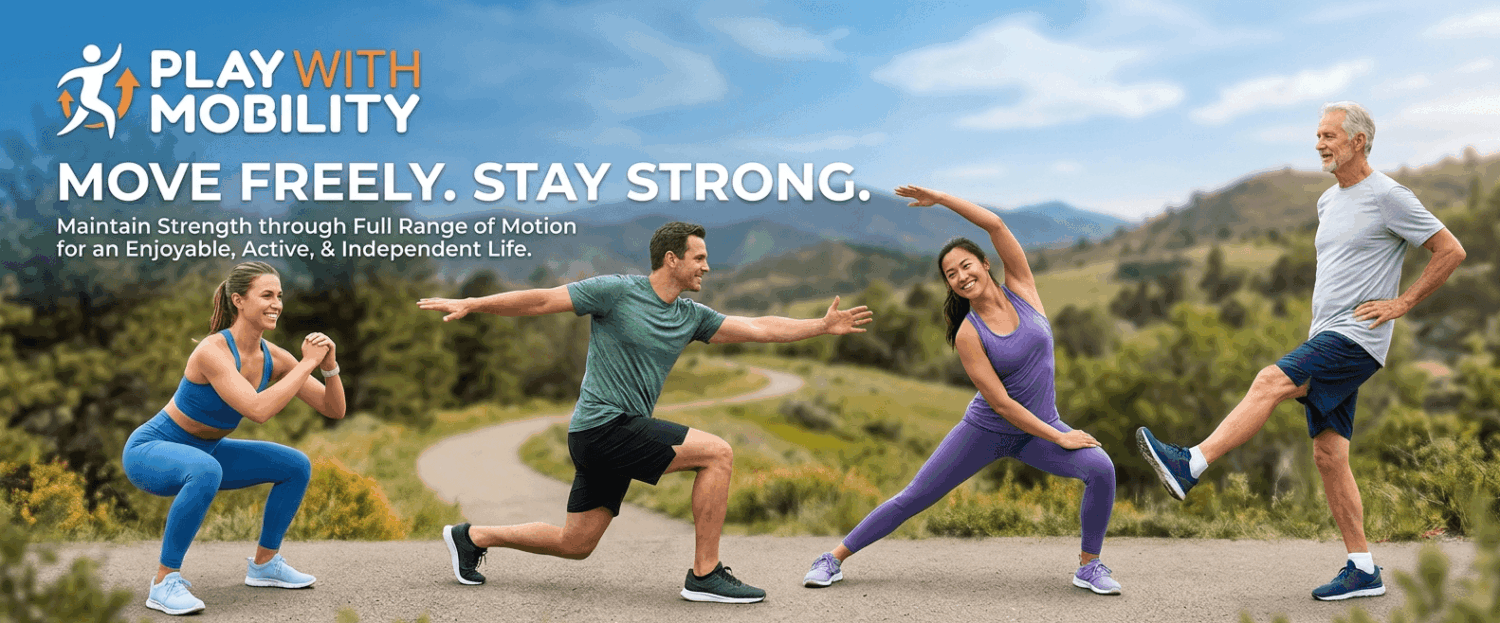
Improving squat depth is a big goal for many people in fitness. Whether I am trying to boost strength, tackle nagging aches, or just move more freely day to day, better squat depth unlocks real progress. Stiff hips, tight ankles, or achy knees can hold me back, which is why joint mobility is so important. I’ve put together a practical joint mobility program that targets each key area, making squats smoother and a lot more comfortable.
Why Mobility Matters For Squat Depth
Mobility is my ability to move joints through their full range of motion with ease and control. For squatting deep, my hips, ankles, knees, and lower back have to work together smoothly. Lacking mobility in even one of these areas can cause me to lean forward, lose balance, or even avoid deep squatting altogether. Improving mobility does not mean becoming super flexible. It means I can move efficiently and with less discomfort.
When working on squat depth, even small gains in joint mobility bring visible results. I notice my hips don’t pinch as much, my knees track better, and my heels stay on the ground. I’ve found this not only helps performance but also reduces the chance of injury, which is critical for anyone looking to build a sustainable fitness foundation. Studies, such as those in the Journal of Strength and Conditioning Research, point out that better joint mobility supports safer and more effective squatting, especially for adults of all ages. This super detailed research backs up what I’ve experienced firsthand: prioritizing mobility simply works.
Key Areas To Target For Deep Squats
I focus my mobility work on the main players in the squat. Here’s a quick breakdown:
- Hips: Tight hips make it tough to get low or keep my knees out. Opening them up with targeted mobility drills makes squatting feel smoother and way more natural.
- Ankles: Stiff ankles usually cause my heels to lift or my knees to drop inward. When my ankles move better, my feet stay flat and my knees point in the direction they should.
- Thoracic Spine (Upper Back): A rigid upper back makes me round forward and lose good squat form, which can make those reps less effective and less safe.
- Knees: The knees just follow what the rest of my body is doing. If my hips or ankles are stuck, my knees often pick up extra stress and end up feeling sore.
Getting these areas working smoothly is super important if my goal is to get comfortable, controlled, and confident in my squat depth.
A Beginner’s Mobility Program For Better Squats
Jumpstarting mobility doesn’t need to be complicated. Here’s a simple and focused routine I use to warm up before leg workouts or on recovery days. It helps prep each joint, step up flexibility, and improve strength throughout the squat movement.
- 90/90 Hip Rotations: I sit on the floor with one leg in front, bent at 90 degrees, and the other behind me, also at 90 degrees. I gently rotate side to side, moving between both hips. This drill wakes up my deep hip muscles and boosts rotational flexibility, setting me up for deeper squats.
- World’s Greatest Stretch: Starting in a lunge, I bring my elbow down toward my instep, hold for about two seconds, and then reach my arm upward to open my chest. I repeat this on both sides. This stretch targets the hips, ankles, and upper back all at once in a smooth flow. It truly gives a boost to my squat prep.
- Ankle Rocks: With one foot flat, I gently rock my knee over my toes while keeping my heel down. I feel the stretch deep in my ankle and calf, which is the secret to keeping my feet flat in the squat.
- Deep Squat Hold: Using a light kettlebell or grabbing onto something sturdy for balance, I sit into my lowest squat and gently shift side to side. This lets my body experience the end range and helps each joint get used to deeper positions.
- Cat-Cow plus T-Spine Reach: On hands and knees, I alternate arching and rounding my back. Then, I add a reach by threading one hand under my body, which really helps out my upper back and keeps my chest up when I squat.
I like to move through each of these for about 30-45 seconds apiece. Keeping the stretches active wakes up my muscles and preps my whole lower body, so when I go to squat, everything fires better.
For extra progress, I make sure to focus on slow, deep breaths during each drill. This not only relaxes tight areas but also supports good movement patterns, both during warm-ups and in daily life. Over time, adding a few more seconds to each stretch as I get comfortable can keep things moving forward.
Common Roadblocks (And Simple Fixes)
Improving mobility isn’t always quick, and there will definitely be up-and-down days. Sometimes a joint just refuses to open up no matter what. Here are some of the most common hurdles I’ve faced and my approach to pushing past them:
- Painful knees during deep squats: First, I check my form. If discomfort persists, I double down on ankle and hip drills. Knee pain is often my body’s way of telling me something else is stuck.
- Heels rising off the ground: This usually points to limited ankle movement. To fix it, I routinely do ankle rocks and calf stretches before any squatting and prefer training barefoot or in flexible shoes.
- Butt “winks” (lower back rounding at the bottom): This is often a hip issue. I go a bit slower on deep squat holds, spend added time on hip rotations, and focus hard on keeping my core engaged throughout.
- Stubborn tightness: Instead of pushing longer, I put more effort into quality of movement, really paying attention to breathing and relaxing in the “sticky” places, pausing as needed.
Tracking my progress by jotting notes or snapping quick videos helps me spot patterns and celebrate those small wins, which keeps me motivated. And I always listen to my body, knowing progress is rarely perfectly steady.
Mobility Tools That Help
Some days, using extra equipment gives my mobility an extra boost. Here are a few tools I always keep handy:
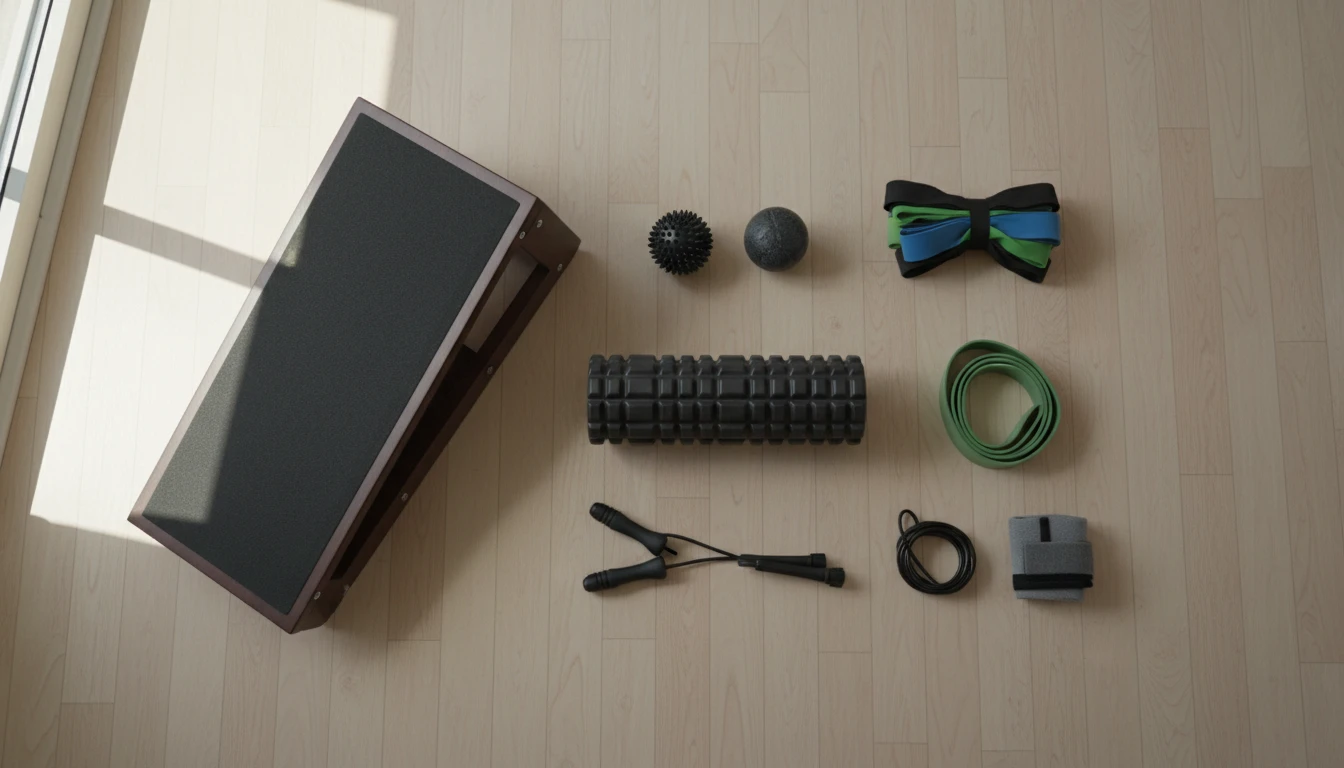
- Foam roller: Rolling my calves, quads, and glutes before stretching helps loosen up stubborn areas.
- Resistance bands: Bands add gentle resistance, making it easier to target sticky hips and ankles or go a bit deeper in stretches without strain.
- Slant board or weight plate: Elevating my heels even a little bit during squat holds takes pressure off stiff ankles and lets me work on that deep position in a safe way.
These tools aren’t required, but they make it easy to get more out of every drill, especially if I am working around an old injury or just feeling stiff from a long day.
For those looking for next-level cool upgrades to their gym, consider a small massage gun for stubborn knots or a mobility ball for hip-specific release work. Mixing up these tools over time not only keeps my routine interesting but helps me tackle tough spots from different angles.
Real-Life Applications: Everyday Improvement
Improving squat depth doesn’t just impact the gym. Picking up groceries from the floor, taking the stairs, or playing with kids and pets all feel smoother when my hips and ankles work better. After just a month of focusing on mobility, I noticed everyday activities felt lighter and painfree.
My own experience matches what I’ve heard from others: less lower back stiffness, better balance on uneven ground, and more energy during physical work. Friends and clients who tried this mobility plan have felt more comfortable during workouts. The bonus? Fewer injuries, even outside the gym. Over time, making mobility a regular habit does more than help lift heavier—it makes day-to-day life a whole lot easier and more enjoyable.
Improved squat depth also supports athletic hobbies like hiking, basketball, and running by allowing a stronger, more stable foundation. Active folks from all walks of life, not just lifters, can get a lot out of better mobility.
Frequently Asked Questions
How often should I do this mobility routine?
Most people see progress with three to four sessions per week, though I get great results by adding a few quick drills on days when I’m sitting a lot or just feeling stiff.
How long should I hold each stretch?
I stick to around 30-45 seconds for each drill, staying active in the stretch rather than holding still. This keeps my muscles engaged and ready for movement.
When should I do mobility work?
Either before or after squatting. I’ve found the biggest benefits come from doing these moves as a warmup, but cooling down this way works great for recovery, too.
Can mobility routines help with knee or back pain?
Improving mobility can ease up aches by reducing joint stress. That said, anyone experiencing sharp or persistent pain should always check in with a healthcare provider before starting any new program.
Bottom Line
Working on mobility for better squat depth is a practical choice that pays off both in and out of the gym. I’ve seen for myself how purposeful mobility routines make lifting, cardio, and daily life easier. If you’ve struggled to get lower in squats or want to keep your joints happy for active living, setting up a consistent mobility plan could be just what you need.
Start simple and stick with it. Over time, even small steps lead to surprisingly big results. With a little patience and smart effort, deeper squats and better movement are within reach. The impact goes beyond gym numbers—it’s about moving better, feeling good, and staying capable for everything life throws your way.